
Reviewed · RIA FORMOSA LAGOON CRUISES
Faro: Eco-Friendly Ria Formosa Bird Watching in Solar Boat
That orange-green wilderness in Faro moves with the tide.
This eco-friendly birding trip in the Ria Formosa is built for close viewing: you cruise saltwater canals where birds feed, then get guided help spotting nests and hunting behavior in the National Park. It also has a practical twist, since you’re on a solar-powered vessel that’s designed to disturb wildlife less.
Two things I really like about it: first, the format is calm and focused, not a long bus-and-boat shuffle. Second, the guides lean into the details you actually care about, from how the salt-marsh ecosystem works to identifying what you’re seeing in the moment (and yes, you’ll hear tips in multiple languages). On boats like this, the difference is how the guide positions you.
One consideration: the tour isn’t suitable for wheelchair users, and you should be ready for a cancellation if weather turns poor.
In This Review
- Key points to know before you go
- Faro’s Ria Formosa: why this bird-watching area is so good
- Getting to Rua da Porta Nova and settling in for a calm ride
- Parque Natural da Ria Formosa: canals, tides, and what you’ll actually look for
- Solar-powered boat: how eco design changes your birding experience
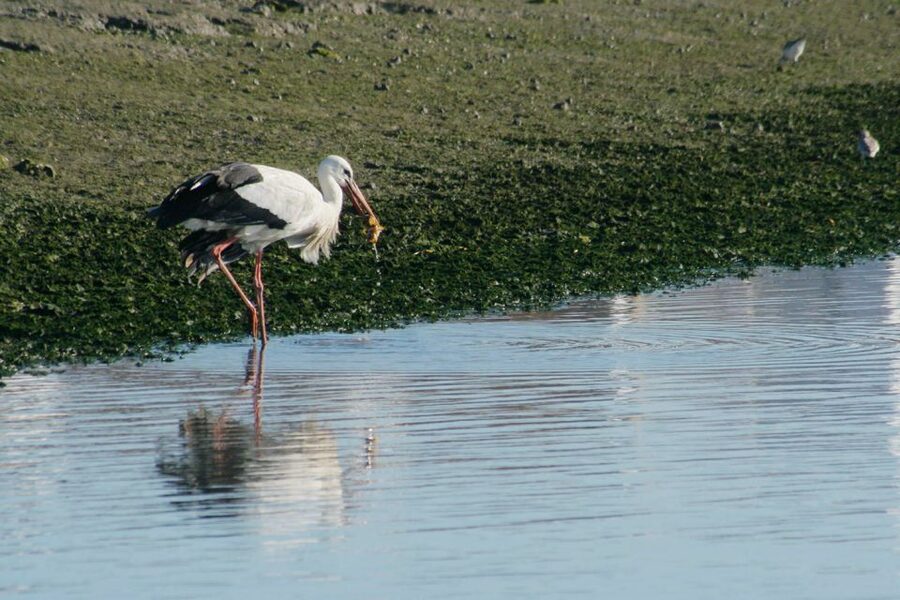
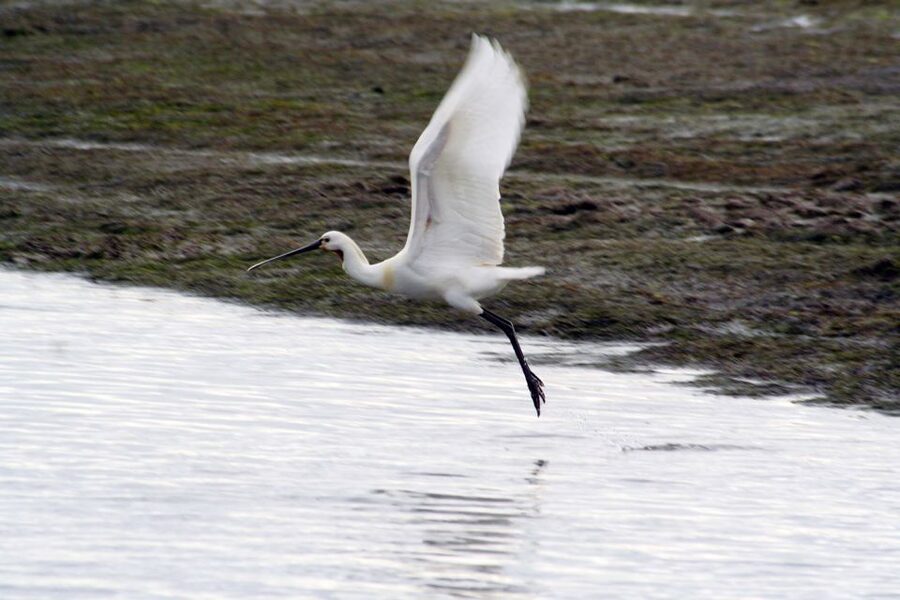
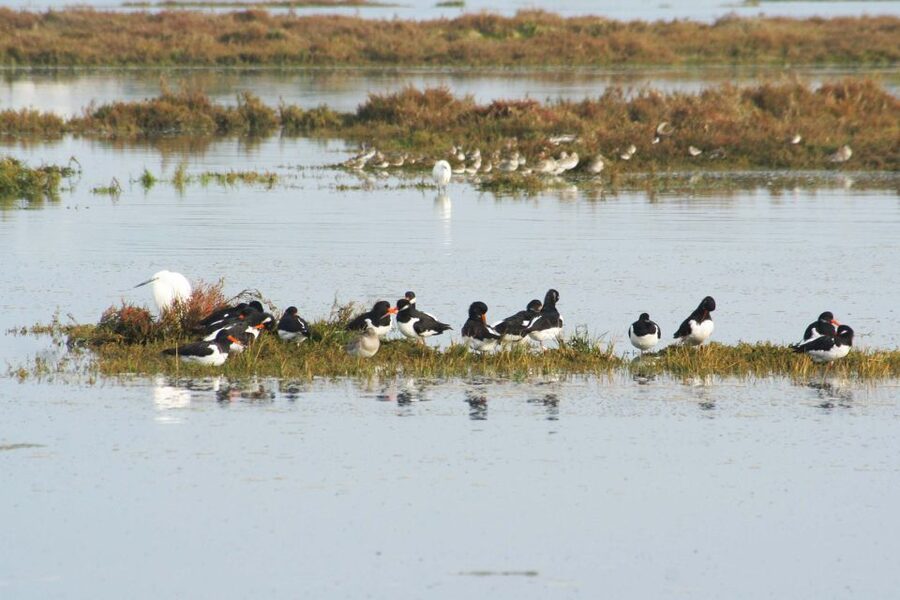
- What you might see: species highlights and hunting moments
- Guides on board: what makes the instruction click
- Price and value: what $47 buys you in real terms
- What to bring (and how to make the most of your 2 hours)
- Weather, comfort, and who this trip suits best
- Should you book this Faro solar-boat bird-watching tour?
- FAQ
- How long is the Faro eco-friendly bird watching tour?
- Where does the tour start and what is the meeting point?
- What is included in the price?
- Do I need to bring food or drinks?
- What languages is the live guide available in?
- What size is the group?
- Is the tour wheelchair accessible?
- What happens if the weather is bad?
Key points to know before you go
- Solar boat, low noise: quieter movement helps you get better viewing without blasting the habitat
- Saltwater canals and nests: you’re not just driving past wildlife, you’re searching the right places
- Tide-driven scenery: Ria Formosa shifts a lot within hours, so timing changes what’s visible
- Small group max 12: you’ll have an easier time getting stable views through binoculars
- Binoculars plus ID help: you’re given tools to make identifications, not just scenery
- Bring snacks: food and drinks are not included, so pack water and something small to eat
Faro’s Ria Formosa: why this bird-watching area is so good
If you’ve ever watched birds at the coast and thought, They’re everywhere, but also impossible to track, Ria Formosa is the answer. It’s a protected wetland where feeding, nesting, and migration all collide in one place. And the big reason the habitat feels different every few hours is the water itself.
The sea level here rises and falls about 3 meters every 6 hours, which changes the edges of channels and feeding zones. That means the birds you see at the start may not be in the same spots by later. It also means the saltwater canals can look more like a maze at one tide and more open waterways at another. If you like birding with variety rather than repetition, that tide rhythm is a big win.
Another thing I appreciate is that Ria Formosa isn’t just “pretty nature.” It’s a functioning ecosystem where local people develop fishing and shellfish production using a self-regenerating environment. That balance matters for birds because it supports the food web they rely on year after year.
And the tour’s focus fits the place. You’re guided to watch birds feeding, including the drama of predatory birds hunting, plus quieter moments when the only sounds are birds calling and interacting.
See more Ria Formosa lagoon cruises and island-hopping trips across Algarve.
Getting to Rua da Porta Nova and settling in for a calm ride
The meeting point is simple but easy to miss if you arrive late. Meet at the kiosk on Rua da Porta Nova, 8000-250 Faro (the location is listed for you in your booking info). This matters because Faro has lots of tourist traffic near popular waterfront areas, and if you show up with no buffer you’ll spend time searching instead of scanning the water.
A practical tip: come early enough to park and walk if needed. In this area, parking can be tricky, so I’d rather you have time to get oriented than rush straight onto the boat.
Once you’re aboard, you get a combination of skipper operation and live guiding. The guide provides local fauna and flora information, and you’re not left staring at the water hoping you guess the species correctly. The group is limited to 12 participants, which helps in two ways: you don’t crowd each other for views, and the boat can move more “bird-first,” which is what you want.
The boat ride includes time on the water plus a guided segment in the park area, totaling 2 hours.
Parque Natural da Ria Formosa: canals, tides, and what you’ll actually look for
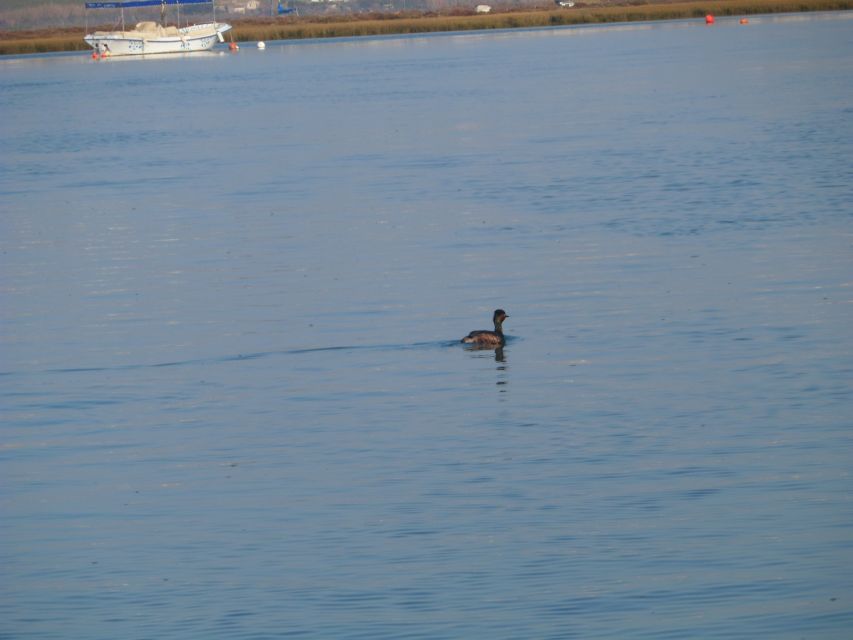
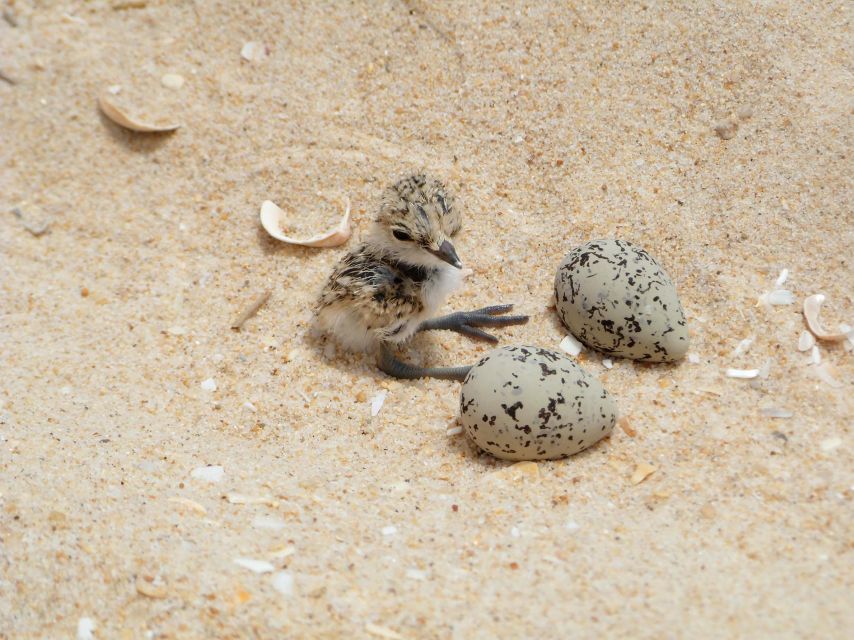
Inside the natural park, the goal is to help you read the habitat. You’ll explore saltwater canals where birds feed, which is where birding becomes fun instead of frustrating. When birds are hunting or working a feeding zone, they’re predictable in behavior even if the species is tough to ID.
Here’s what I think is most valuable about the way the tour is structured:
- You’re guided to watch birds that nest in Ria Formosa National Park, so you’re not only chasing movement. You learn what nesting implies for timing and location.
- You’re encouraged to look for predatory bird hunting. Raptors and other hunters change the whole “tempo” of a wetland. When one bird is hunting, other birds often react, so your guide can point out that whole chain of behavior.
- You get time in a maze of canals where the soundscape is mostly birds. That quiet is not just pleasant. It helps you notice calls and interactions that you’d miss on a louder outing.
If the tide is right and the birds are active, you can get close views without feeling like you’re pushing into their space. The solar boat setup helps here, and the guide’s positioning matters even more.
Solar-powered boat: how eco design changes your birding experience
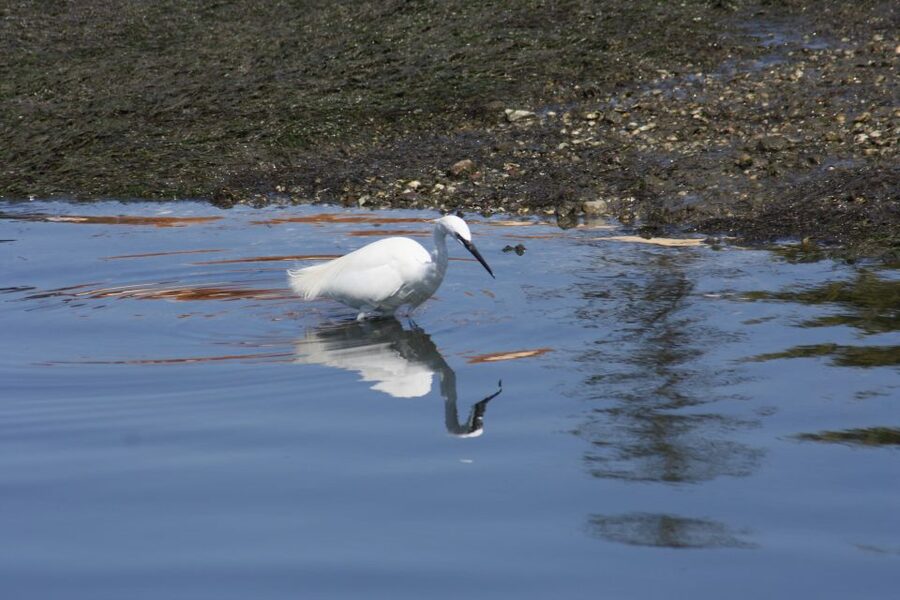
The solar vessel isn’t just a feel-good headline. In a wetland, quiet is part of the experience design.
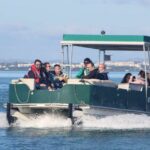
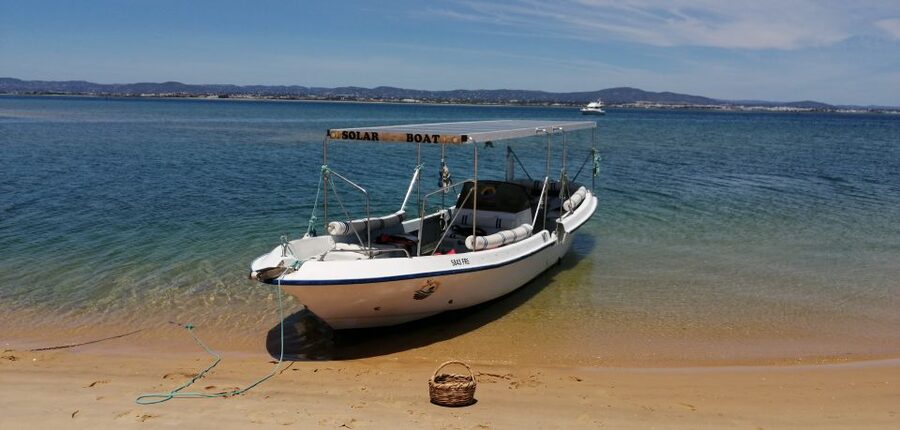
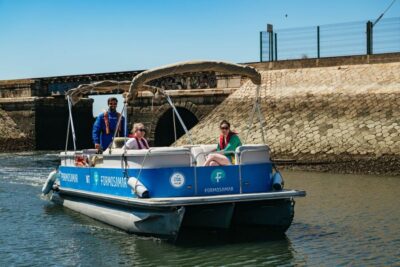
The boat’s solar power keeps the ride quiet and smooth, and that quiet tends to reduce the “startle factor” birds can show with engines. In birding, fewer disturbances can mean less flight, less abrupt relocation, and more steady watching time. You end up with a better chance to see feeding routines and hunting behavior instead of only a quick fly-by.
There’s also shade on board, which may not sound like “birding equipment,” but it matters in Faro’s sun. People on this tour often mention the shade and comfort, and I agree: it makes binocular use easier because you’re not cooking while trying to focus on distant nests.
And because this is a small boat experience, your skipper and guide can focus on where birds are rather than where the crowd is.
What you might see: species highlights and hunting moments
Bird watching is always a game of probability, not a vending machine. What the tour does well is increase your odds by searching the right habitat and adjusting with what’s active.
From typical sightings in the season and the tour’s focus, you can reasonably expect a variety like:
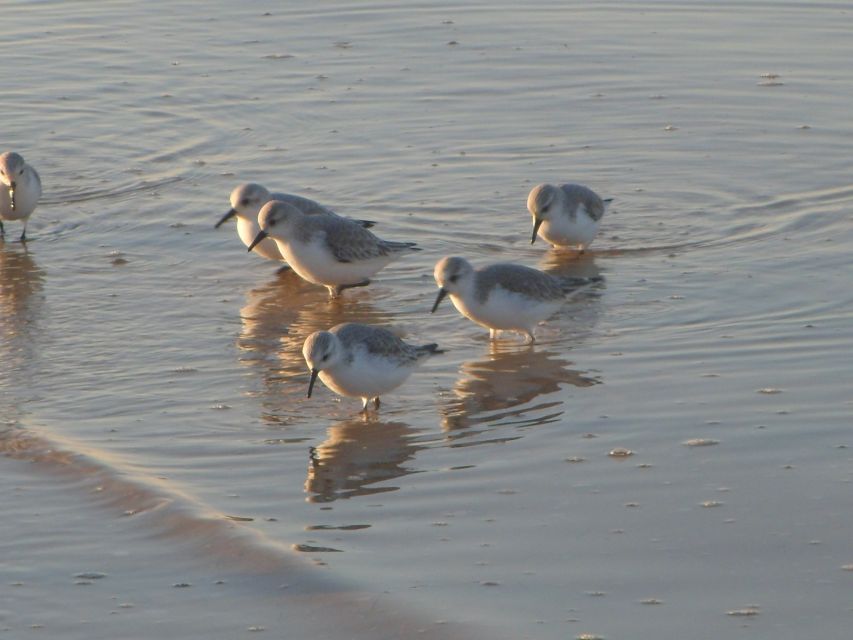
- shorebirds and waders
- species tied to marsh edges and canal margins
- raptors that hunt fish or small prey in the waterways
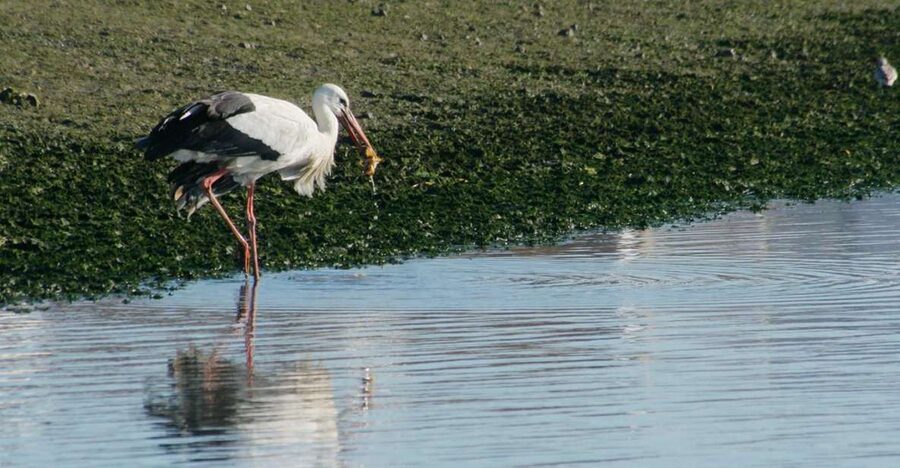
A few standout sightings that match the tour’s style include close views of an osprey hunting and then resting close by, plus moments where herons or other fish-eaters are actively working. The key is that the guides don’t treat the boat like a sightseeing platform. They’re constantly scanning, then positioning for view angles that help you identify birds quickly.
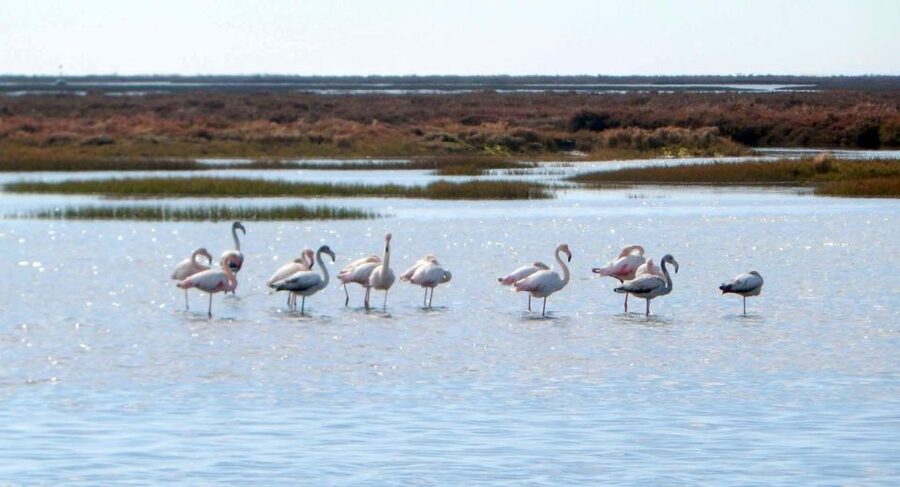
One more heads-up if you’re chasing a specific pink bird: flamingos can show up, but they may not be the easiest target for every canal-style route because they tend to prefer certain habitat types. If flamingos are your must-see, ask your guide what they’re seeing that day and what habitat is currently holding them.
Also, don’t ignore the small birds and waders. The “best” birding often comes from spotting a pattern: a cluster of nests, a feed line, or a predatory bird’s silhouette before you can even name it.
See more boat trips and cruises casting off around Algarve.
Guides on board: what makes the instruction click
This is where the tour earns its high marks. The best experiences aren’t only about wildlife. They’re about how quickly the guide helps you understand what you’re looking at.
You’ll get live guiding in Portuguese, English, and Spanish, and that language mix matters if you’re traveling with someone who wants a clearer explanation rather than guessing from gestures. The guide also uses tools like binoculars and ID reference help so you can connect field marks to names.
I’m especially drawn to the way guides here work as birdspotters and explainers at the same time. Guides like Sebastian, Andre, and Iris are noted for scanning tirelessly and helping people learn while they watch. That combo is exactly what you want on a wetland trip, because many species look similar until you catch the right posture, bill shape, or flight behavior.
The tone is also relaxed. There’s room for questions, and the vibe stays friendly rather than stiff.
Price and value: what $47 buys you in real terms
At $47 per person for a 2-hour eco-friendly outing, the value comes from a few practical pieces working together:
You’re paying for:
- a guided birding experience focused on real habitat
- binoculars included
- a skipper and guide who operate the boat while scanning for wildlife
- a small group size (max 12), which usually means less jostling for views
- a solar boat, which helps you observe with less noise and disturbance
If all you wanted was a boat ride, you could find cheaper options. But if you want the chance to see more, identify more, and learn more while you’re watching, this price makes sense for Faro.
Food and drinks are not included, so that’s the one cost you’ll need to plan for. Bring water and snacks and you’ll keep the whole experience smooth instead of cutting it short because you’re hungry.
What to bring (and how to make the most of your 2 hours)
This is a wetland outing, so pack like you’re going out to walk and watch, not like you’re sitting in a showroom.
Bring:
- food, snacks, and water
- comfortable clothes
- sunscreen
If you tend to get cold on boats, bring a light layer. Even in warm Algarve weather, wind over water can cool you quickly once you’re moving slowly and watching for long moments.
Also, bring a pair of your own binoculars if you use them, but it’s not required because binoculars are included. If you do borrow the provided binoculars, take a minute early to adjust them. It makes everything easier once the guide starts pointing out distant birds.
Timing note: because the tide swings are significant, the best results often come when the birds are active. Your departure time will affect what you see, but the guide can still help you find feeding and nesting activity within the day’s conditions.
Weather, comfort, and who this trip suits best
Ria Formosa birding depends on conditions. If weather is unfavorable, the tour can be canceled. That’s not a surprise for coastal wetlands, but it does mean you should build some flexibility into your schedule.
As for comfort and fit:
- This tour is not suitable for wheelchair users.
- It works well for bird lovers who enjoy quiet observation and want a guided path through a complex habitat.
- It’s also a good choice if you like learning without sitting in a classroom. The guidance happens in the moment, while you’re watching.
If you’re traveling with kids, it can still work if they’re comfortable staying focused for a couple of hours. The quiet nature of the solar boat and the bird calls can make it feel less like a tour and more like a shared nature experience.
Should you book this Faro solar-boat bird-watching tour?
Book it if you want:
- a quiet, solar-powered boat experience that’s designed around wildlife viewing
- guided spotting and identification support
- a small group outing where the boat can reposition for birds
Skip it if:
- you need wheelchair accessibility
- you hate waiting for wildlife and want nonstop action
- you don’t want to pack snacks and water
If you’re a birdwatcher, or you’re just starting and want a smarter way to learn the wetland, this is one of the most practical ways to spend a couple of hours in Faro.
FAQ
How long is the Faro eco-friendly bird watching tour?
The tour lasts 2 hours total.
Where does the tour start and what is the meeting point?
The meeting point is at Rua da Porta Nova, 8000-250 Faro (the kiosk with all the bird advertising).
What is included in the price?
Binoculars are included, along with a guide/host who provides information about local fauna and flora, plus an experienced skipper and local guide on board.
Do I need to bring food or drinks?
Yes. Food and drinks on board are not included, so you should bring snacks and water.
What languages is the live guide available in?
The live tour guide offers Portuguese, English, and Spanish.
What size is the group?
The group is kept small, limited to 12 participants.
Is the tour wheelchair accessible?
No, it’s not suitable for wheelchair users.
What happens if the weather is bad?
The tour can be canceled due to unfavorable weather conditions, and you’ll be notified in advance if that happens.
More Boat Trips & Sea Cruises in Algarve
More Tour Reviews in Algarve
More Ria Formosa Lagoon Trips in Algarve
Not quite it? Here is more to do along the Algarve coast that we have reviewed





Ria Formosa Lagoon Cruises, compared.
 ★ 5.04 Stops | 3 Islands & Ria Formosa Natural Park – From FaroFrom $483,080 reviews
 ★ 4.8Faro: Ria Formosa Faro Islands Boat TourFrom $472,588 reviews
 ★ 5.0Ria Formosa – Boat trip to the 3 Islands: Armona | Culatra Island | LighthouseFrom $481,872 reviews
 ★ 5.0Ria Formosa Natural Park and Islands Boat Cruise from FaroFrom $511,314 reviews
 ★ 4.6From Faro: 4 Stops, 3 Islands in Ria Formosa Catamaran TourFrom $471,129 reviews
 ★ 5.02 Stop | 2 Islands & Ria Formosa Natural Park – From FaroFrom $421,045 reviews
 ★ 4.8From Olhão: Ria Formosa 3-Island Full-Day TourFrom $45993 reviews
 ★ 4.6Faro: Deserta Island and Farol Island Catamaran Boat TripFrom $47955 reviews
Browse the lists this tour appears in