
Reviewed · GUIDED
Loulé: St. Barbara Art Collection w/Guided Salt Mine Tour
Salt mines and saints, under Loulé.
This tour takes you 230 meters down into the Mina de Sal-Gema de Loulé, then pairs underground art with a guided mine walk. You get two ways of seeing the same place: first through Saint Barbara art and music at street-level pace, then through the rock-salt chambers with a guide who explains what you’re standing on.
I especially like the mix of art and geology. The Saint Barbara exhibition is slow enough to wander and take it in, and the mine part gives you a clear sense of scale—wide chambers, ancient formations, and the practical story of salt mining. I also like the contemporary twist: the 12 paintings by Klaus Zylla, with bold shapes and warm colors, keep the saint story from feeling stuck in the past.
One thing to consider: the descent can feel tight. You go down in a small cage and the experience isn’t a good match for claustrophobia, and you’ll want closed-toe shoes and patience if you don’t like waiting around.
In This Review
- Key things I’d pencil into your plan
- Getting to Mina de Sal-Gema de Loulé (and what kicks things off)
- The 230-meter descent: helmets, flashlight, and a tight cage moment
- Saint Barbara underground: two art exhibitions at your own pace
- Klaus Zylla’s Saint Barbara paintings and the mood shift you’ll feel
- The 1.3-kilometer mine walk: wide chambers, ancient salt, and clear explanations
- Price and value: why $35 can feel fair in the Algarve
- Who this suits best (and who should think twice)
- Practical tips so you enjoy it more
- Should you book the Loulé Saint Barbara art + salt mine tour?
- FAQ
- FAQ
- Where is the meeting point for this tour?
- How long does the tour take?
- How much does it cost?
- What does the tour include?
- Are food and drinks included?
- What languages are the tours offered in?
- How far do you go underground?
- Is it suitable for young children, wheelchair users, or people with claustrophobia?
Key things I’d pencil into your plan
- 230-meter descent into the Mina de Sal-Gema de Loulé with helmet, flashlight, and reflective vest
- Two Saint Barbara art stops you can take at your own pace, including works that date back hundreds of years
- Klaus Zylla’s 12 paintings offering a modern, bold look at Saint Barbara’s life
- Guided 1.3-kilometer mine walk on real rock-salt formations and mining history
- Ancient geology you can measure by your own steps, including formations said to be over 230 million years old
Getting to Mina de Sal-Gema de Loulé (and what kicks things off)
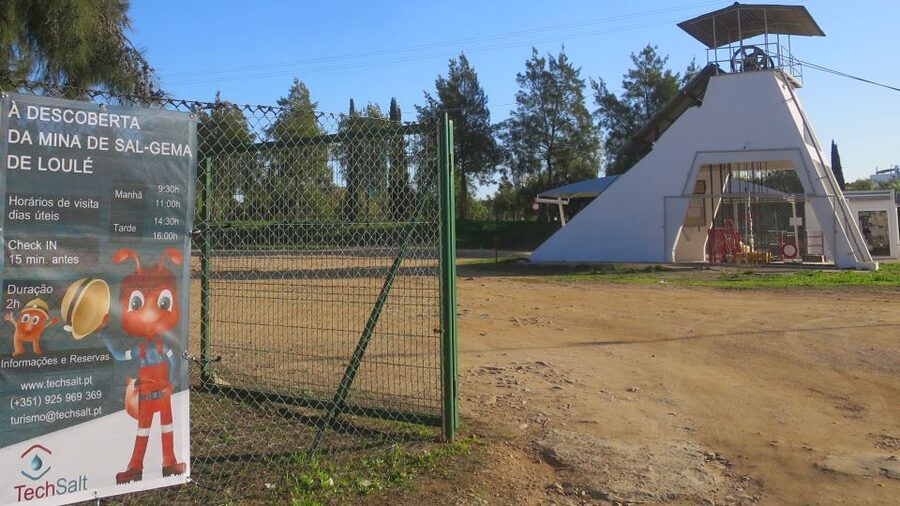
Start at the Rocksalt Mine Tour: Mina de Sal-Gema de Loulé. Plan on making your own way there—there’s no hotel pickup, so build it into your Algarve logistics. The payoff is that the experience runs as a tight loop: art underground, then safety gear, then a guided walk.
If you’re doing this on a rainy day, you’ll be glad you’re not relying on outdoor views. One of the nicest practical parts of this tour is that the “best weather plan” is just… not needed. Once you’re underground, you’re in controlled lighting and a steady temperature, so the day stays comfortable.
Also, come with the right mindset. This is not a quick photo stop. It’s more like a guided lesson plus a self-paced gallery, and you’ll get the most if you allow time to slow down for the art.
See more guided days out our team has joined in Algarve.
The 230-meter descent: helmets, flashlight, and a tight cage moment
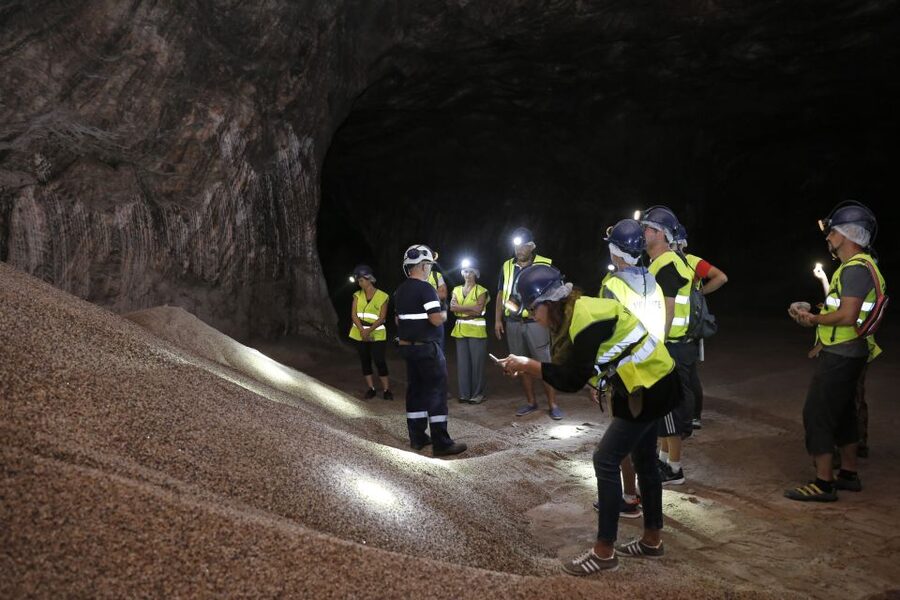
Before the art portion, you descend about 230 meters below the city. You’ll be given safety equipment: a helmet, flashlight, and reflective vest. That matters for two reasons. First, it keeps you comfortable and visible in an underground environment. Second, it turns the whole place from “tourist site” into a working mine setting—right away, you feel like you’re in the real rhythm of the underground.
Here’s the practical heads-up: the ride down happens in a small cage, and one review specifically noted it can be a challenge if you’re sensitive to tight spaces, with around seven people in the cage at once. There’s nothing theatrical about it, just the basic truth of confined mining access.
If you’re okay with enclosed spaces but don’t love them, keep your breathing calm and focus on the fact that the hard part is brief. Once you’re down, the mine passages are described as roomy and well lit, so you’re not trapped in a dark corridor.
What to wear: closed-toe shoes and comfortable clothes. Closed shoes are your non-negotiable here. You’ll be walking on an uneven underground surface, and you’ll want grip.
Saint Barbara underground: two art exhibitions at your own pace
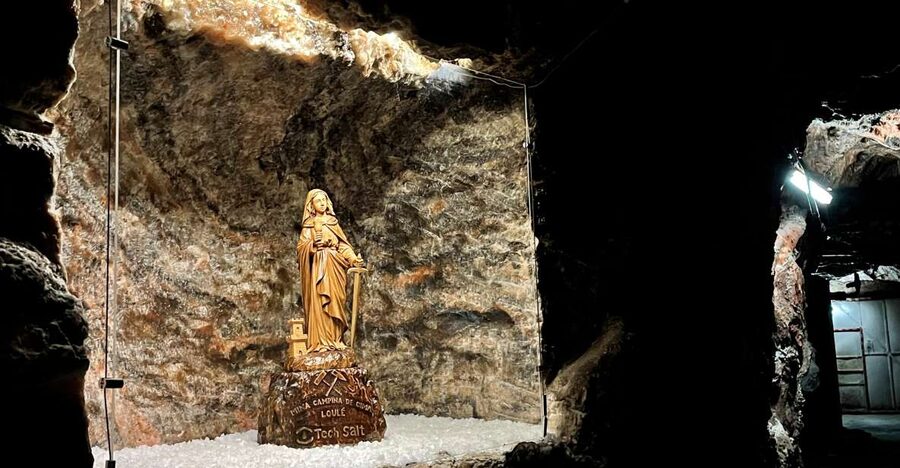
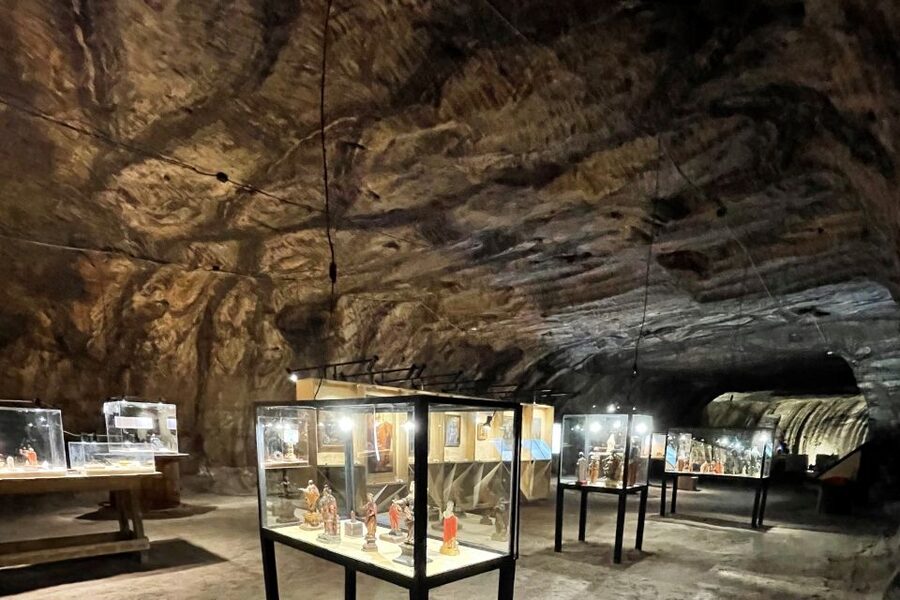
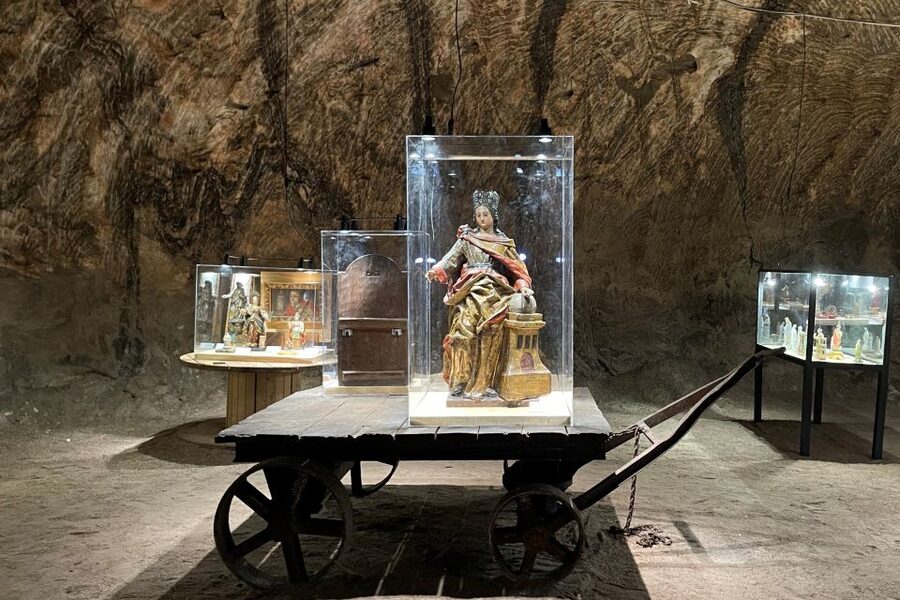
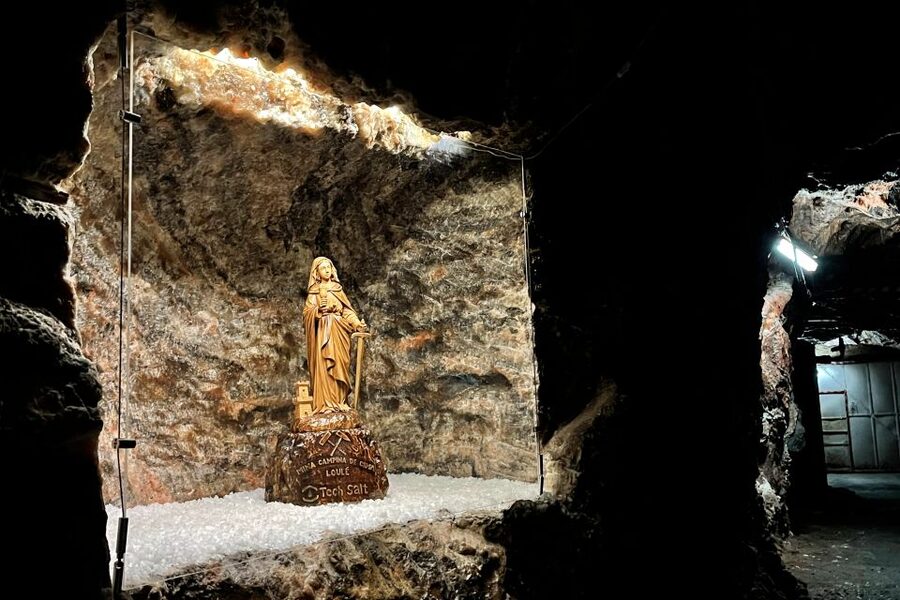
The main magic begins once you step into the underground exhibition dedicated to Saint Barbara, the patron saint of miners. This part is set up like a gallery you can actually take your time in. You’ll see artwork that traces her life and legacy, with some pieces dating back hundreds of years.
This pacing is one reason the tour works so well even if you don’t usually care about religious art. You’re not forced to sprint through. You can look at details, read the visual story, and let the atmosphere do its job. There’s also music—Saint Barbara miner songs—so it feels less like a museum and more like a living tribute to the people who worked underground.
The other big reason I like this segment: it’s a double exhibition. After the older works, there’s a contemporary companion show featuring 12 paintings by Klaus Zylla. That shift makes the saint story feel cross-generational. You’re looking at the same figure, but through a modern lens.
One small detail that can make the experience calmer: if your group is smaller at the art stage, you may get a separate guide for that portion. In practice, that means less crowding and more room to ask questions.
Klaus Zylla’s Saint Barbara paintings and the mood shift you’ll feel
The Klaus Zylla exhibit is the part where the tour stops being purely explanatory and starts being emotional. The paintings use warm colors and bold shapes, with motifs that can feel provocative. If you like modern art that doesn’t apologize for its style, this section earns its place.
The visual style does something useful for most people: it breaks the expectation that “saint story” equals old-school and muted. Instead, you get an energetic retelling—one that makes you notice composition, gesture, and contrast.
And because you’re underground while viewing art, the contrast lands harder. The mine isn’t a neutral backdrop. You’re surrounded by the materials the saint is associated with—salt, rock, and the long history of mining life—so the art and the environment start to talk to each other.
A nice touch is that the tour lets you move at your own pace during the exhibition areas. You’re not pushed along like you’re inside a conveyor belt. That’s a big deal when you’re trying to actually see and not just collect stamps.
The 1.3-kilometer mine walk: wide chambers, ancient salt, and clear explanations
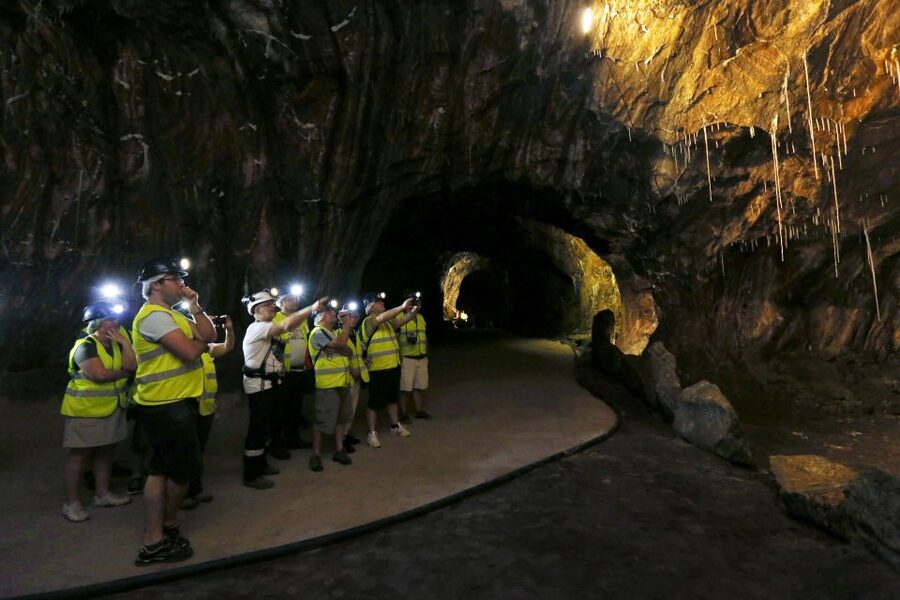
After the art exhibit, you switch gears. You put on the full safety setup (helmet, reflective vest, flashlight) and join a guided walk through the rock-salt mine.
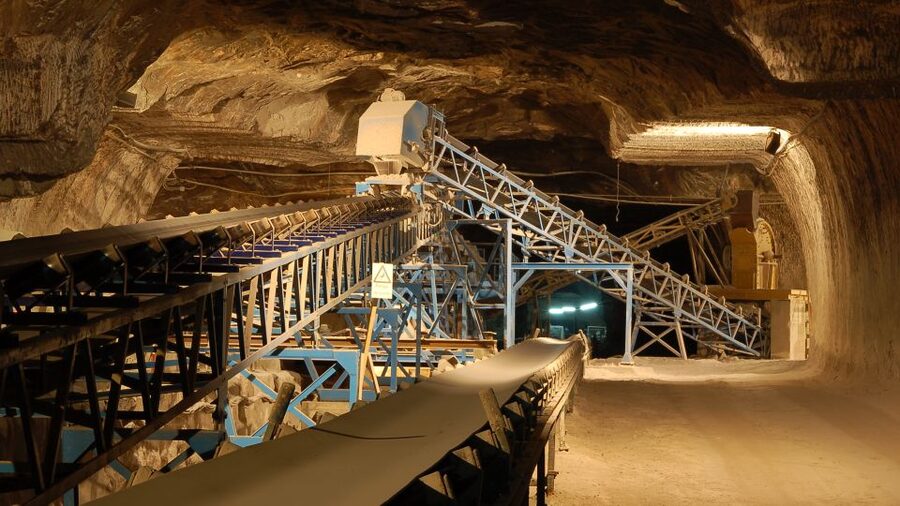
The walking segment is about 1.3 kilometers, led by a live guide. During this part, the story becomes practical: you learn how the regional geology formed, how salt mining evolved, and why this mine mattered economically. You’re also guided through what’s essentially the “wow” factor of scale: vast chambers and striking rock formations.
One review called out how spacious and well lit the underground corridors feel. That matters because some mines feel like you’re crawling through tight spaces. Here, the atmosphere is more like walking through a large, engineered underground world—with light where you need it and room to look around.
The mine formations are described as very old, with some cited as dating back over 230 million years. Even if you don’t care about exact dates, the guide’s job is to translate time into something you can understand. You start connecting the visible rock layers and shapes to a larger geological timeline.
The mine walk is where you’ll also pick up the “salt everywhere” story. You don’t just learn that salt was mined; you learn why salt matters globally and how a regional mining operation ties into broader human needs.

Price and value: why $35 can feel fair in the Algarve
At $35 per person for a 2.5 to 3 hour experience, you’re paying for three things at once: access to an underground site, an art exhibition admission, and a guided mine tour with the safety gear. That’s a more complete package than a simple museum ticket.
You also get value through how the time is structured. The tour isn’t only walking. You get a self-paced art portion where you can slow down, then you get guided instruction inside the mine. When a tour mixes “free time to look” with “guided time to learn,” the experience usually feels longer and more satisfying than the raw duration suggests.
Food and drinks are not included, so plan a meal before or after. But the lack of included food doesn’t ruin the value, because the core product here is access plus interpretation—what’s underground and what it means.
If you’re the type who likes your sightseeing to have a reason, this is the kind of tour that justifies its price by giving you both visuals and explanations, not just one or the other.
Who this suits best (and who should think twice)
This tour fits best if you enjoy mixing art with science. You’ll like it if you’re curious about Saint Barbara as a miners’ patron and you also want a guide to explain how the mine works and why salt matters.
It’s also a good fit for people who want something indoor and structured that still leaves breathing room. The art portion is your chance to wander, and the mine portion is your chance to ask questions while you walk.
It’s not suitable for:
- Children under 6
- People with claustrophobia
- Wheelchair users
If you’re near those limits, don’t assume it’ll feel the same for everyone. The descent cage can be tight, and that alone is enough to make claustrophobia an issue for some people.
Practical tips so you enjoy it more
A few things I’d do before you go:
- Wear closed-toe shoes you trust on uneven ground.
- Bring a camera if you like photos. Underground lighting is part of the vibe, but you still want to be ready.
- Dress in comfortable clothes you don’t mind getting a little dusty or used.
- Be ready for some waiting around—one review suggested there’s room for improvement in waiting conditions and access, so bring patience if the entry area feels busy.
- If you can choose timing, consider quieter periods. One review noted a lunch-time moment for miners that made the mine feel very quiet, which you might love if you like a calmer soundscape.
One more small mindset tip: treat the art portion like a mini gallery day, not a race. If you do that, the mine walk lands better afterward because you’re already emotionally set by the saint story.
Should you book the Loulé Saint Barbara art + salt mine tour?
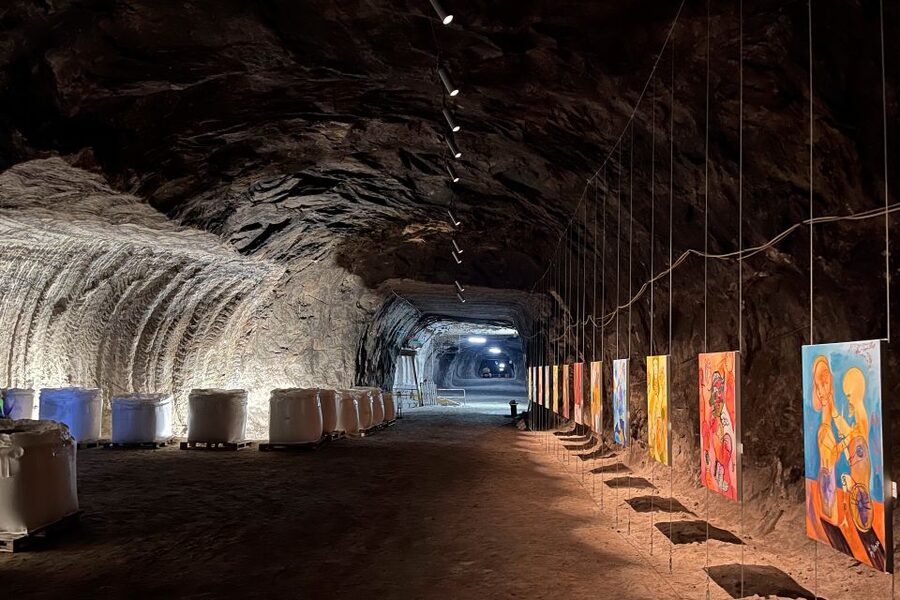
Yes—book it if you want an Algarve experience that isn’t only beaches and viewpoints. The combination of Saint Barbara art, modern paintings by Klaus Zylla, and a guided walk through real rock-salt chambers makes this more memorable than a straightforward underground tour.
Skip it (or at least think hard) if you’re sensitive to enclosed spaces. The descent happens in a tight cage, and this isn’t the kind of attraction where you can “tough it out” comfortably.
If you can handle that, you’ll probably leave with two good things: a clear sense of how salt mining shaped the region, and a different way of seeing how art can live inside a working underground world.
FAQ
FAQ
Where is the meeting point for this tour?
Meet at Rocksalt Mine Tour | Mina de Sal-Gema de Loulé.
How long does the tour take?
The experience runs about 2.5 to 3 hours.
How much does it cost?
The price is $35 per person.
What does the tour include?
It includes art exhibition entry, salt mine entry, the salt mine tour with a live guide, plus helmet, flashlight, and reflective vest.
Are food and drinks included?
No. Food and drinks are not included.
What languages are the tours offered in?
The guide provides Portuguese and English.
How far do you go underground?
You descend about 230 meters below the city.
Is it suitable for young children, wheelchair users, or people with claustrophobia?
It’s not suitable for children under 6, wheelchair users, or people with claustrophobia.
More Guided Days Out in Algarve
More Tours in Algarve
More Tour Reviews in Algarve
Not quite it? Here is more to do along the Algarve coast that we have reviewed





Guided, compared.
 ★ 4.7Benagil: Guided Kayaking Tour to the Benagil CaveFrom $283,135 reviews
 ★ 4.9Lagos: Ponta da Piedade Rock Formations Guided Boat TourFrom $202,290 reviews
 ★ 4.4Benagil: Benagil Caves and Secret Spots Guided Kayaking TourFrom $341,840 reviews
 ★ 4.8Lagos: Guided Kayak TourFrom $401,639 reviews
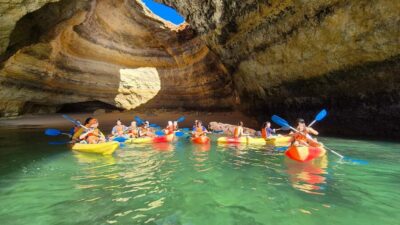 ★ 4.8Benagil: Caves, Beaches, and Secret Spots Guided Kayak TourFrom $391,474 reviews
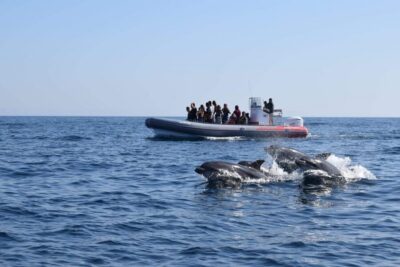 ★ 4.7From Albufeira: Benagil Caves and Dolphins Guided Boat TourFrom $351,203 reviews
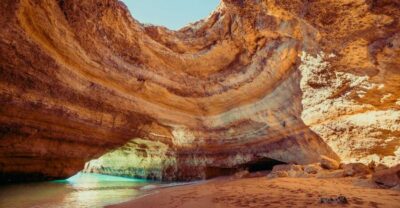 ★ 4.6Benagil: Caves, Coves & Secret Beaches Guided Kayaking TourFrom $291,125 reviews
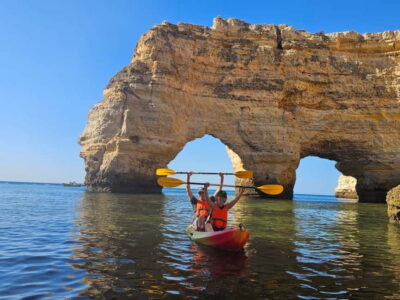 ★ 3.8Benagil Cave: Guided Kayak Tour with Caves and CliffsFrom $191,012 reviews