
Reviewed · MONCHIQUE & SILVES INLAND TRIPS
Silves: Algarvian Winery Tour and Tasting Experience
A winery visit in Silves hits different. You’ll walk through vineyards and olive groves, then taste local wine, extra virgin oil, and even verjus from the producer, all in about 1.5 hours. I especially liked the estate stroll (fruit trees, flower gardens, and a lake) and the lineup that goes beyond wine to include oils and that tangy verjus. One thing to consider: the experience is strong on tasting and estate life, so if you want ultra-technical, step-by-step winemaking detail, you may want to pair this with a more in-depth cellar-focused visit.
This is also a “small group” kind of experience, capped at 10 people, which makes it easier to ask questions while you’re sampling. The guide is English-speaking and keeps things moving at a friendly pace. The main drawback for some schedules is simple: there’s no hotel pickup or drop-off, so you’ll need to get yourself to the meeting spot.
If you’re in the Algarve and you want a real feel for how regional producers think—wine, olives, and grape juice used in a very practical way—this tour gives you that in one compact block of time.
In This Review
- Key Things I’d Put on Your Radar
- Where Silves Winery Culture Feels Like a Living Farm
- Your Walk Through the Estate: Vines, Olives, Gardens, and a Lake
- A quick pacing tip
- The Tasting Setup: What’s Included and Why It Works
- Sentidos Tato Red: The Signature Wine You’ll Want to Remember
- Practical note
- Verjus From the Producer: Tangy, Grape-Based, and Surprisingly Useful
- If you dislike sour flavors
- How Algarvian Wine and Olive Oil Come Together
- Small Group Size: Why Up to 10 People Changes the Whole Feel
- Price and Value for $78 in the Algarve
- Logistics You Should Plan For (So It Stays Relaxed)
- Who This Tour Suits Best (and Who Might Not Love It)
- Should You Book This Silves Winery and Tasting Tour?
- FAQ
- How long is the Silves Algarvian Winery Tour?
- What is included in the tasting?
- Do I need to bring a pickup or will it include hotel pickup?
- How big is the group?
- What language is the tour guide?
- Is verjus included?
- What wine is highlighted during the tour?
- Is it free to cancel?
Key Things I’d Put on Your Radar
- Vineyard-to-tasting flow: you walk the place where the wines start before you taste them
- Wine plus extra virgin olive oil: three oils are included, not just one token sample
- Verjus from the producer: the acidic grape juice tasting is a standout feature
- Sentidos Tato red as the star: you get the winery’s signature wine in the flight
- Small group pacing: up to 10 people means more room for questions and conversation
Where Silves Winery Culture Feels Like a Living Farm

Silves sits in the Algarve with a rural edge, and this winery tour plays right into that. Instead of doing a quick “stand in a room and taste” routine, you start with the setting: cultivated land, vines, and olive groves, all part of how the estate works. It’s a place you can actually look at while the guide talks.
I like that the experience doesn’t treat wine as a separate product. You’ll connect it to olives and other local growing cycles—fruit trees, flower gardens, and even a lake on site. That’s the kind of context that makes a tasting feel smarter, not just louder.
One more practical point: this visit is brief—about 1.5 hours—so it’s best for people who want a concentrated hit of local flavors rather than a long day trip.
Find more Algarve wine tastings and vineyard visits near Algarve.

Your Walk Through the Estate: Vines, Olives, Gardens, and a Lake
The tour is guided from start to finish, and the route is designed around walking the property. You’ll move through vineyards where Algarvian wine begins its journey, then shift your attention to the olive groves and other plantings. Even if you’re not a plant nerd, it helps you see why the flavors taste the way they do.
Here’s what you’ll likely notice as you go:
- Vineyards and olive groves give you a clear sense of how the estate uses land.
- Fruit trees and flower gardens add color and variety, making the whole stop feel more like a working property than a showroom.
- A lake creates a break in the scenery and a natural moment to pause and reset your senses before the tasting.
The walking part matters because it changes how you taste afterward. You’re no longer judging from the glass alone—you’re comparing what you see (and the aromas you pick up around plants) to what you get in the samples.
A quick pacing tip
If you’re the kind of person who always stops to take photos, plan for that. The route is designed for a small group and a timed tasting block, so keeping an eye on the guide’s pace will help you finish the whole experience without feeling rushed.
The Tasting Setup: What’s Included and Why It Works

This tour is built around a structured tasting that includes both wine and oils. You’ll get:
- At least 4 wines
- 3 extra virgin olive oils
- Bread
- Verjus (acidic grape juice)
- A snack
That’s a lot of sampling packed into 1.5 hours, and the key is the pairing logic. Bread helps reset your palate between tastings, while the oils and verjus add flavors that aren’t the usual “red wine only” pattern. It’s the difference between sampling and learning how taste changes across products.
If you love food and drink variety, you’ll appreciate how the tasting rotates through distinct categories:
- wine (varietal and style comparisons)
- extra virgin olive oil (freshness and bitterness/pepper balance)
- verjus (sharp acidity and grape character)
And because it’s guided, you’re not stuck guessing what you’re tasting. The guide’s job is to connect the samples to what you saw on the grounds and what the producer told them about the process.
Sentidos Tato Red: The Signature Wine You’ll Want to Remember
The tasting includes the winery’s premium, signature Sentidos Tato red wine. This is the wine that anchors the whole experience, so it’s the one you’ll probably find yourself thinking about later.
What makes a signature wine tasting valuable is that it’s usually the best way to understand a producer’s taste identity. You’re not just trying whatever is newest or easiest. You’re tasting the brand they stand behind—especially when the tour is also about oils and verjus, not only wine.
I’d treat this as your “reference point” wine during the session. Take a moment to notice how the Sentidos Tato red compares to the other wines in your flight. Do you feel more fruit? More spice? More structure? That comparison is where the tour becomes genuinely useful, not just enjoyable.
Browse more inland escapes to Monchique, Silves and the hills behind Algarve.




Practical note
If you’re buying to take home, taste Sentidos Tato near the middle or end of your tasting so you can compare it clearly to your last few sips. Some people accidentally “lock in” their favorite too early, then lose the thread when the palate gets busy.
Verjus From the Producer: Tangy, Grape-Based, and Surprisingly Useful
One of the most distinctive features here is verjus: acidic grape juice. You don’t just hear about it—you get the chance to try it directly from the producer.
Verjus tastes like grape juice with teeth. It’s not the same as wine, and it’s not the same as vinegar. That acidity gives it a role in flavor systems—something cooks use to brighten, balance, and add lift without alcohol.
During the tour, verjus is paired into the overall tasting so it doesn’t feel random. It sits in your mouth like a palate-sharpener, which can actually make the wine notes easier to catch afterward. If you’ve ever wondered why chefs talk about acidity so much, verjus is a quick way to get it on your tongue.
If you dislike sour flavors
This tour does include verjus, and it’s not subtle. If you typically shy away from anything sharp or acidic, you’ll want to mentally prepare for a taste that’s more punchy than “refreshing juice.”
How Algarvian Wine and Olive Oil Come Together
The guided part of the day isn’t only scenic. You’ll also get explanations about how the estate produces wine, extra virgin olive oil, and verjus. On a practical level, this is where the tour turns from tasting party into actual learning.
The value here is that you’re seeing a small family winery approach. When wine and olive oil share the same property and management style, the products often reflect similar choices—about the land, timing, and what the producer is trying to emphasize.
That said, there’s a balance to notice. This experience focuses on the full sensory day—walk, setting, tasting, and conversation—rather than turning into a hyper-technical lecture. If your dream is a minute-by-minute explanation of every winemaking step, expect a more general but guided overview tied to what you can taste and see.
In other words: you’ll learn enough to connect flavors to production, but you won’t walk out with a lab manual.
Small Group Size: Why Up to 10 People Changes the Whole Feel
The group is limited to 10 participants, and it matters. In smaller groups, the guide can slow down when someone asks a question. You’re also more likely to feel like you’re part of a conversation instead of a line.
For tasting tours, this is important because the best questions usually come mid-flight:
- Why does this oil taste peppery?
- How should verjus be used?
- What makes this red feel like their signature?
Smaller groups help you get answers when your curiosity is already sparked.
And because the tour is only 1.5 hours, the pacing feels efficient. You don’t spend an hour waiting for others to arrive. You move.
Price and Value for $78 in the Algarve
At $78 per person, you’re paying for more than a few tastes. You get a guided tour of the estate, plus a structured flight: minimum 4 wines, 3 extra virgin olive oils, bread, verjus, and a snack. That’s the heart of the value.
Is it worth it? For me, this price makes sense if you want:
- a tasting that covers more than one product category (wine + oil + verjus)
- a guided walk through the actual growing areas
- a short, focused experience that fits into a half-day rhythm
If you’re the type who only cares about wine and prefers minimal food pairing and minimal walking, you might find it better to do a more wine-only tasting elsewhere. But if you enjoy variety and want to take home a better understanding of local flavors, the included sampling adds up.
Also, the estate setting helps justify the cost. It’s not just tasting in a room; you’re seeing vineyards, olive groves, gardens, and a lake before you taste.
Logistics You Should Plan For (So It Stays Relaxed)
This is where a bit of prep saves stress. There’s no hotel pickup or drop-off, so you’ll need your own way to reach the winery area in Silves. If you’re staying far from the countryside, consider travel time as part of the real cost of the outing.
The tour runs about 1.5 hours, so it’s easy to slot in—just don’t stack it too tightly with other commitments unless you’re close by.
English is available with a live guide, so you won’t lose anything in translation. If you speak up during tastings, you’ll get more out of the time.
Who This Tour Suits Best (and Who Might Not Love It)
This tour is a great match if you:
- enjoy food-and-drink tastings and want more than just wine samples
- like learning by seeing the property first, then tasting the products
- want to try something uncommon, like verjus
- prefer a small group experience where questions get answered
It might be less ideal if you:
- want deep, technical winemaking instruction and detailed cellar mechanics
- dislike walking through vineyards and outdoor settings
- need a pickup service to make the timing workable
Should You Book This Silves Winery and Tasting Tour?
I’d book it if your Algarve trip includes a day where you want both beauty and flavor in one package. The combination of vineyard and olive grove walking with a tasting lineup that includes wine, extra virgin olive oils, and verjus makes it feel more “Algarvian” than a generic wine stop.
The only real reason not to book is if you’re only chasing one thing—wine—and you’re not interested in oils or acidic grape juice. If you’re open to the broader local food culture, this tour gives you a memorable, practical taste of how the estate thinks.
If you do book, come hungry enough to enjoy bread and snack, but don’t overeat beforehand. And pace your questions—ask your best one when the guide is still right there.
FAQ
How long is the Silves Algarvian Winery Tour?
The experience lasts 1.5 hours.
What is included in the tasting?
You’ll do a winery tour and taste at least 4 wines, 3 extra virgin olive oils, plus bread and verjus (acidic grape juice), along with a snack.
Do I need to bring a pickup or will it include hotel pickup?
Hotel pickup and drop-off are not included.
How big is the group?
The tour is a small group limited to 10 participants.
What language is the tour guide?
The live tour guide offers English.
Is verjus included?
Yes. You can try verjus, and the chance to sample it directly from the producer is included.
What wine is highlighted during the tour?
The winery’s signature Sentidos Tato red wine is included in the tasting.
Is it free to cancel?
Free cancellation is available up to 24 hours in advance for a full refund, and you can reserve now and pay later.
More Tour Reviews in Algarve



More Monchique & Silves Inland Trips in Algarve
More Algarve Wine Tasting & Vineyards near Algarve
Not quite it? Here is more to do along the Algarve coast that we have reviewed








Monchique & Silves Inland Trips, compared.
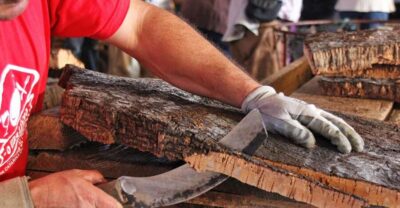 ★ 4.5Cork Factory TourFrom $20604 reviews
 ★ 4.9From Albufeira: Wine Tasting & Historic Silves TourFrom $76421 reviews
 ★ 4.5Cork Factory Tour & Cork ShopFrom $21150 reviews
 ★ 4.8Portimão: Silves & Arade River History Tour on a Solar BoatFrom $49148 reviews
 ★ 5.0Small-Group Day Tour of Silves and Monchique with Wine TastingFrom $107133 reviews
 ★ 4.9Algarve: Classic Wine Tour & Tasting in SilvesFrom $35106 reviews
 ★ 4.9Silves, Caldas and Monchique Wine Tasting: Full Day TourFrom $10484 reviews
 ★ 4.9The Real Algarve: 2 Boutique Wineries & Silves TourFrom $10669 reviews
Browse the lists this tour appears in