
Reviewed · TICKETS
CCVAlgarve Individual Ticket
A science day that feels like play. The Algarve Life Sciences Center turns the Ria Formosa coastal lagoon into hands-on learning, with two aquariums, a touch pool, and big interactive displays like a simulated earthquake and a live tornado effect. I especially like how you get real up-close animal time with seahorses, and how the exhibits cover science topics that actually sound fun, like volcanos and pizza calories. One thing to consider: it’s a 1-day visit, so if you’re the type who likes slow, museum-only wandering, you’ll want to pick your must-dos first.
This ticket is also a strong value. At about $5 per person (entrance included), you’re not just paying to look at things—you’re paying to touch, test, guess, and interact, which matters more when you’re traveling with kids or anyone who learns by doing. The center is wheelchair accessible, and it’s set up for families, including younger visitors.
In This Review
- Quick hits you’ll remember
- Algarve Life Sciences Center: a low-cost, hands-on science day
- Getting in: check-in at the big yellow building
- Two aquariums: tropical plus the Ria Formosa coastal lagoon
- The touch pool: your hands, the intertidal zone, and animal life cycles
- Earthquake and tornado effects: science that shakes things up
- Physics, geology, meteorology, and volcanos: the whole weather-and-rock story
- Weight on other planets and the pizza-calories challenge
- The 3-D printer adds a creative science layer
- What makes it worth your time (and what can trip you up)
- Who should book this ticket?
- Should you book the CCVAlgarve Individual Ticket?
- FAQ
- FAQ
- Where do I check in for the CCVAlgarve individual ticket?
- What’s included with the ticket price?
- How long is the experience?
- Is the Algarve Life Science Centre wheelchair accessible?
- Are pets allowed?
- What animals can I interact with in the touch area?
- What interactive exhibits/topics are available?
Quick hits you’ll remember
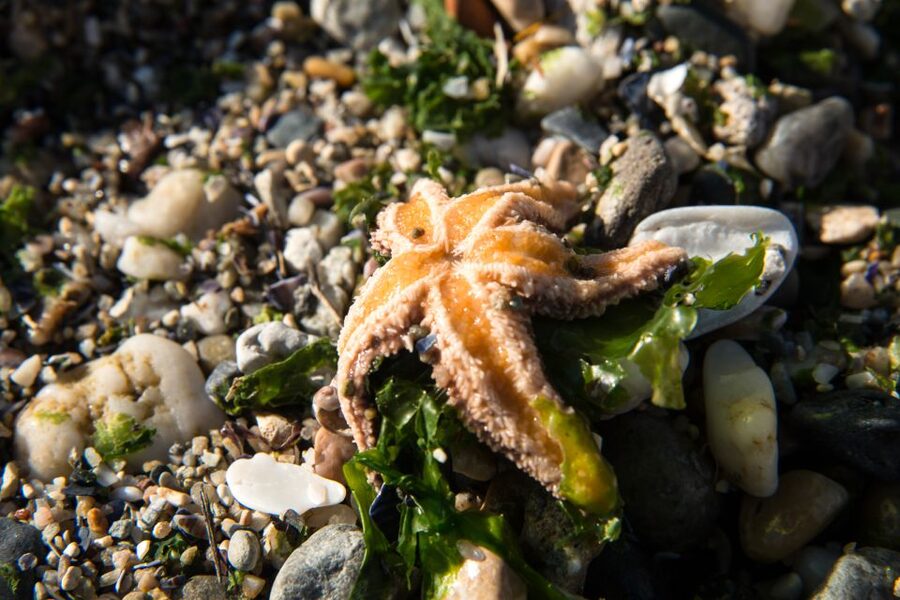
- Two aquariums with different worlds: tropical inside, plus a coastal lagoon setup for the Ria Formosa environment
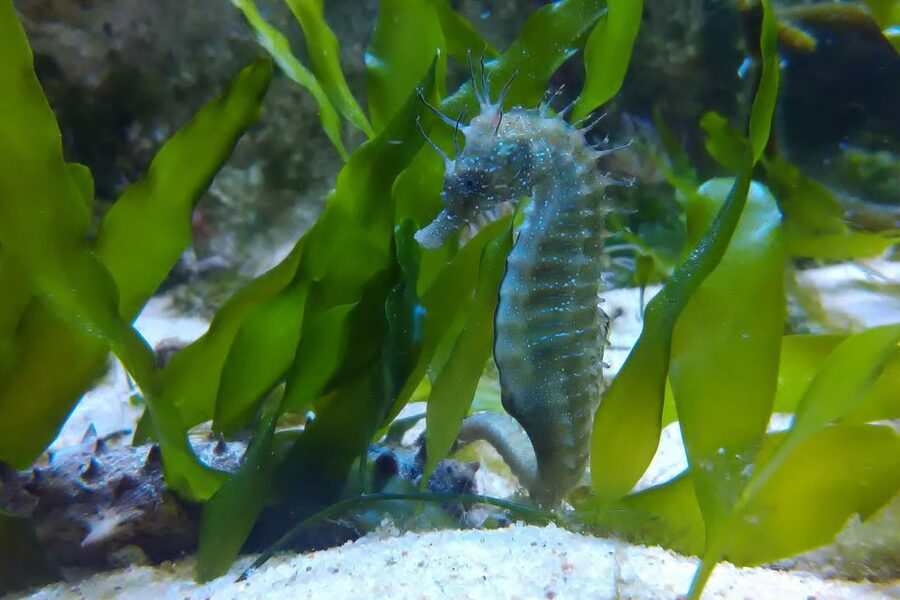
- Seahorses from the Ria Formosa: sensitive animals with a specific home in this ecosystem
- Touch pool intertidal experience: interact with animals usually found in the area between sea and land
- Hands-on science stations: earthquake feeling, a live tornado effect, and weight on other planets
- Real-world themed topics: physics, geology, food, meteorology, and volcanos in interactive modules
- Fun challenge moments: guess how many calories are in a pizza
Algarve Life Sciences Center: a low-cost, hands-on science day
At Centro Ciência Viva do Algarve, the vibe is practical and hands-on. You’re not doing “read a panel, move on.” You’re doing “try it,” and you’ll keep bouncing between stations because each one has a different kind of learning goal.
For me, the best part is how the museum connects the dots. The Ria Formosa isn’t just a pretty idea. It’s an ecosystem you can approach from multiple angles—animals, habitats, and even physics-style thinking about how nature works.
The price helps, too. A $5 ticket for a full day of aquariums plus multiple interactive exhibits is the kind of value that’s hard to ignore, especially compared with pricier “see-it-once” attractions.
A few more Algarve trips and experiences worth a spot on the list

Getting in: check-in at the big yellow building
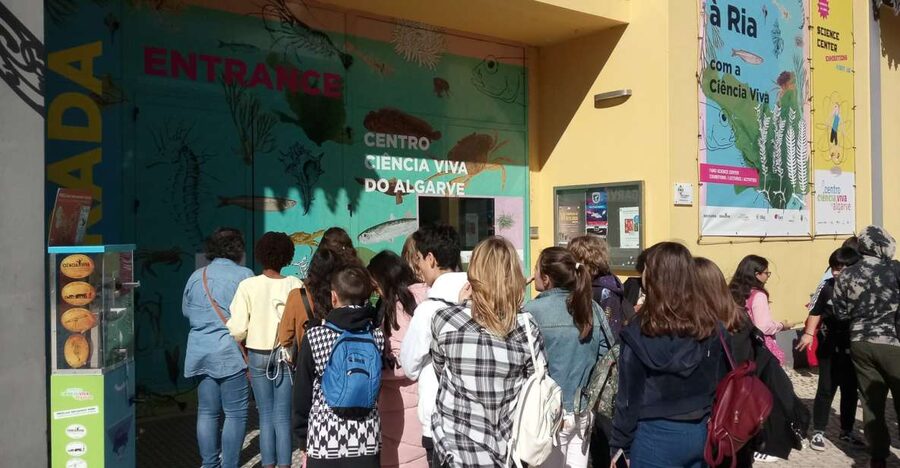
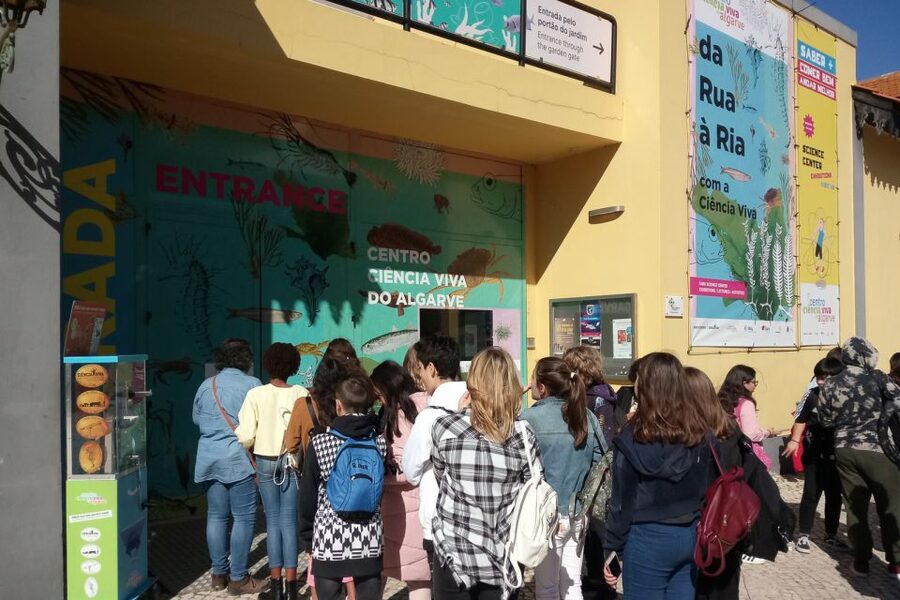
The check-in is straightforward. You enter the Algarve Life Science Centre and show your ticket at the reception counter.
The building is a big yellow structure, and the entrance is in the middle, in front of the castle walls. If you’re walking around the area, that bright yellow exterior is an easy landmark to find.
If you’re trying to match it to your day plan, keep in mind it’s valid for 1 day, and you’ll want to check available starting times. That matters because a timed start helps you avoid rushing through the aquariums just to “make the clock.”
Two aquariums: tropical plus the Ria Formosa coastal lagoon
You’ll spend a lot of your time here, because the aquariums are doing more than entertaining. One aquarium is tropical, giving you a reference point: you can compare the feel of a different water world right away.
The second aquarium focuses on the Ria Formosa coastal lagoon environment. This isn’t generic “coast-themed” decoration. It’s built to represent the sub-real (in-museum) setting of that coastal ecosystem.
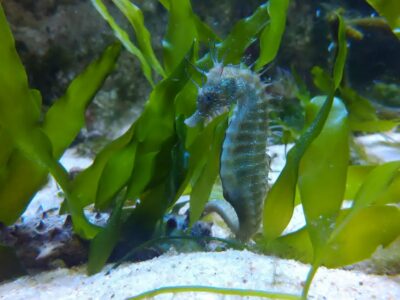
And yes, there are sensitive seahorses from the Ria Formosa. That’s a key detail for your expectations. Instead of focusing on big, tough-looking animals, this is about creatures that belong to a very specific habitat—so the museum is pushing you to notice habitat needs, not just species names.
What to watch for as you go:
Look for what the setup implies about where these animals live. Even if you only read a few labels, the aquarium design itself is teaching you what “ecosystem” means in practice.
The touch pool: your hands, the intertidal zone, and animal life cycles
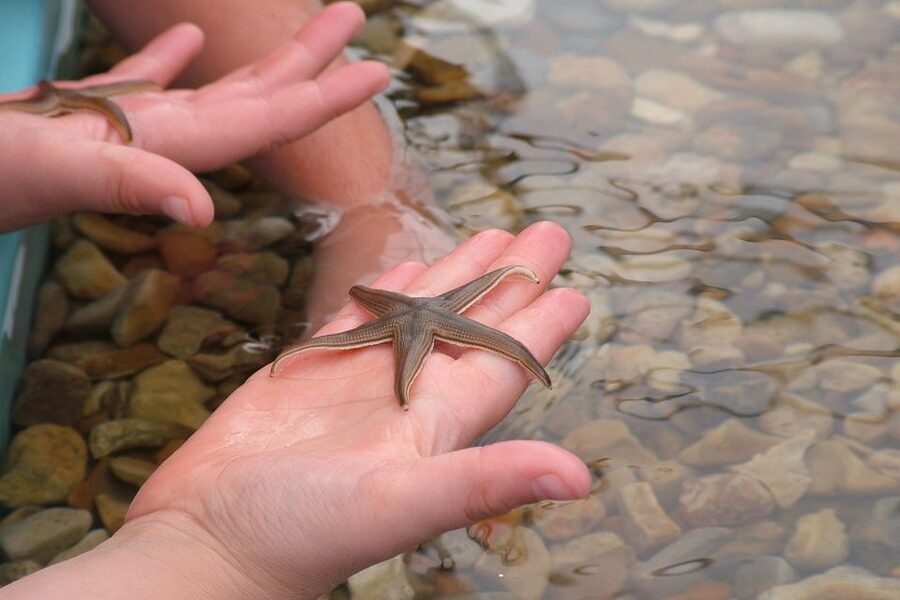
This is the section that turns a museum visit into an experience. You’ll find a touch pool designed to let you interact with animals from the Ria Formosa intertidal zone—those places that are influenced by both sea water and exposed conditions.
The goal is to help you understand what you’re feeling, and how it connects to survival in a changing habitat. You can also discover and understand the animals’ life cycle and how they relate to this unique environment.
A practical tip: go into the touch pool ready to slow down by a few minutes. It’s easy to race through because the rest of the museum is full of quick interactive stations. But this is the one spot where “hands-on” usually means you’ll learn the most by paying attention to what’s happening right in front of you.
If you’re visiting with kids, this is the part you’ll likely build your day around. The center is set up so that younger visitors can stay engaged—one of the reasons families tend to love it.
Earthquake and tornado effects: science that shakes things up
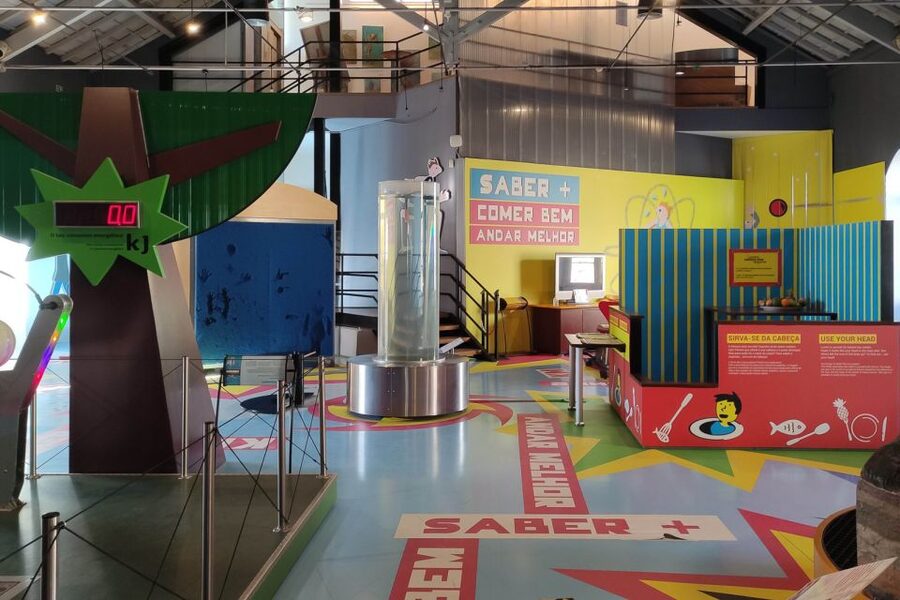
In the middle zones, the museum shifts from animal learning to “make it physical” science. You can experience the feeling of an earthquake, and you can see a live tornado.
These displays matter because they teach in a way that sticks. When science is only explained, it can feel distant. When you can feel an earthquake simulation or watch a tornado effect, your brain connects the lesson to a sensation and a visual.
It’s also just fun. The best interactive science moments don’t require prior knowledge. You show up, you try it, and you leave with a new mental model—something like: natural forces are real, and you can study them.
If you’re someone who usually skips “science corners” in museums, this is the section that can change your mind. It’s not too technical. It’s designed to be understood through interaction.


Physics, geology, meteorology, and volcanos: the whole weather-and-rock story
The museum organizes a big chunk of learning around major topics, including physics, geology, food, meteorology, and volcanos. That set of themes is smart because it mirrors how nature works as a system: rock and earth processes shape land, and weather shapes what lives where.
Here’s what I like about this approach: you’re not stuck in one lane. If your interest is more in how things move, physics stations fit the bill. If you’d rather understand natural hazards and earth changes, geology and volcanos are the focus. If you want the “why does the sky do that” angle, meteorology helps connect the dots.
Practical expectation: You’ll likely spend a bit of time bouncing between stations. The displays are made for short attention spans, but the themes are strong enough to satisfy adults who like real explanations.
Weight on other planets and the pizza-calories challenge
Some exhibits are built for guessing and quick experiments. One station lets you find out your weight on other planets. Another asks you to take your guess at how many calories are in a pizza.
These sound like “just for fun” prompts, but they’re doing real teaching work. Weight on other planets is a direct lesson on gravity and how physical rules change based on location. The pizza-calories prompt brings nutrition and measurement into the picture, which is useful even if you don’t plan to become a nutrition nerd.
If you’re traveling as a couple or with mixed-age friends, these are the stations that create teamwork. One person guesses, another checks, and suddenly everyone is participating instead of one person “watching while others play.”
Also, if you’re trying to build a memorable day without overplanning, these are the moments that give you an easy rhythm: try, learn, laugh, move on.
The 3-D printer adds a creative science layer
There’s also mention of a 3-D printer in the experience mix. That matters because it pulls the museum out of “nature only” territory and points toward how science becomes technology.
Even if you’re not building anything yourself, a 3-D printer station tends to help visitors make the bridge between what you see in aquariums and how we design and manufacture in the real world. It’s a small addition, but it can change how you view the whole day.
What makes it worth your time (and what can trip you up)
For value, the case is strong. You get two aquariums, interactive science modules (earthquake, tornado effect), touch pool time, plus multiple topic areas (including geology, meteorology, and volcanos). At about $5, the ticket feels aimed at real learning rather than just crowd-pleasing.
The main drawback is your pacing. In 1 day, it’s easy to feel like you’re “in the museum,” but not fully catching what matters. If you want the touch pool and the Ria Formosa seahorses to land well, don’t leave them for last.
Another consideration: this is an interactive center, so plan for a bit of moving around and standing at stations. Wear comfortable shoes. If you come in expecting a quiet, purely observational museum, you might find the energy a little busy.
Who should book this ticket?
This experience fits best if you:
- want an affordable, family-friendly science stop in Algarve
- like interactive exhibits more than long explanations
- enjoy animals and want to learn what habitats mean (especially with the Ria Formosa focus)
- have kids who stay engaged with touch-based learning
It’s also a good option for rainy days or days when you’d rather be indoors but still want something active.
If your travel style is strict “one big attraction and then done,” you may need to treat this as the main event. You’ll get more out of it that way.
Should you book the CCVAlgarve Individual Ticket?
I’d book it if you want a hands-on day that mixes marine life, ecosystem learning, and big interactive science. For around $5, it’s a rare setup where you’re not sacrificing learning for fun or fun for learning.
I’d think twice only if you prefer quiet museums and you dislike interactive stations. Otherwise, you’ll likely enjoy the flow: aquarium time, touch pool interaction, and science displays that make concepts feel real.
FAQ
FAQ
Where do I check in for the CCVAlgarve individual ticket?
Enter the Algarve Life Science Centre and show your ticket at the reception counter inside the building. The entrance is in the middle of the big yellow building, in front of the castle walls.
What’s included with the ticket price?
Entrance fees are included.
How long is the experience?
It’s valid for 1 day.
Is the Algarve Life Science Centre wheelchair accessible?
Yes, it is wheelchair accessible.
Are pets allowed?
Pets are not allowed, but assistance dogs are allowed.
What animals can I interact with in the touch area?
You’ll find a touch pool where you can interact with animals that are usually found in the Ria Formosa intertidal zone.
What interactive exhibits/topics are available?
You can experience an earthquake feeling, see a live tornado, learn about physics, geology, food, meteorology, and volcanos, find your weight on other planets, and make a guess about how many calories are in a pizza.
More Tickets in Algarve

More Tour Reviews in Algarve
Not quite it? Here is more to do along the Algarve coast that we have reviewed








Tickets, compared.
 ★ 4.6Algarve: Zoomarine Amusement Park Entry TicketFrom $322,524 reviews
 ★ 4.5Albufeira: MiniGolf Adventure Park Entry TicketFrom $14804 reviews
 ★ 4.2Algarve: Krazy World Interactive Park Entry TicketFrom $19377 reviews
 ★ 4.7Algarve Zoomarine Ticket and Dolphin Emotions ExperienceFrom $142368 reviews
 ★ 4.0Lagos Zoo Admission TicketFrom $22174 reviews
 ★ 4.0Armação de Pêra: Inflatable Waterpark Entry TicketFrom $1145 reviews
 ★ 3.5Parque da Mina Entrance TicketFrom $1435 reviews
 ★ 4.5CCVAlgarve Family Ticket | 2 adults + ChildrenFrom $1413 reviews