
Reviewed · TICKETS
CCVAlgarve Family Ticket | 2 adults + Children
This is Algarve science for curious families. I love the Ria Formosa touch pool for hands-on animal time, and I also like how the museum brings that local story to life with two aquariums, including seahorses from the lagoon. The main downside: it leans hard into kid-friendly interaction, so adults may feel it’s short or lighter than a traditional museum day.
It’s a one-day visit built for families: entrance is covered for 2 adults plus children up to age 17, and the price is about $14 per group (up to 6 people). Check in at the reception counter inside the big yellow building in front of the castle walls, then follow the science rooms at a comfortable pace.
In This Review
- Key highlights you’ll actually use
- Why the Ria Formosa ecosystem is the star of the show
- The ticket value: $14 for up to six and a full day at the museum
- Two aquariums: tropical wonder and lagoon realism
- Touch pool time: intertidal animals you can feel
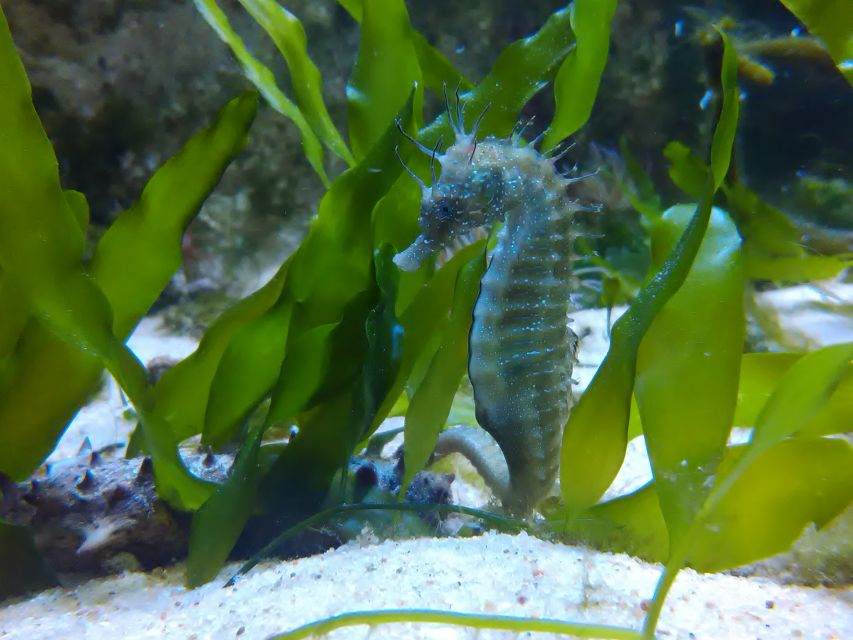
- Seahorses from the Ria Formosa: small, special, and sensitive
- Physics, geology, meteorology, volcanoes: hands-on learning that doesn’t feel like homework
- The 3-D printer and the food-and-weather science rooms
- How long to plan, and how to pace it with kids
- Adults and teens: manage expectations, then enjoy what works
- Practical tips: where to check in and what rules to expect
- Should you book the CCVAlgarve Family Ticket?
Key highlights you’ll actually use
- Touch pool in the Ria Formosa style: feel intertidal-zone animals with staff guidance
- Two aquariums with different goals: tropical tanks plus a lagoon-focused world
- Seahorses from the Ria Formosa: a local species you can learn to spot and respect
- Hands-on effects that teach: earthquake, live tornado, weight on other planets
- Science rooms for everyday curiosity: physics, geology, meteorology, volcanoes, and food
Why the Ria Formosa ecosystem is the star of the show
The Algarve is more than beaches, and this centre quietly proves it. The big theme is the Ria Formosa coastal lagoon and how life adapts to changing water levels.
What I like about this setup is that it never feels like a lecture. You’re learning through observation and play: you see how the lagoon ecosystem works, then you connect it to animals you can watch and, in the touch pool, handle carefully under supervision. Even if you only catch a few key ideas, they stick.
And yes, the seahorses matter here. You get to discover sensitive seahorses from the Ria Formosa, so the lagoon isn’t just background scenery. It becomes a living system with real residents and real needs.
A few more Faro trips and experiences worth a spot on the list
The ticket value: $14 for up to six and a full day at the museum
This family ticket is priced as a group deal. At roughly $14 per group (up to 6 people), you’re paying for entrance fees for a family of 2 adults plus children up to 17.
That value hits hardest if you’re traveling with two parents and two kids. A lot of attractions start pricing you out as soon as you add kids. Here, your cost stays tied to the family group size, not the number of bodies alone.
Duration-wise, it’s valid for 1 day, and the centre’s format is compact. One visitor notes they completed it in about an hour, which tells you the experience is designed to be manageable. You may still spend longer if you slow down at the touch pool and interactive modules, but it’s not one of those days where you’re trapped for half a lifetime.
Two aquariums: tropical wonder and lagoon realism
You’ll see two different aquariums with two different “stories” to tell.
One aquarium is tropical, so it gives you a broader marine snapshot. The other represents the sub-real environment of the Ria Formosa coastal lagoon, bringing you into the local setting where the seahorses live. That contrast is useful. It helps you understand that marine life isn’t one uniform scene; it changes with temperature, salinity, and habitat.
If you’ve ever wondered why certain animals thrive in shallow coastal zones, this part gives you a foothold. You’ll also be paying attention without forcing yourself. Kids naturally focus on what moves and what looks strange, and adults can follow the habitat logic in the background.
A practical note: aquariums can feel crowded if you’re in a rush. Plan to arrive with a calm mindset, then give yourself time to read the info beside the tanks.
Touch pool time: intertidal animals you can feel
The touch pool is the big crowd-pleaser, and it’s easy to see why. This is where the museum turns knowledge into a physical experience, letting you interact with animals usually found in the Ria Formosa intertidal zone.
The best advice I can give you: slow down and let staff explain first, then touch only when you’re ready. A previous visitor specifically called out a volunteer who explained local marine life in the touch pool, including starfish, sea cucumbers, and crabs. That kind of guidance matters because it turns a “look, I touched a sea creature” moment into a real learning moment.
You’ll also connect it to life cycles and how these animals relate to the unique intertidal environment. It’s not just contact. It’s context, which is what keeps this experience from feeling like a gimmick.
If you’re traveling with children, this is also where patience pays off. Some kids want touch after touch; others get nervous at first. The touch pool format usually helps both groups find a comfort level.
Seahorses from the Ria Formosa: small, special, and sensitive
Seahorses have a way of stopping a conversation mid-sentence. You’ll discover them as part of the lagoon-focused aquarium experience, with an emphasis on how they’re sensitive to their environment.
This matters because it reframes your thinking. Seahorses aren’t just cute curiosities. They depend on specific conditions in their habitat, which links directly back to the Ria Formosa ecosystem theme.
What to do as you’re standing there: look for the details that explain behavior. Are they anchored? Do they blend into the setting? Even if your kids can’t name everything, they can notice what changes and what stays the same. The museum’s strength is that it invites that kind of observation.

Physics, geology, meteorology, volcanoes: hands-on learning that doesn’t feel like homework
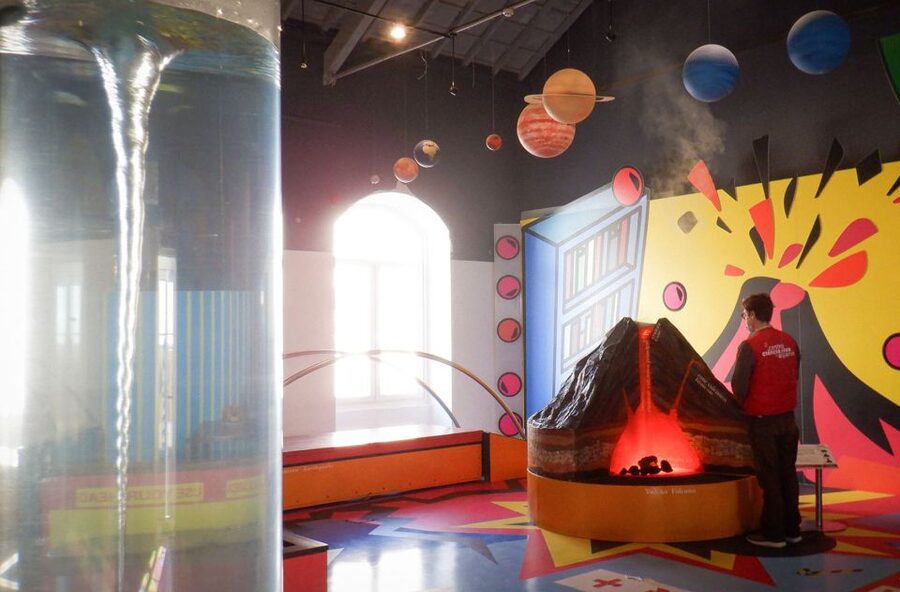
This is not a quiet gallery. The centre includes an area with Physics, Geology, Food, Meteorology, and Volcanos, and you’re meant to interact.
A few of the interactive moments stand out:
- You can experience an earthquake feeling.
- You can see a live tornado effect.
- You can find out your weight on other planets.
- You get to guess how many calories are in a pizza.
That mix is smart for families. It ties science to experiences kids already recognize. Earthquakes and tornadoes feel dramatic, weight-on-planets makes gravity personal, and the pizza-calories game turns nutrition into a quick brain teaser.
The geology and meteorology parts also help kids understand that nature isn’t random. It follows rules, even when it looks chaotic on the surface. Adults often love this kind of “explain it with a button” approach because it avoids heavy theory while still teaching the underlying idea.
If you have older kids, encourage them to repeat the predictions or numbers. The real learning is in testing what you think, then seeing what the display shows.
The 3-D printer and the food-and-weather science rooms
You’ll also find a 3-D printer as part of the day’s hands-on options. For kids, this is often more exciting than it should be. For adults, it’s a quick reminder that science in real life is making, not just studying.
Then there’s the food angle, including the puzzle-style moment where you guess how many calories are in a pizza. It’s a simple activity, but it’s effective because it connects everyday life to basic math and awareness. You don’t need a nutrition degree to benefit.
Food plus meteorology plus volcanoes creates a spread of interests. One child might gravitate toward weather effects. Another might chase the geology feeling. You don’t have to force everyone to share the same attention span, which makes the day feel smoother.
How long to plan, and how to pace it with kids
A key benefit here is that it’s family-sized. One visitor noted it only took about an hour to complete, and that tracks with the overall “interactive modules” feel.
So plan this as a short, focused museum block. You’ll still want buffer time for the touch pool. That area can become a mini adventure, especially if someone gets excited about the animals’ life cycle and the intertidal zone details.
Also, it’s the kind of place where you can choose your own intensity. Do a quick lap of the aquariums, then spend extra time on the physics and the touch pool. Or go deep on one theme, like the Ria Formosa ecosystem and seahorses, and skim the rest.
One more real-world detail: a previous visitor shared that staff allowed their family to come back when the centre reopened in the afternoon. That doesn’t mean it’s guaranteed every day, but it suggests the team is flexible when it comes to helping families get the most out of the visit. If you’re trying to fit it around another plan, it’s worth asking staff on-site what’s possible within the day.
Adults and teens: manage expectations, then enjoy what works
Here’s the honest take: this is built first for kids. A review experience rated the tour more lukewarm for adults, saying there wasn’t much to see beyond the kid-focused sections.
I think that’s fair, especially if you’re expecting long, detailed displays. The strong suit is interaction and quick learning moments, not deep adult-level interpretation.
That said, adults can still have fun here if you treat it like a science playground with a theme. If you like hands-on learning, you’ll probably enjoy the earthquake experience, tornado effect, and weight-on-planets stations. And the Ria Formosa ecosystem angle gives adults something meaningful: local marine biology explained through habitat and life cycles.
For teenagers, the pitch is this: let them run the controls at physics and meteorology stations, then see if the seahorse and lagoon storyline catches their attention. If they’re science-curious, the hands-on nature keeps it from feeling like a chore.
Practical tips: where to check in and what rules to expect
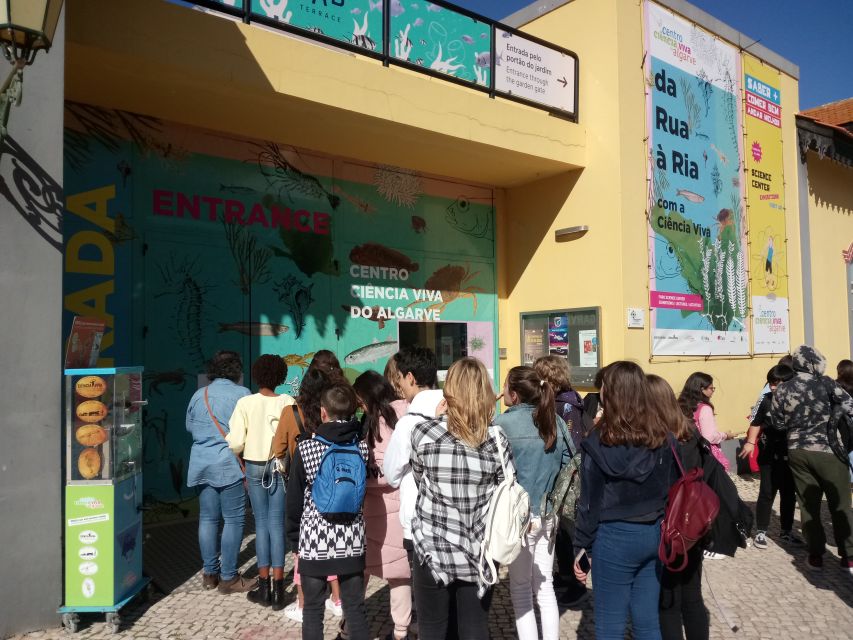
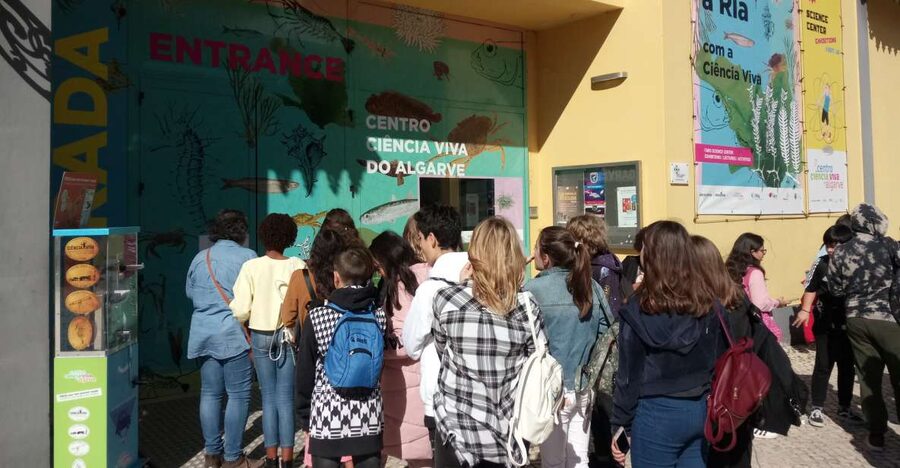
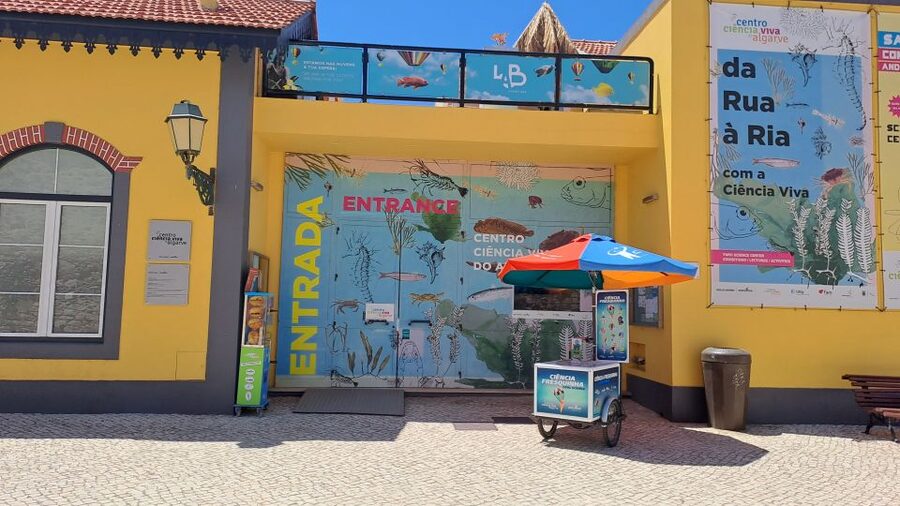
Getting started is simple. You enter the Algarve Life Science Centre and show your ticket at the reception counter. The location is a big yellow building, with the entry in the middle in front of the castle walls.
Language support is solid for international families. English, Portuguese, and Spanish are available, which makes it easier to follow explanations during key interactive stops.
Wheelchair accessibility is confirmed, so it’s designed for mobility needs.
On the rules side:
- Pets aren’t allowed (assistance dogs are allowed).
- Alcohol and drugs aren’t allowed.
What to bring: comfortable shoes for walking between stations, and a small amount of patience. The touch pool and interactive displays can create short lines, and the day moves best when you don’t rush through the learning parts.
Should you book the CCVAlgarve Family Ticket?
Book this if you want a family-friendly science day in the Algarve that connects hands-on fun to a real local ecosystem. The combo of two aquariums, a Ria Formosa-themed touch pool, and interactive effects like earthquake and tornado experiences makes it a strong pick for kids around primary school age through early middle school.
Skip it or consider another option if you’re traveling mostly adults or you need a long, quiet museum format. The experience is short and interactive, so if you want deep adult explanations and hours of galleries, you may feel under-satisfied.
If you’re on a family trip with mixed interests, this ticket is one of those rare deals where the kids get the fun and the adults get enough meaning to feel like the stop was worth it.
More Tickets in Faro
More Tour Reviews in Faro
Not quite it? Here is more to do along the Faro coast that we have reviewed








Tickets, compared.
 ★ 4.6Algarve: Zoomarine Amusement Park Entry TicketFrom $322,524 reviews
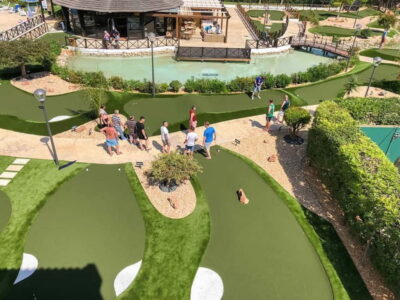 ★ 4.5Albufeira: MiniGolf Adventure Park Entry TicketFrom $14804 reviews
 ★ 4.2Algarve: Krazy World Interactive Park Entry TicketFrom $19377 reviews
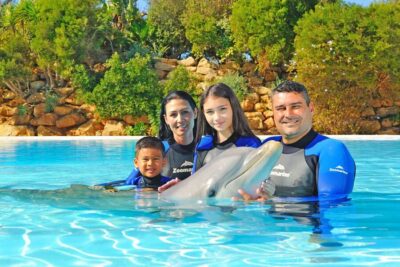 ★ 4.7Algarve Zoomarine Ticket and Dolphin Emotions ExperienceFrom $142368 reviews
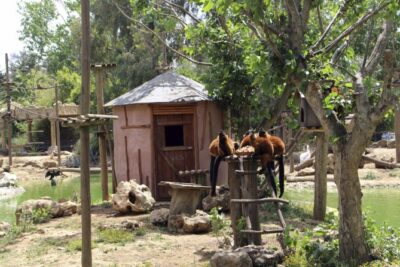 ★ 4.0Lagos Zoo Admission TicketFrom $22174 reviews
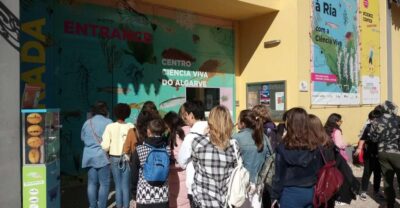 ★ 4.4CCVAlgarve Individual TicketFrom $599 reviews
 ★ 4.0Armação de Pêra: Inflatable Waterpark Entry TicketFrom $1145 reviews
 ★ 3.5Parque da Mina Entrance TicketFrom $1435 reviews