
Reviewed · MONCHIQUE & SILVES INLAND TRIPS
Monchique Hills & Flavors
One of the best mornings in Portugal starts with pigs and views. This Monchique Hills & Flavors day pairs a hike through cork and medronho trees with hands-on food stops—black pork, cured meats, and a Medronho distillery—so you don’t just see the Algarve, you taste how it’s made. I especially love the mix of outdoors and food, and how the morning viewpoint lands you in the right mood for what comes next.
I also really like the human scale of the day: you’re not just watching from afar, you’re learning from the farm people and tasting the products in context, including chouriço and raw hams with a glass of red wine. The one drawback to plan around is weather and walking comfort. This tour needs decent conditions and you’ll be hiking, with only moderate fitness required—but you’ll still want proper shoes and a calm pace.
In This Review
- Key highlights you’ll feel the most
- Serra da Picota first: the view sets the tempo
- Cork and medronho forest walking: the Algarve at human speed
- The black pig production stop: wild rearing and three generations of curing
- Chouriço and raw hams with red wine: tasting like a pro
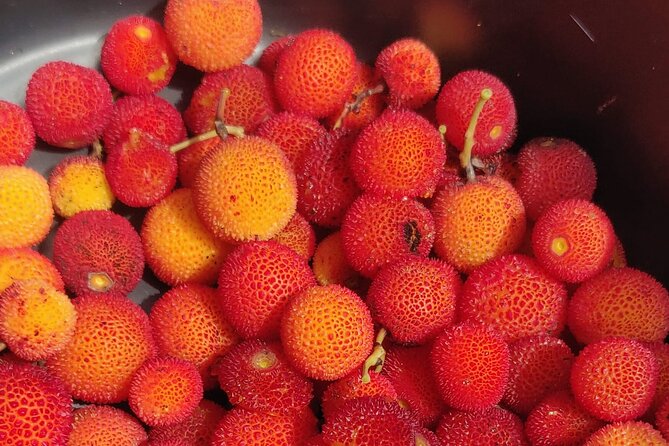
- Marmelete and Medronho distillery: from strawberry trees to spirits
- Lunch, coffee, water, and the alcohol plan
- Timing, group size, and what to pack for Monchique
- Price and value: what you’re really paying for
- Who this tour fits best (and who should skip it)
- Should you book Monchique Hills & Flavors?
- FAQ
- How long is the Monchique Hills & Flavors tour?
- What time does the tour start?
- Where do I meet for the tour?
- Is pickup offered?
- What is included in the price?
- Are admission tickets included?
- How big is the group?
- Is the hike suitable for beginners?
- Are children allowed?
- What if the weather is bad?
Key highlights you’ll feel the most
- Serra da Picota views: a short stop at one of the highest points in the Algarve
- Black pork, explained up close: pigs reared wild and free to run
- Cured meat with real process: learn how chouriços and raw hams are produced over generations
- Wine + tasting that makes sense: chouriço and raw hams paired with red wine
- Medronho distillery session: step-by-step distillation from strawberry tree fruit
Serra da Picota first: the view sets the tempo
The day kicks off at 9:30 am (meeting at Intermarché Monchique). Within a short time, you’re moving into the hills, aiming for the Serra da Picota viewpoint. The stop is about 30 minutes, with the admission ticket included, so it’s not one of those quick look-and-join-a-conga-line moments.
What makes this first leg work is how it changes your perspective. From the highest point in the Algarve, you can start to understand why Monchique has such a devoted food culture. Hills, forests, and cooler air matter here. It’s not just scenery—it’s the setting that supports the cork and medronho trees that show up later in the day.
Practical tip: this is the part where light and wind can surprise you. Even if the coast is warm, the hills can feel cooler. Bring a light layer you can stash in your day bag.
Browse more inland escapes to Monchique, Silves and the hills behind Faro.
Cork and medronho forest walking: the Algarve at human speed
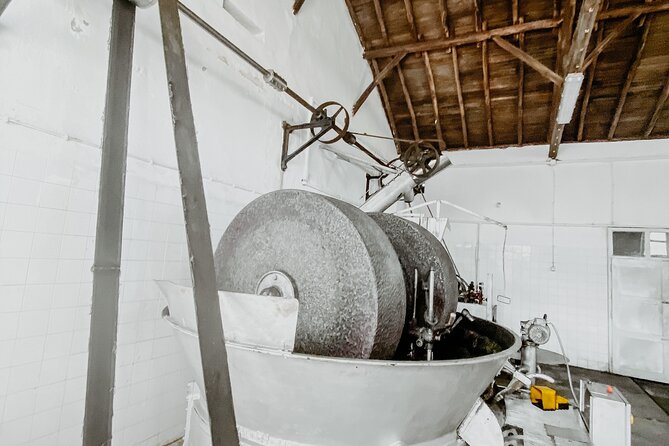
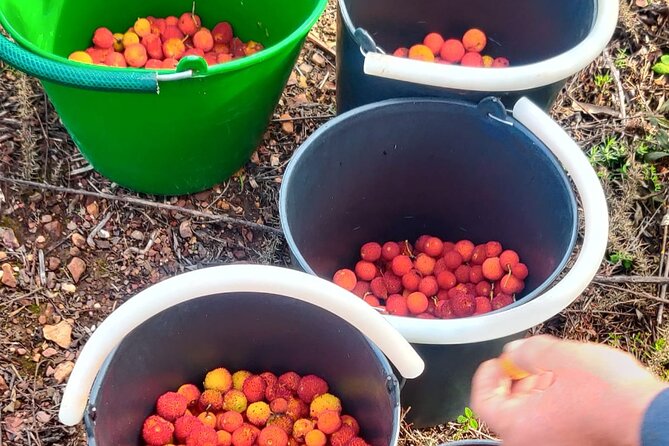
The core of the experience is a morning walk through cork and medronho forest. You’re not grinding up a mountain for hours. Instead, you’re learning the terrain as you go—cork, strawberry tree (medronho) surroundings, and the kind of natural cover that shapes local traditions.
This is where the tour earns its name. In most “food tours,” the hiking feels like an annoying warm-up. Here, the walking sets the story you’ll hear later: black pig rearing, cured meat methods, and the way Medronho spirits are tied to local fruit.
You’ll also get a better sense of distance and timing. With only up to 8 people in the group, the pace tends to feel manageable. You can ask questions without shouting over a crowd, and you won’t spend the whole day feeling rushed from one stop to the next.
One caution: the tour is rated for moderate physical fitness. That means you should expect some uneven paths and uphill sections. If you’re unsure, choose grippy shoes and don’t treat this like an easy promenade.
The black pig production stop: wild rearing and three generations of curing
Then comes the main meat of the day—literally. You’ll visit a black pork production site where pigs are reared wild and free to run. This is one of those experiences that hits harder when you’re standing there in person, because you can see the difference between “factory meat” and a system built around the animals’ lived environment.
You’ll also learn how the best cured meats in the Algarve are made, and the story is tied to family knowledge passed down for generations. That matters. When you hear people talk about methods that have been maintained since three generations, you start to understand why chouriço tastes the way it does—not just what’s in it, but what goes into making it.
In the experience, you’ll meet the family behind the farm, and the atmosphere feels personal rather than staged. From what I took away during this kind of visit, the guides focus on the practical side: how pigs live, how cured meat is produced, and why patience is part of the process. One of the nicest touches is that you’re not only learning about the pigs—you get the sense of the farm community around them, including the dogs that share the space with the family.
Stop details that help your planning:
- This stop is about 1 hour
- Admission is free for this part
- The tone is educational, not lecture-heavy
Chouriço and raw hams with red wine: tasting like a pro
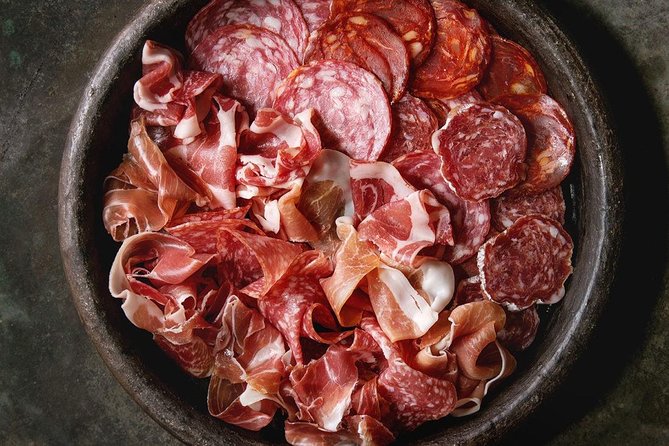
Once you’ve seen how it’s made, tasting becomes much more than a free snack. You’ll taste the best chouriço and raw hams in Monchique paired with a fine glass of red wine. That pairing sounds simple, but it’s a smart setup. Salty cured meat textures and peppery or smoky flavors match well with tannic reds and help you focus on taste rather than just “wow, food.”
This is where the tour earns real value. If you tried to piece together a similar day on your own, you’d likely pay for transport, struggle to find a producer willing to explain process, and still end up with only one tasting. Here, you get:
- a walk that explains the environment
- a farm visit that explains the animal side
- a tasting that explains the flavor side
I also like that the tasting feels earned. You’re not sampling without context. You already saw the production methods, so your brain knows what to look for in flavor and texture.
If you’re sensitive to alcohol, you can still enjoy the tasting moment. The day includes wine and a liquor tasting session, but you’re in control of how you sip.
Marmelete and Medronho distillery: from strawberry trees to spirits
After the cured-meat education, the tour shifts to liquid gold: Medronho. At Marmelete, you’ll taste liquors and spirits made from Medronho fruit (from strawberry trees). Admission is free here, and the stop runs about 30 minutes.
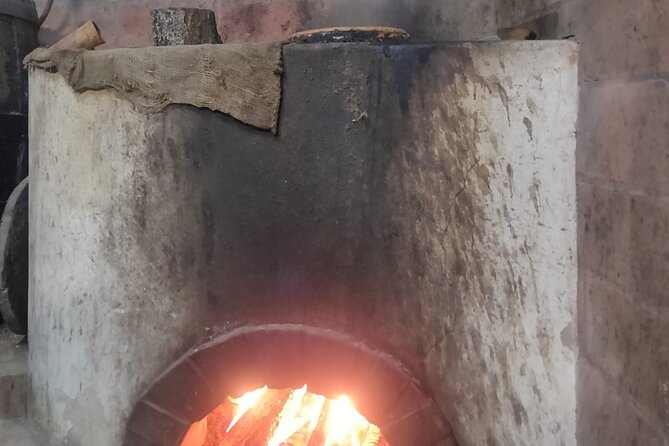
Then you move to a Medronho distillery where local producers show the distillation process step by step. This is one of those topics that can turn dry fast if it’s handled poorly. The good news is that the format here tends to keep it grounded: what the fruit is, how it’s processed, and how distillation works in practical terms.
What you’ll likely remember most is the sequence. The producers don’t just hand you a drink and point at a bottle. You walk through how the spirit comes to be, and that makes the final tasting feel like a conclusion instead of a random stop.
Practical note: keep your senses open at this point. Distilled spirits can hit strong and fast. If you’ve been hiking and eating since morning, it’s easy to forget that your body is already “working.” Take sips, breathe, and don’t rush.

Lunch, coffee, water, and the alcohol plan
Food is built into the flow. The tour includes lunch, plus coffee and/or tea, bottled water, and the alcohol tastings: a glass of wine and a liquor tasting session. In a 6-hour day, that’s important. It means you can stay focused instead of hunting for food between stops.
Lunch on this kind of tour is usually meant to refuel you right before or during the production-to-tasting transition. You’ll also find it easier to keep a steady pace during the walk segments when you’re not running on crackers and water.
If you want to make the day feel smoother:
- Start the morning hydrated
- Plan to eat slowly at lunch
- Save your biggest appetite for the cured meat tasting moment
Timing, group size, and what to pack for Monchique
The tour runs about 6 hours and caps at 8 people. That small group size is a big deal. It tends to make questions easier, keeps walking pace more consistent, and reduces the awkwardness of being the person holding everyone up.
You’ll also want to think about comfort. The day includes hiking, so packing matters more than you might expect:
- Good walking shoes with grip
- A light layer (hill weather can shift)
- A small rain shell if the sky looks uncertain
- Sun protection, even in cooler hills
- A day bag or small backpack you can keep close
Good weather is required. If it gets canceled because of poor conditions, you’ll be offered a different date or a full refund. That’s the kind of setup that makes sense for a route built around walking and viewpoints.
Price and value: what you’re really paying for
At $578.80 per person, this isn’t a cheap “grab a bite” tour. But value isn’t only price—it’s what’s included and how much access you get.
You’re paying for:
- a guided day with early morning timing
- a hike plus key viewpoint time at Serra da Picota
- a black pork production visit with family instruction
- tasting of chouriço and raw hams paired with red wine
- a Medronho distillery visit with step-by-step explanation
- lunch, coffee/tea, bottled water, and alcohol tastings
- admission support at the viewpoint, while the other two stops are free
If you tried to replicate this independently, you’d likely spend money on transport and struggle to line up the producer access that makes the tasting meaningful. In other words: the cost buys structure. It also buys a small group experience, which is hard to recreate without joining something like this.
Would I call it a bargain? No. But for a single day that combines hike + two production visits + multiple tastings, it’s fair.
Who this tour fits best (and who should skip it)
This is a great match if you love:
- food you can trace to a place and a process
- outdoor morning walking with a goal viewpoint
- trying local products like chouriço and Medronho spirits
- small groups and guide-led storytelling
It may be less ideal if:
- you want a mostly flat walk
- you hate alcohol tastings (even though you control how much you drink)
- you’re traveling when weather is likely to be poor, since the day depends on good conditions
Also check your schedule. This is a full, structured morning-to-afternoon plan. It works best when you don’t need to squeeze in extra activities right after.
Should you book Monchique Hills & Flavors?
I’d book it if you want Monchique to feel real and personal. The best part is the sequencing: the hike sets the scene, the black pig farm gives you the meat story, and the tastings wrap it up with flavor you can actually understand. When the guide is someone like Matteo—and sometimes Glória joins in—the day feels friendly and practical, not stuffy.
Skip it if you’re looking for a purely sightseeing day or if walking in uneven hill terrain sounds stressful. Also, if your plans are fragile and you can’t handle a weather-based change, consider building in flexibility.
If you’re the kind of person who loves learning how food gets made—then walks it off for views—you’ll be happy you went.
FAQ
How long is the Monchique Hills & Flavors tour?
It runs for about 6 hours.
What time does the tour start?
The start time is 9:30 am.
Where do I meet for the tour?
The meeting point is Intermarché Monchique, Largo do R. Pé da Cruz, Ceiceira, 8550-328 Monchique, Portugal.
Is pickup offered?
Yes, pickup is offered.
What is included in the price?
Lunch, coffee and/or tea, alcoholic beverages (including a glass of wine and a liquor tasting session), and bottled water are included.
Are admission tickets included?
Serra da Picota includes the admission ticket. The Monchique black pork production and the Marmelete stop both show admission as free.
How big is the group?
The group is limited to a maximum of 8 people.
Is the hike suitable for beginners?
It’s designed for people with moderate physical fitness. Comfortable walking shoes are a good idea.
Are children allowed?
Children over 10 are welcome.
What if the weather is bad?
This experience requires good weather. If canceled due to poor weather, you’ll be offered a different date or a full refund.
More Tour Reviews in Faro
More Monchique & Silves Inland Trips in Faro
Not quite it? Here is more to do along the Faro coast that we have reviewed


Monchique & Silves Inland Trips, compared.
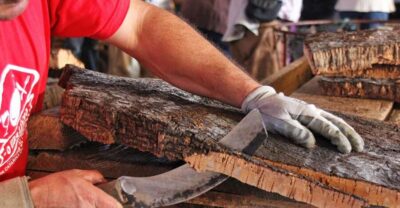 ★ 4.5Cork Factory TourFrom $20604 reviews
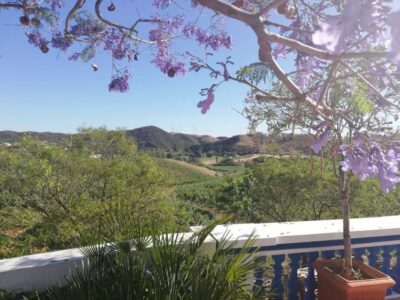 ★ 4.9From Albufeira: Wine Tasting & Historic Silves TourFrom $76421 reviews
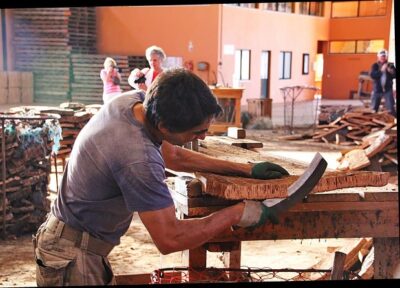 ★ 4.5Cork Factory Tour & Cork ShopFrom $21150 reviews
 ★ 4.8Portimão: Silves & Arade River History Tour on a Solar BoatFrom $49148 reviews
 ★ 5.0Small-Group Day Tour of Silves and Monchique with Wine TastingFrom $107133 reviews
 ★ 4.9Algarve: Classic Wine Tour & Tasting in SilvesFrom $35106 reviews
 ★ 4.9Silves, Caldas and Monchique Wine Tasting: Full Day TourFrom $10484 reviews
 ★ 4.9The Real Algarve: 2 Boutique Wineries & Silves TourFrom $10669 reviews
Browse the lists this tour appears in