
Reviewed · LAGOS BOAT & KAYAK TRIPS
Lagos: Flexible Walking Tour in Historic Center
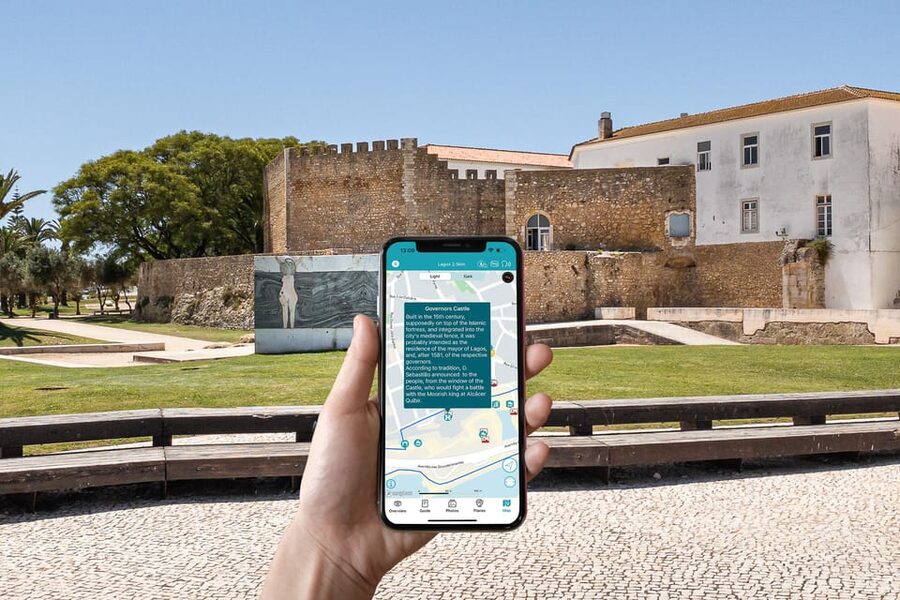
Lagos rewards slow walking. This self-guided historic-center route is built for you to wander, with offline audio that plays automatically as you go. I like that the Walkbox experience is in English, Portuguese, French, and Spanish, so you can actually follow the stories without fighting your phone the whole time.
You’ll hit Lagos’s big anchors and the stuff around them: São Sebastião Church and the Fort of Ponta da Bandeira by the sea, plus the old-town lanes and walls that help the city feel like a real place, not just a checklist. One caution: the only real snag I see is that logging into the guide can be confusing, and some people may need to navigate more than one website before the audio starts.
In This Review
- Key highlights you’ll care about
- Starting in Lagos: Municipal Market, São Sebastião Church, and an easy first step
- Using the Walkbox app: offline guidance that still lets you be spontaneous
- Gil Eanes Square and the Don Sebastião statue: the “orientation” moment of the route
- Praça Infante Dom Henrique: statues, a museum stop, and quick cultural context
- Santa Maria Church, Santo António Church, and the Alcácer-Quibir Triptych
- São Sebastião Church: the National Monument anchor you can’t miss
- Royal Warehouse, old-town streets, and how the route builds a “Portugal story”
- Governor’s Castle and the ancient city walls: where defense and power become visible
- Saint Gonçalo’s Arch: a quick passage that makes the old town feel connected
- Praia da Batata and Ponta da Bandeira: the sea finale that gives your legs a reward
- The route length and pacing: why 2.5 km feels easier than it sounds
- Price and value at $7: what you’re really paying for
- Who this Lagos walk fits best (and who should skip it)
- Should you book this self-guided Lagos walk?
- FAQ
- How long does the walking tour take?
- How far is the route?
- Where does the tour start and end?
- Does the Walkbox tour work offline?
- What languages are available?
- Can I do the tour in parts or at a later time?
- Are attraction tickets included?
Key highlights you’ll care about
- Offline Walkbox audio that starts as you walk, even with spotty signal
- Do it your way: full route or parts, anytime within 5 days of booking
- A 2.5 km loop planned for about 2 hours at an easy pace
- Historic anchors including Governor’s Castle, city walls, and São Sebastião Church (National Monument)
- Sea finale with Praia da Batata and the Ponta da Bandeira Museological Nucleus, then a seafront promenade
Starting in Lagos: Municipal Market, São Sebastião Church, and an easy first step
The walk starts right by the Municipal Market area, and it ends back at the same meeting point. In practice, this is handy. If you’re arriving by car, São Sebastião Church is also part of the start logic, and it’s close—easy to reach without a complicated commute.
Why this matters: Lagos’s historic core is best enjoyed on foot, and starting near the market keeps you out of “start-stop” logistics. You can begin with a quick orientation, then settle into pedestrian streets and squares where the landmarks make sense.
Here are more Lagos boat trips and paddle outings we have been out to review around Lagos Portugal.


Using the Walkbox app: offline guidance that still lets you be spontaneous
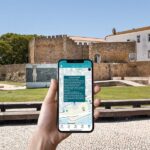
This experience runs through the Walkbox app. You get a planned walking route with audio guides that play automatically as you explore, plus story content in four languages. The big win here is that the tour can work offline, which is perfect in older neighborhoods where mobile coverage can be hit-or-miss.
There’s also human support behind the scenes. After booking, your tour curator sends clear instructions, and you can reach them by WhatsApp or SMS between 8:00 AM and 8:00 PM if something goes wrong. For true emergencies, there’s phone help too.
One practical tip: charge your smartphone fully before you head out. With offline audio and GPS, your battery can drain faster than you expect—especially if you’re taking photos every 30 seconds (which, if you’re like me, you will).
Also, note the one common friction point: some people find the guide login steps confusing and may need to go through more than one website. If you can, do the setup at home on Wi‑Fi the day before. Then the walk feels effortless.
Gil Eanes Square and the Don Sebastião statue: the “orientation” moment of the route
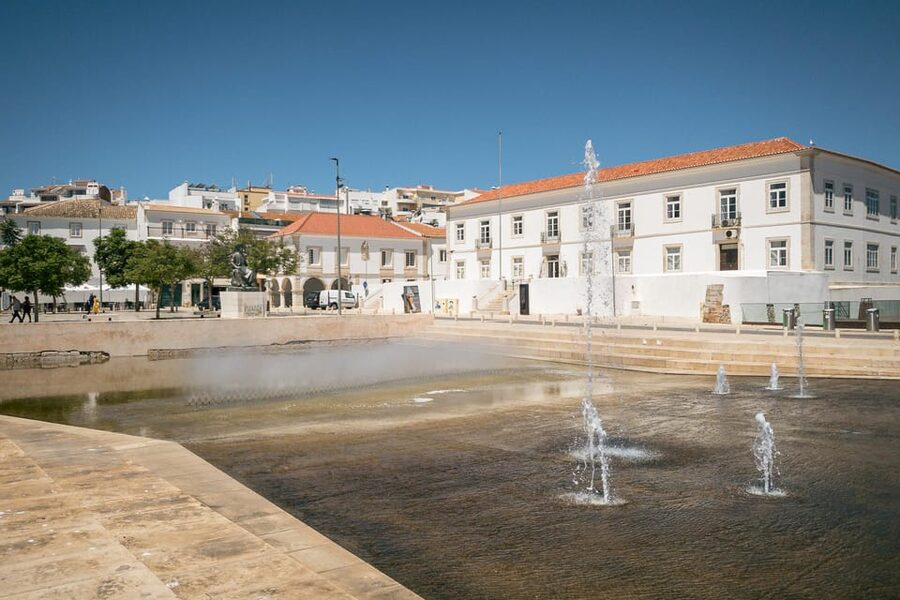
After you begin, you’ll move through Lagos’s pedestrian areas and hit Gil Eanes Square. The Don Sebastião statue by João Cutileiro is one of the clear landmarks that helps you lock onto the story of the city’s public art and monuments.
This stop works well early because it gives you something visual to anchor the rest of your walk. You’ll start noticing how squares, churches, and forts connect like pieces of a map—small routes that were designed for movement, defense, and ceremony.
You’ll also pick up that Lagos has an everyday side right alongside the historic one. Around these squares you’ll see cozy shops, bars, and places to eat, so you’re not stuck in “museum mode” the whole time.
Praça Infante Dom Henrique: statues, a museum stop, and quick cultural context
Next up is Praça Infante Dom Henrique, where you can admire the Infante statue. Then the route guides you toward several historically focused stops, including the Slave Route Museum Centre.
This is one of the reasons I think this walking tour is good value. For a low price, you’re not only getting directions—you’re getting context through short audio points. When the audio explains why a place matters, you’ll read the city differently while you’re standing in the middle of it.
From there, you continue through key religious and cultural sites tied to the old-town fabric. Even if you only listen for part of the audio, you’ll still get better “why this is here” understanding than you would from a random stroll.
Santa Maria Church, Santo António Church, and the Alcácer-Quibir Triptych
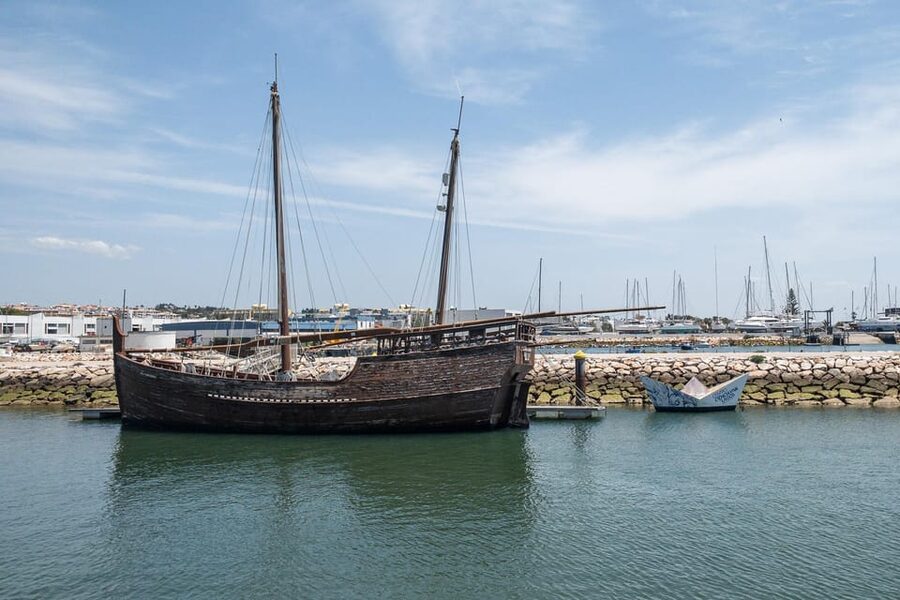
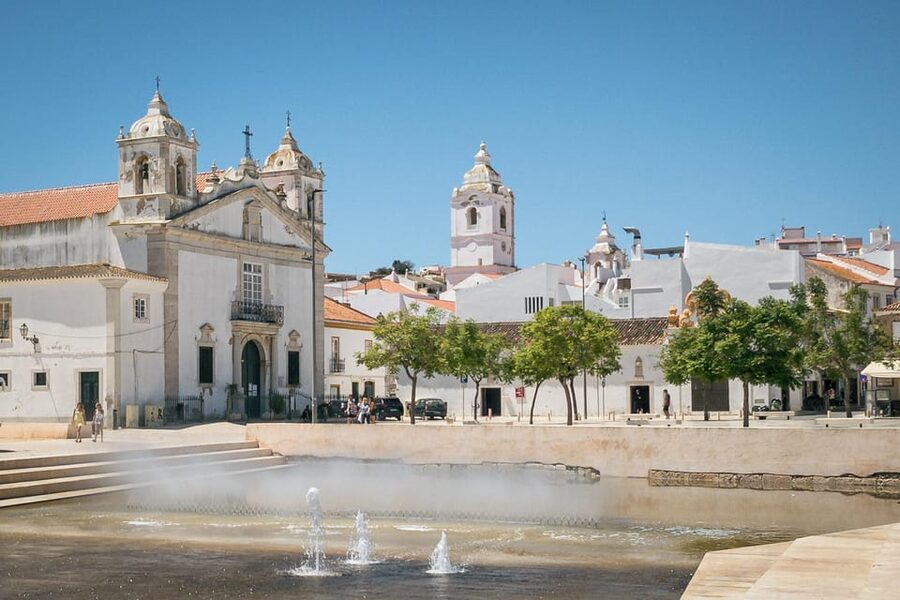
As the walk progresses, you’ll pass some of Lagos’s most important churches. You’ll visit Santa Maria Church and Santo António Church, both included as stops in the route.
One highlight for art lovers is the Alcácer-Quibir Triptych, referenced as part of the route’s historical highlights. Even if you don’t spend long inside any given space, knowing there’s a specific major artwork here helps you pay attention instead of drifting past.
How to make this section feel rewarding:
- Pause for a minute at each church even if you don’t go in.
- Listen to the audio explanation first, then decide whether to enter.
- If an attraction has a paid ticket, remember that tickets aren’t included, so you may need to choose which interior visits are worth it for you.
Take a look at more guided walks winding through Lagos Portugal.
São Sebastião Church: the National Monument anchor you can’t miss
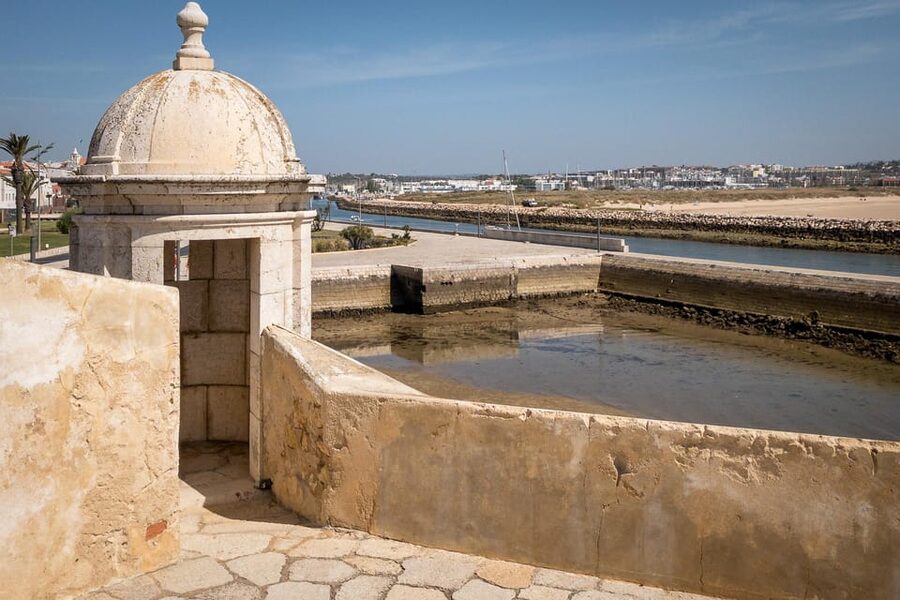
São Sebastião Church is a cornerstone of the route and is identified as a National Monument. It’s also named in the starting area logic, which makes it a natural first or early “big moment” in the walk.
What I like about having a confirmed landmark like this near the beginning: it keeps the tour from feeling vague. You’re not just wandering in a historic district—you’re moving through specific places with weight. If you’re short on time in Lagos, this church stop is the kind of thing you’ll be glad you didn’t skip.
Royal Warehouse, old-town streets, and how the route builds a “Portugal story”
The route also includes the Royal Warehouse and other historical points along the way, including references such as the Royal Warehouse and other church-related stops. This section is where you’ll notice the pattern: the tour connects places that reflect Lagos’s relationship with trade, power, and religious life.
Even without deep museum time, that approach works. You’re walking the same streets that connect these sites, so the city feels like one system rather than separate attractions.
You’ll also move through areas with charming shops and eateries. This isn’t a silent, solemn walk. It’s practical. You can take a snack break and keep going without feeling like you’ve interrupted something formal.
Governor’s Castle and the ancient city walls: where defense and power become visible
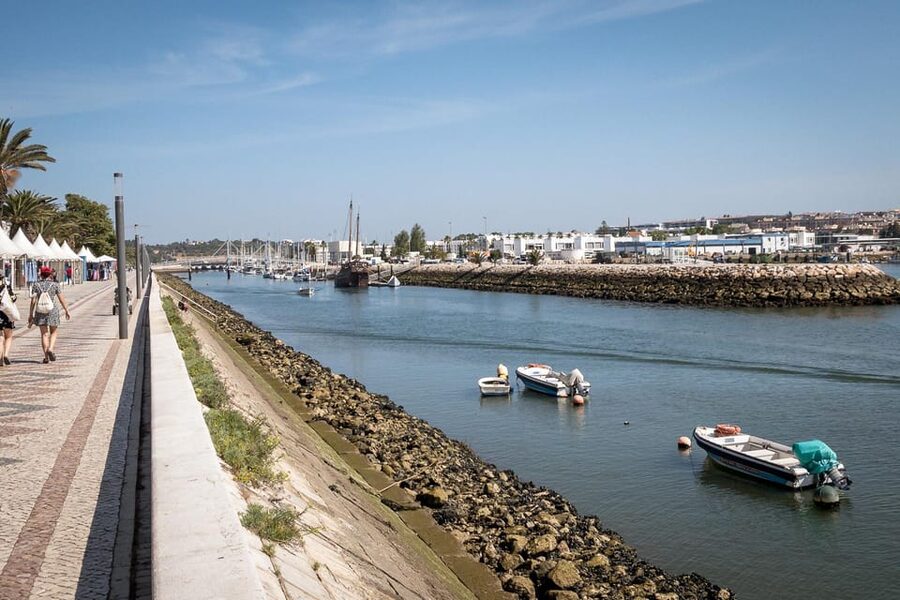
Then the route heads toward the Governors’ Castle, described as a 15th-century site, and the experience includes ancient city walls. This is the part of the walk where Lagos starts to feel more “strategic.”
Why this section is worth your time:
- Castles and walls are physical history. You can see design choices made for defense.
- The views from these kinds of areas tend to give you scale—how the old town relates to the sea.
- The route uses the castle to connect you to the later seaside stops, so you feel the transition as you go.
Even if you don’t want to linger for long, don’t rush through the outside views. Give yourself a few minutes to look out and orient.
Saint Gonçalo’s Arch: a quick passage that makes the old town feel connected
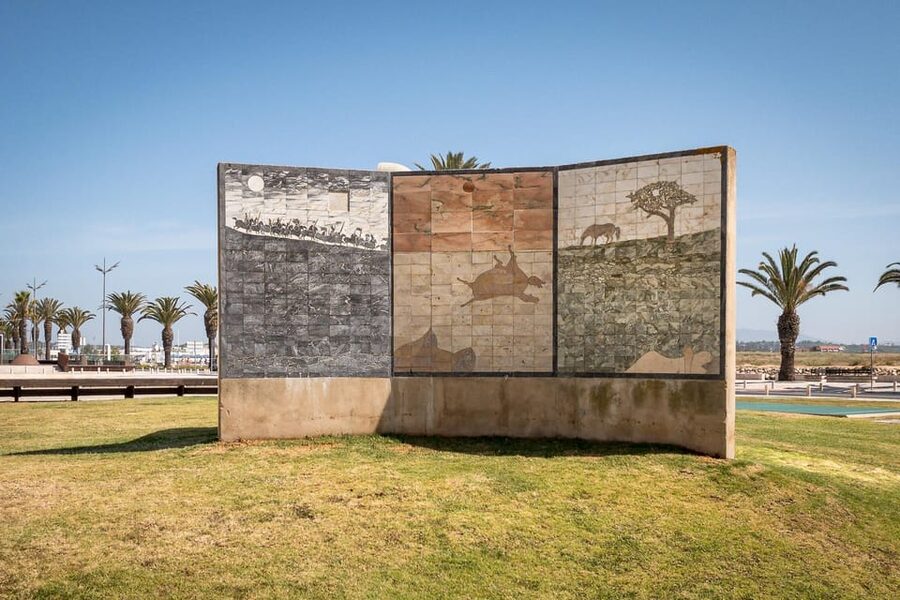
Leaving the old town via Saint Gonçalo’s Arch is one of those transitions that makes the walk feel like a loop with purpose. Arches like this are often more than decoration—they mark routes and movement through tight historic lanes.
For me, this stop is the moment the tour quietly shifts from “inland landmarks” to “sea time.” It’s a good reminder that Lagos is a coastal city. The next phase becomes about salt air and ocean light.
Praia da Batata and Ponta da Bandeira: the sea finale that gives your legs a reward
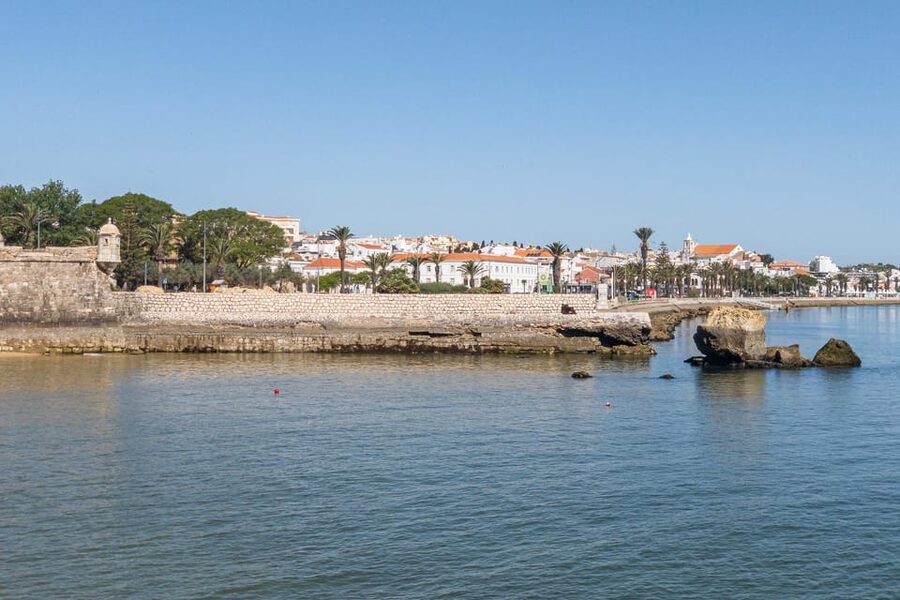
After Saint Gonçalo’s Arch, the route heads toward Praia da Batata, a beach area in Lagos. Then you’ll go to the Fort of Ponta da Bandeira’s Museological Nucleus.
This is a strong ending sequence because it does two things:
1) It rewards you for making it this far with a shoreline setting.
2) It closes the loop between fortifications and the coast.
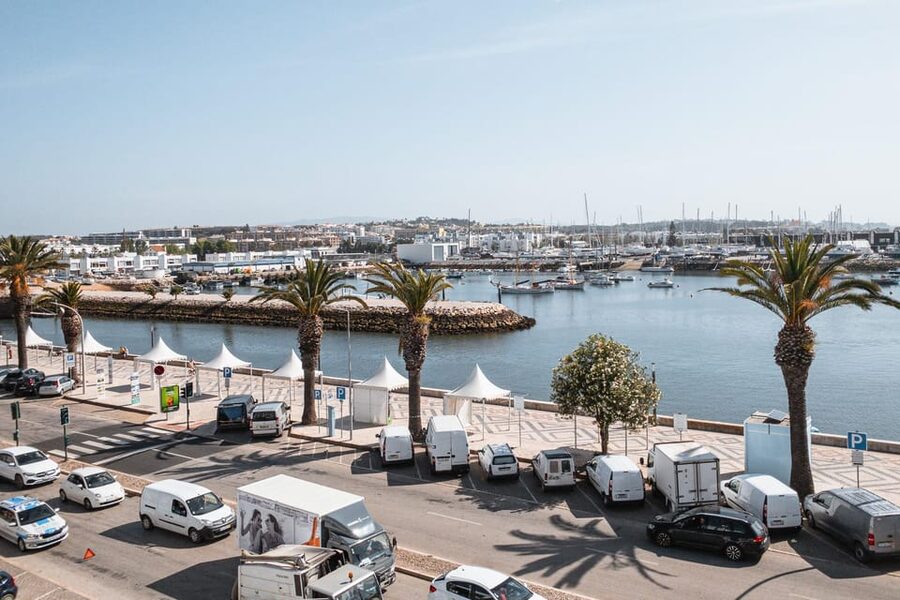
The Museological Nucleus is listed as part of the fort experience on this route, so you’ll have built-in context as you arrive. And then you finish with a scenic 600-meter stroll along the Avenida dos Descobrimentos seafront promenade back toward the start point.
Practical tip: if the weather is good, this is where you slow down. Take a breather and let the sea air reset your pace. The tour is only about 2 hours overall, so your “real rest” moment should be here, not during the middle of the old-town streets.
The route length and pacing: why 2.5 km feels easier than it sounds
You’re looking at a 2.5 km route that takes about 2 hours, depending on your pace and how many stops you actually enjoy. That’s an easy distance on paper, but it includes a lot of “pause points”—churches, squares, and forts—so it can stretch if you linger.
How to pace it for the best experience:
- Listen to the audio at the major landmarks.
- Skip or shorten some of the smaller stops if you’re hungry or your phone battery is dropping.
- Decide early if you want interior visits at paid attractions. Since tickets to paid sites aren’t included, your time might be better spent choosing one or two interiors rather than trying to do everything.
This tour is also designed so you can do it in full or in parts. If you don’t have the full 2 hours, you can still get something meaningful instead of feeling like you missed the whole thing.
Price and value at $7: what you’re really paying for
At $7 per person, the value comes from the combination:
- Walkbox app guidance in four languages
- Offline functionality
- Automatic audio playback while you navigate
- A route hitting 30+ points of interest
- Clear curator instructions and remote support (8:00 AM–8:00 PM via WhatsApp/SMS)
- Emergency assistance by phone
- The route includes prices and opening hours for attractions where applicable
You’re not paying for a live guide’s time. You’re paying for smooth navigation plus context at dozens of points of interest. For solo travelers, couples, and anyone who likes their travel with a little flexibility, this can be an excellent deal.
Two budgeting notes:
- Paid attraction tickets are not included.
- Because it’s smartphone-based, plan for one phone per person you’re booking for (the booking instructions specify you should book based on how many participants’ smartphones will be used).
Also, if you need flexibility, the tour offers free cancellation up to 24 hours in advance and has reserve-and-pay-later options.
Who this Lagos walk fits best (and who should skip it)
I think this tour is a smart fit if you:
- Like walking at your own pace
- Want historic landmarks without joining a group at set times
- Appreciate short, practical context that you hear right on the spot
- Travel with a charged smartphone and you don’t mind using an app as your guide
I’d be less excited if you:
- Prefer live human storytelling
- Don’t want to deal with app setup or audio playback
- Have mobility limitations, since it’s not suitable for people with mobility impairments
If you’re in-between—say you’re comfortable walking but you’re unsure about app logistics—do the setup the day before. That one step fixes most headaches.
Should you book this self-guided Lagos walk?
If your goal is to see Lagos’s historic core in a way that feels grounded and efficient, I’d book it. The route is short enough to fit into a day, and the mix of churches, squares, castle walls, and a sea-facing finish gives you a full picture without turning the walk into a marathon.
My biggest reason to hesitate is the app login friction that some people report. If you’ll have Wi‑Fi access before you go, you can reduce that risk a lot. Once you’re past setup, the experience sounds built for smooth, offline strolling with audio that keeps you oriented.
If you want a low-cost way to connect the dots between Lagos’s monuments and its seaside, this one is worth your time.
FAQ
How long does the walking tour take?
The tour takes about 2 hours, depending on your pace and which stops you choose to enjoy.
How far is the route?
The route covers about 2.5 km.
Where does the tour start and end?
It starts next to the Municipal Market and ends back at the same meeting point.
Does the Walkbox tour work offline?
Yes. Walkbox is designed to work offline.
What languages are available?
The tour content is provided in English, Portuguese, French, and Spanish.
Can I do the tour in parts or at a later time?
Yes. You can do the tour whenever you like within 5 days of your booking date, either in full or in parts.
Are attraction tickets included?
No. Tickets to paid attractions are not included.
More Tours in Lagos Portugal



More Tour Reviews in Lagos Portugal


More Lagos Boat & Kayak Outings in Lagos Portugal
Not quite it? Here is more to do along the Lagos Portugal coast that we have reviewed










Lagos Boat & Kayak Trips, compared.
 ★ 4.9From Lagos: Boat Cruise to Ponta da PiedadeFrom $213,346 reviews
 ★ 4.8Lagos: Boat Cruise to Ponta da PiedadeFrom $202,645 reviews
 ★ 4.7Lagos: Combo Dolphin and Benagil Tour with Marine BiologistFrom $632,352 reviews
 ★ 4.9Lagos: Ponta da Piedade Rock Formations Guided Boat TourFrom $202,290 reviews
 ★ 4.7From Lagos: Benagil Caves Speedboat AdventureFrom $382,211 reviews
 ★ 4.8From Lagos: Kayaking and Boat Cave Explorer TourFrom $411,988 reviews
 ★ 4.8Lagos: Guided Kayak TourFrom $401,639 reviews
 ★ 4.9Lagos: Dolphins & Caves – CatamaranFrom $581,512 reviews
Browse the lists this tour appears in