
Reviewed · LAGOS BOAT & KAYAK TRIPS
Lagos: Scuba Diving Experience for Beginners
If you’ve never done SCUBA, this gets you started fast. In Lagos, you learn the basics with a pro instructor and then get real water time, all in a small group of up to 8. I like the step-by-step structure (briefing, pool practice, then a supervised ocean session), and you’ll like that you’re shown exactly what to do before you’re ever far from the surface. One thing to consider: it’s not for non-swimmers or anyone who’s prone to seasickness.
The team’s approach is the other big plus. In the past, I’ve seen this course work because instructors stay patient when people feel awkward in the gear, and the service feels genuinely friendly—names you might hear include Delfina and Afonso, Iván, Margot, José, and Gerald. Still, you should be ready for hands-on coaching and rules like no touching marine life or plants, which means you’re there to observe and learn, not explore with your fingertips.
In This Review
- Key points I’d plan around
- SCUBA basics in Lagos, built for first-timers
- The two-part flow: briefing, pool practice, then the ocean session
- Your afternoon briefing and pool lesson (start here)
- The following morning ocean session (what “shallow” really means)
- What makes this course feel safe (even when you’re new)
- Gear included, but you still need to show up prepared
- Rules that affect your experience
- Price and value: what $165 buys you in Lagos
- Timing and what it means for your plans
- Meeting point: where to go in Lagos
- Who this experience suits best
- Languages and group size: why it matters underwater
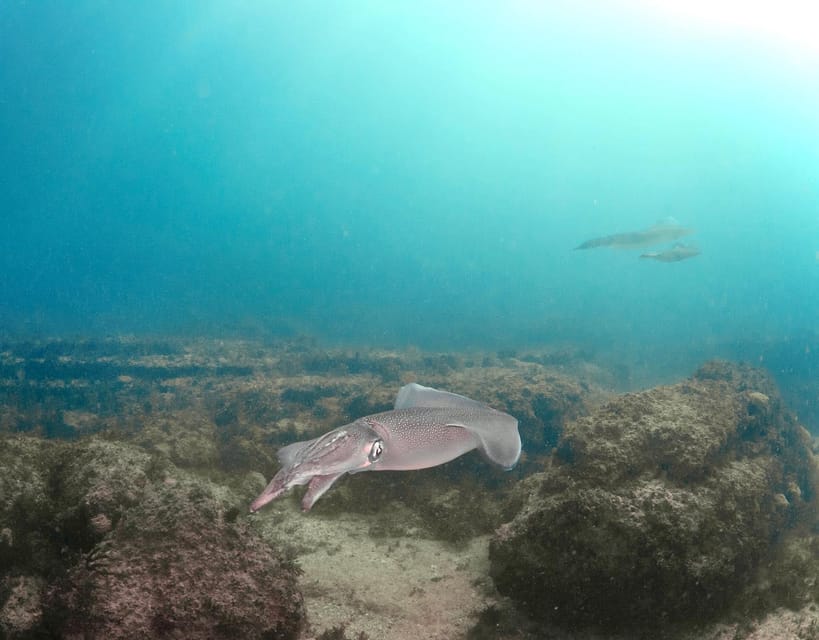
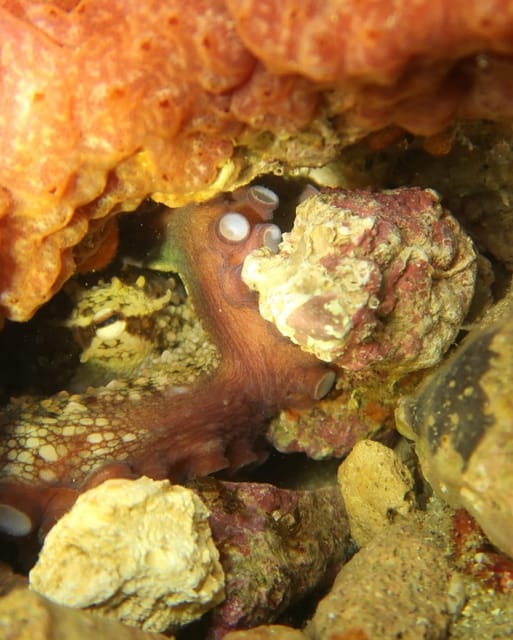
- What you’ll likely see: marine life with rules attached
- Common beginner worries, handled the right way
- I’m afraid I’ll panic.
- I’m worried I won’t remember everything.
- I’m nervous about seasickness.
- Should you book this SCUBA starter experience in Lagos?
- FAQ
- Do I need a scuba certification to join?
- What happens during the afternoon portion?
- When do I do the ocean session?
- Is scuba equipment included?
- What should I bring with me?
- Is this suitable for non-swimmers or people prone to seasickness?
Key points I’d plan around
- Small group (max 8): more time with your instructor than a giant class.
- Pool practice first: you’ll run simple exercises before the ocean portion.
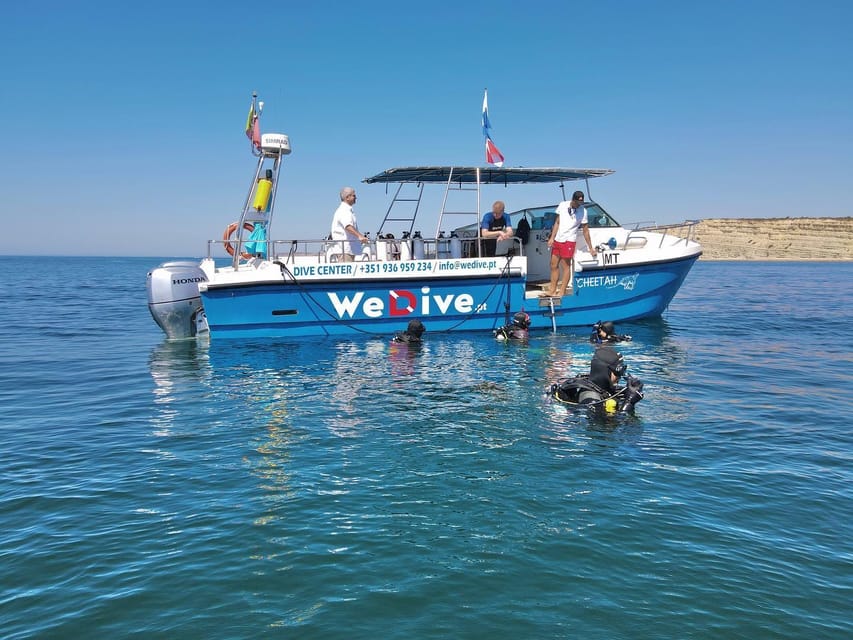
- Shallow ocean session by boat: you’ll be taken to a training spot and supervised the whole time.
- Gear + snacks included: equipment is provided, and there are cookies, tea, and water on board.
- Instructor languages: English, Spanish, German, Portuguese, and French.
- Min age is 10: great for older kids and teens ready for the discipline.
SCUBA basics in Lagos, built for first-timers
Lagos is a smart place to start because the goal here isn’t bravado. The course is designed to teach you the basics in a way that feels doable, even if you’re nervous about equipment, breathing, or being in open water.
You’ll begin with a theoretical briefing. This is where the instructor sets expectations: how SCUBA works, what you’ll practice, and what you should do if something feels off. Then you move to the pool, where you get your hands on the skills in a controlled setting. After that, the ocean session is scheduled for the following morning, with a boat ride to a shallow training area where you can look for marine life.
Here are more Lagos boat trips and paddle outings we have been out to review around Lagos Portugal.
The two-part flow: briefing, pool practice, then the ocean session
This experience is split on purpose: training in the pool reduces the scary unknowns, and the next-morning ocean time turns your new skills into something real.
Your afternoon briefing and pool lesson (start here)
In the afternoon, you’ll get the classroom-style overview, then you’ll practice in the pool. The pool segment matters more than people think. It lets you learn how your body and gear behave when you’re actually breathing underwater—without waves, without long swims, and without the extra pressure of open-water conditions.
Expect basic concepts and simple exercises. The key is that your instructor is right there with you, explaining and adjusting as you go. If you start out clumsy (most people do), this is the stage where you’ll get corrected before it counts.
The following morning ocean session (what “shallow” really means)
You’ll schedule the ocean portion directly with the dive center. The plan is a shallow training spot reached by boat. That detail is valuable for beginners because shallow water tends to make everything feel calmer: you can orient yourself more easily, and if you need to regroup, you’re still in an environment that’s easier to manage.
The ocean session is about exploration and observation too. You’ll be looking for marine life, but with strict rules: no touching marine animals and no touching plants. That’s not just for conservation—it’s also part of staying safe and keeping the underwater experience respectful.
What makes this course feel safe (even when you’re new)
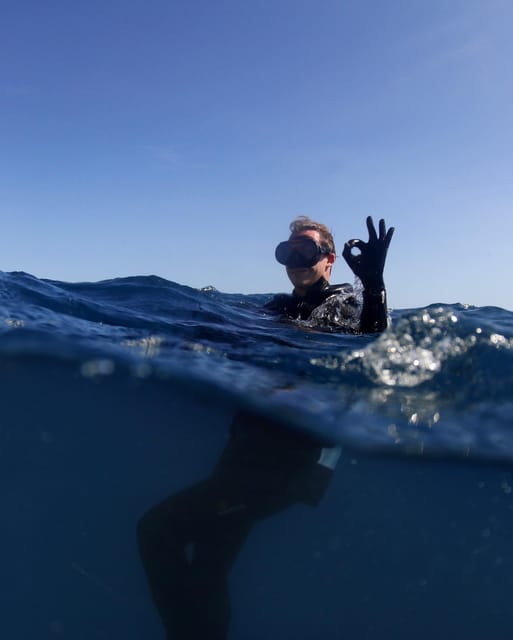
Safety here comes from structure and supervision, not from hoping you’re naturally fearless.
A few things are built in:
- Supervision by a SCUBA instructor the whole time. You’re not left to figure it out alone.
- Equipment is included. You won’t be troubleshooting gear choices while trying to learn breathing control.
- Practice happens before open water. The pool lesson gives you a chance to understand the basics in a low-stress environment.
Also, the team’s communication seems to be a big part of why people feel comfortable. In past groups, people highlighted very patient guides and a friendly vibe when learners struggled. Names that showed up in feedback include Delfina, Afonso, Iván, Margot, José, and Gerald—so if you’re nervous, it helps to know the instructor style tends to be calm and encouraging.



Gear included, but you still need to show up prepared
One of the easiest ways to judge value is to check what’s included. This experience includes scuba equipment, plus the instructor supervision and the two learning components (pool and ocean session). You’re also provided snacks on the boat—cookies, tea, and water—which is a small detail that helps on a morning where you might not want to think about food.
What you need to bring yourself:
- Hat
- Swimwear
- Towel
- Sunscreen
- Water
You’ll also want to avoid forgetting the towel; it’s not included. Flip flops aren’t included either, so plan for comfortable footwear choices for getting to and from the water.
Rules that affect your experience
You must follow a few clear no-go items:
- No smoking
- No touching marine life
- No touching plants
For beginners, these rules are actually helpful. They reduce the temptation to grab at things underwater and keep the focus on proper technique and calm observation.
Price and value: what $165 buys you in Lagos
At $165 per person for the SCUBA experience package, you’re paying for more than a single water moment. The price covers:
- the theoretical briefing
- the pool lesson
- the supervised ocean session
- scuba equipment
- boat snacks (cookies, tea, water)
That’s the big value equation: you’re buying guided training plus equipment plus a real transition from pool to sea. If you’ve ever tried to cobble together lessons, rentals, and separate bookings, you know how quickly costs and hassle stack up.
There is an optional add-on: a photo service at 35€ per person, only available with anticipated booking in high season (June–September). If you want photos, think ahead rather than assuming you can add it last-minute.
Timing and what it means for your plans
This activity is listed as 3 hours, but the course runs like a two-step experience: pool practice in the afternoon, then the ocean session the next morning.
So you should plan your schedule with a bit of breathing room. Don’t book something tight right after the pool segment, and don’t assume you can sleep in if you want a smooth start to the ocean morning. Also note that alternative schedules may be available if you contact the center.
Meeting point: where to go in Lagos
You’ll meet at the dive center located in Edifício Astrolábio, bloco 24, loja 4.
Getting to that point early helps. Beginners often spend their first minutes double-checking gear and timing, so arriving with extra buffer keeps the start calm instead of rushed.
Who this experience suits best
This course is a great fit if you want training you can actually use—without needing certification.
It’s suitable for:
- First-timers
- People who’ve tried SCUBA before but don’t have certification
It’s not suitable for:
- Children under 10
- Non-swimmers
- People with heart problems
- People prone to seasickness
There’s also a practical bonus: wheelchair accessible is listed, which suggests the operator has considered access needs.
Languages and group size: why it matters underwater
The instructor languages include English, Spanish, German, Portuguese, and French. That matters because SCUBA basics depend on clear explanations. If you’re not fluent, misunderstandings can turn into stress fast. When the instructor can teach in your language, you’ll likely absorb the safety rules quicker and feel more confident during practice.
The group is capped at 8 participants, which is a sweet spot. You’re not invisible. You’re also not packed into a class where your instructor can’t spend enough time with you.
What you’ll likely see: marine life with rules attached
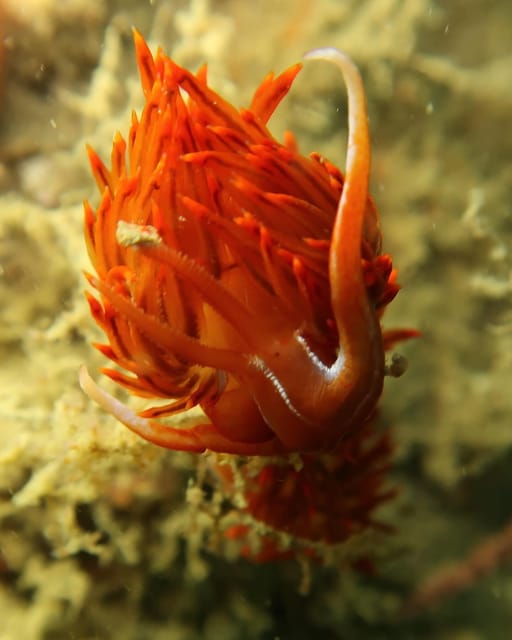
The ocean session is focused on marine exploration and looking for marine life. You’ll be taken to a shallow training spot by boat, and you’ll have instructor supervision so you stay oriented and safe.
Because you’re required not to touch marine life or plants, your viewing experience becomes more about watching and learning. That’s often the way to have the best experience anyway: you notice more when you’re not constantly reaching.
Common beginner worries, handled the right way
Here are the big concerns people usually have at the start, and how this course setup helps.
I’m afraid I’ll panic.
The pool lesson gives you a rehearsal space. You learn what to do before you face ocean conditions. That lowers the odds of panic when things feel strange.
I’m worried I won’t remember everything.
That’s why the instructors stay with you. You’re not expected to perform perfectly on day one. You’re coached through the basics and supported during the training steps.
I’m nervous about seasickness.
This is important: the experience is not suitable if you’re prone to seasickness. If you’re on the fence, be honest with yourself. This is the kind of activity where feeling sick won’t just ruin the fun; it can interfere with safety and your ability to learn.
Should you book this SCUBA starter experience in Lagos?
If you want a beginner-friendly package that covers pool training + a supervised ocean session + equipment, this is the kind of course that makes sense. The structure is practical: you learn first, you practice next, and you only then step into the sea.
Book it if:
- you’re new to SCUBA or not certified yet
- you want clear instruction in a small group
- you’d rather learn in coaching sessions than piece it together yourself
Skip it if:
- you can’t swim
- you have heart issues
- you’re prone to seasickness
- you’re traveling with someone who needs an easy, hands-off activity (this is guided training, not a casual sightseeing swim)
FAQ
Do I need a scuba certification to join?
No. This experience is described as ideal for beginners and also for those who may have prior experience but do not hold a certification.
What happens during the afternoon portion?
You start with a theoretical briefing, then you do a pool lesson. The pool session includes basic diving concepts and simple exercises, taught with instructor guidance.
When do I do the ocean session?
The ocean portion is scheduled for the following morning. You arrange the timing with the dive center.
Is scuba equipment included?
Yes. Scuba diving equipment is included in the experience.
What should I bring with me?
Bring a hat, swimwear, a towel, sunscreen, and water.
Is this suitable for non-swimmers or people prone to seasickness?
No. It’s not suitable for non-swimmers or people prone to seasickness. It’s also not suitable for people with heart problems.
More Tour Reviews in Lagos Portugal
More Lagos Boat & Kayak Outings in Lagos Portugal
Not quite it? Here is more to do along the Lagos Portugal coast that we have reviewed




Lagos Boat & Kayak Trips, compared.
 ★ 4.9From Lagos: Boat Cruise to Ponta da PiedadeFrom $213,346 reviews
 ★ 4.8Lagos: Boat Cruise to Ponta da PiedadeFrom $202,645 reviews
 ★ 4.7Lagos: Combo Dolphin and Benagil Tour with Marine BiologistFrom $632,352 reviews
 ★ 4.9Lagos: Ponta da Piedade Rock Formations Guided Boat TourFrom $202,290 reviews
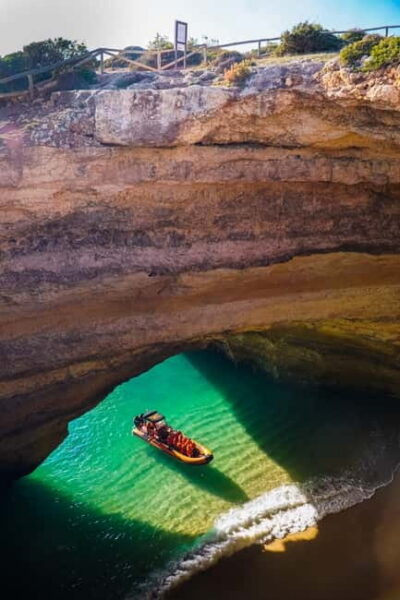 ★ 4.7From Lagos: Benagil Caves Speedboat AdventureFrom $382,211 reviews
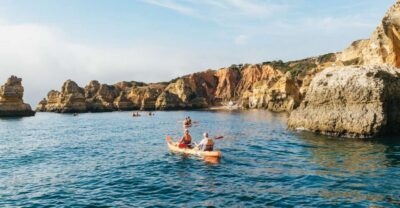 ★ 4.8From Lagos: Kayaking and Boat Cave Explorer TourFrom $411,988 reviews
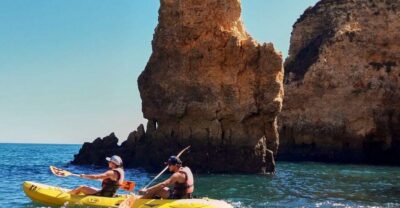 ★ 4.8Lagos: Guided Kayak TourFrom $401,639 reviews
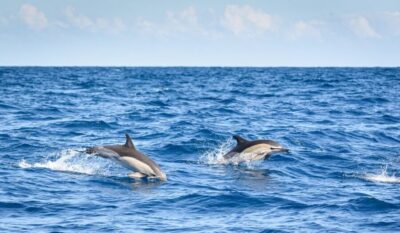 ★ 4.9Lagos: Dolphins & Caves – CatamaranFrom $581,512 reviews
Browse the lists this tour appears in