
Reviewed · RIA FORMOSA LAGOON CRUISES
Laid-back birdwatching week
A quiet week of birds is not boring. This laid-back Algarve birdwatching trip pairs guided site time with real rest built in, so you can focus on what you’re actually seeing, from Ria de Alvor to Castro Verde. Two things I love: the pacing (it’s not a sprint) and the chance to learn with a steady, friendly approach from guides like Gui. One drawback to plan for: you’ll want your birding kit ready, since binocular rental is possible but not included.
You also get a full board setup for most of the week, with breakfast, lunch, and dinner included (7 of each). Add a small maximum group size of 8 people, and the whole rhythm feels personal instead of chaotic. The week is timed from a 2:00 pm start at A ROCHA Life (Cruzinha), and it ends back at that same meeting point.
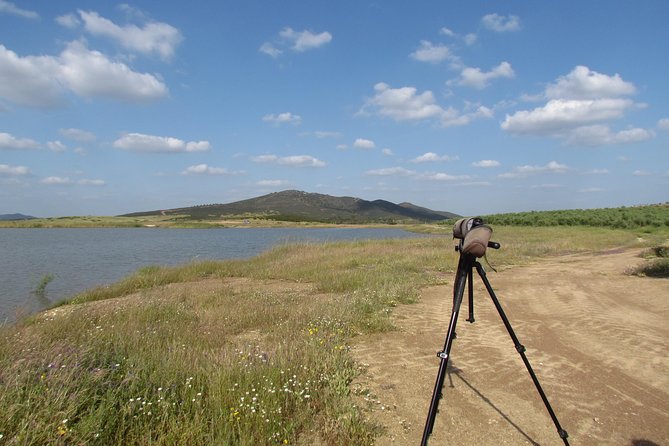
The birding itself covers a smart mix: coastal wetlands, inland hills, and farmland areas. It also adds culture without turning it into a museum marathon, including Silves castle and time to look around the region’s history.
In This Review
- Key points to know before you go
- A ROCHA base, slow Algarve days, and small-group birding
- Day 1: Ria de Alvor Nature Reserve sets the week’s tone
- Day 2: Sagres Fortress birding along the coastal edge
- Day 3: Caldas de Monchique brings the hills into play
- Day 4: Alvor boardwalk in the morning, dunes in the afternoon
- Day 5: Lagoa dos Salgados and A Rocha’s conservation work
- Day 6: Castro Verde countryside and Igreja da Misericordia
- Day 7: Silves castle, museum time, and possible Arade river birding
- Day 8: Quinta do Lago South wetlands before your departure
- What you’ll learn with guides like Gui (and why new birders enjoy this pace)
- Price and value: what you get for $2,140.11 per person
- Practical tips that make the week smoother
- Should you book this laid-back birdwatching week?
- FAQ
- How long is the birdwatching week?
- What time does the experience start, and where do I meet?
- What meals are included?
- Are admission tickets included?
- Are binoculars included?
- How many people are in the group?
- What happens if the weather is poor?
Key points to know before you go
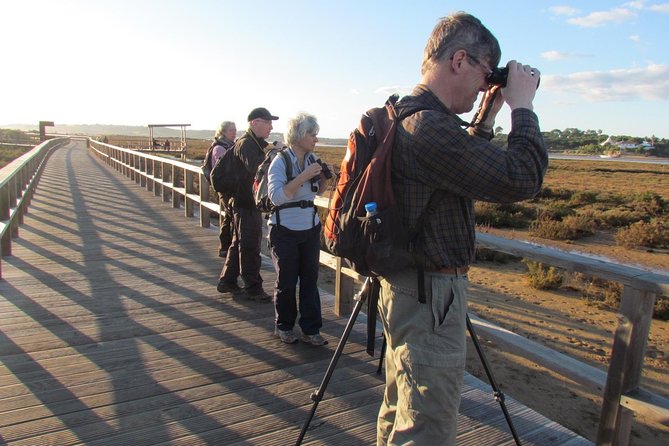
- Small group (max 8) keeps the birding calm and the teaching easier to follow.
- Full board for 7 days means you’re not hunting for meals after every long walk.
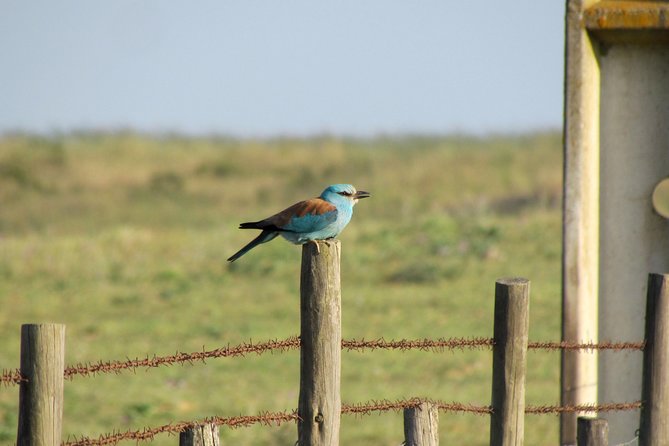
- A mix of habitats (coast, dunes, wetlands, hills, ricefields) boosts your chances of seeing different bird types.
- A Rocha hosting culture comes through, with kind welcome from people like Marcial and Paola.
- A good fit for new birders if you want a relaxed pace and real learning, not a test.
- Binocular planning matters since rental is possible but not included.
A ROCHA base, slow Algarve days, and small-group birding
This is the kind of trip that works when you prefer steady days over constant rushing. The tour runs about 8 days, starting at 2:00 pm at A ROCHA LifeCruzinha in Portugal, and ending back at the same meeting point. A key detail is the group size: up to 8 people, so you get space for quiet scanning and time to ask questions.
The “full board” setup is more than a comfort perk. When breakfast, lunch, and dinner are handled for most of the week, you can show up in the field with less stress. It also helps with pacing. Instead of spending your best birding hours solving logistics, you spend them looking at reeds, shorelines, fields, and trees.
Another practical win: most of the birding stops list free admission, and one museum stop includes admission on its day. That keeps your spending predictable and keeps your attention where it belongs—on the natural areas.
And yes, it’s birdwatching, but the week doesn’t ignore culture. Silves gets its own time for castle and museum, with a practical side trip possibility for birds around nearby ricefields by the Arade River.
See more Ria Formosa lagoon cruises and island-hopping trips across Lagos.
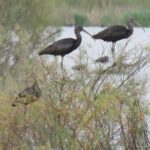
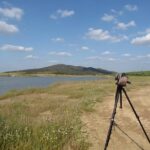
Day 1: Ria de Alvor Nature Reserve sets the week’s tone
Your first birding focus is the Ria de Alvor Nature Reserve. You’re picked up at Faro airport, then you’ll get an afternoon birdwatching session. The duration is 2 hours, and that shorter first day is a smart move if you’re arriving from travel.
Why this stop matters: a coastal wetland is a great place to reset your bird senses. You’ll be in the kind of habitat where different species can show up in cycles—some visible early, others later—so even a shorter session can feel productive.
This day is also helpful for setting your expectations. It’s not an all-day “marathon walk.” You get time to settle in, check out the reserve, and start learning the patterns of how the group works together: scanning, pausing, and then moving only when there’s a good reason.
Day 2: Sagres Fortress birding along the coastal edge
On Day 2, the focus shifts to Sagres Fortress, with 6 hours of birdwatching around the area. This is a longer day, and it suits people who can handle a full morning-to-afternoon flow.
Why Sagres works for birds: this part of southern Portugal sits right near the ocean, so you tend to get a mix of birds tied to coastal waters, plus those that use cliffy or windswept areas. Even without you chasing every single direction, the coastal setting naturally creates bird “beats” where movement and feeding activity show up.
The watch style here is likely less about long, straight walks and more about positioning. With 6 hours, the timing can matter too—birds can shift as light changes and the day’s temperature settles. If you bring layered clothing, you’ll be glad you did.
A reasonable consideration: if you dislike long outdoor stretches, Day 2 may feel like the most demanding day of the week. The upside is that it’s guided and timed to keep you in the field for purposeful viewing, not wandering.
Day 3: Caldas de Monchique brings the hills into play
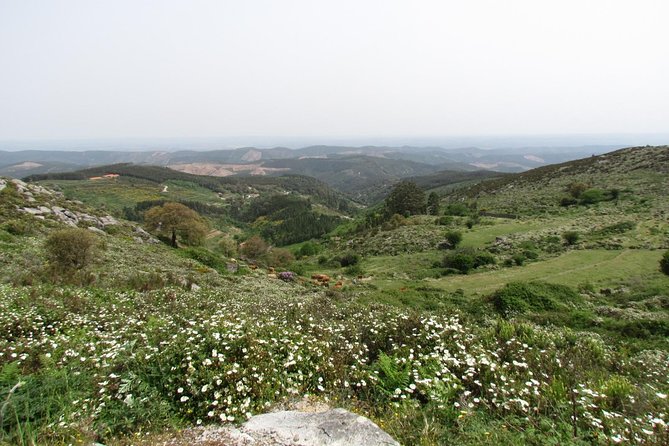
Day 3 takes you to Caldas de Monchique for birdwatching in the Monchique hills, again for 6 hours. This is your upland contrast day.
Coastal birds and hills birds can be very different. Even if you’re not chasing a checklist, having habitat variety is what helps the week feel like more than one long repeat. The hills can change the kinds of calls you hear, the way birds move through vegetation, and the overall rhythm of watching.
This is also a day where you’ll want comfort in footwear and clothing. Hill areas can mean uneven ground and changing conditions. If you’re sensitive to temperature swings, bring a layer you can add or remove quickly.
If you’re new to birding, this is one of the best days to learn because you get the “before and after” feeling: you’ve watched wetland and coastal birds, and now you’re shifting to a different environment that rewards careful observation.
Day 4: Alvor boardwalk in the morning, dunes in the afternoon
Day 4 combines a free morning with birdwatching during the afternoon at the Alvor dunes, for 3 hours. This is a nice compromise day. You get breathing room, plus a shorter birding block that keeps the week from turning into nonstop effort.
Why the dune setting can be good: dunes and nearby ground cover can attract birds that prefer open or semi-open areas. Even when you’re not sure what you’re looking for yet, dunes encourage you to notice motion, perches, and small changes in behavior.
This day also shows you how the trip design protects downtime. That matters because tired eyes miss things. If you’re the type who benefits from a reset, you’ll appreciate a day built like this.
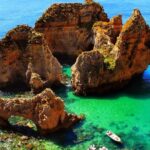
Day 5: Lagoa dos Salgados and A Rocha’s conservation work
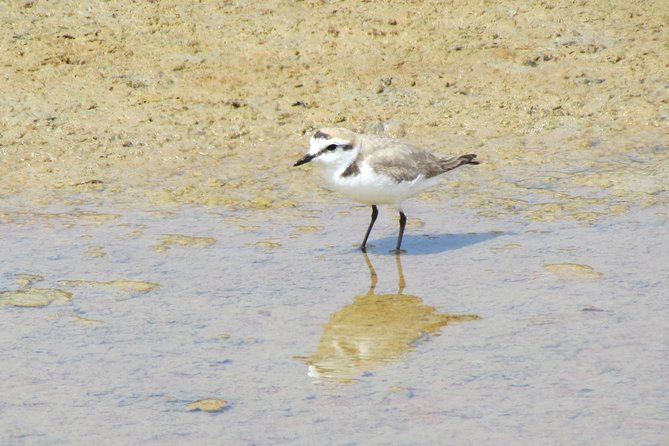
Day 5 is centered on Lagoa dos Salgados and includes time at the A Rocha charity, then birdwatching at the lagoon in the afternoon. The total listed duration is 3 hours.
This is one of the most “values-forward” days. A Rocha is known for conservation-focused action, and that theme can change how you experience wetlands. Instead of viewing them as scenery, you start noticing habitat health: water edges, reed beds, and the idea that protection affects what birds can survive and breed in the area.
The Lagoa dos Salgados setting is also a great place to learn practical bird skills. In many wetland areas, birds can be partially hidden, so the ability to scan systematically helps. If you’re new, this kind of site can feel like a gentle training ground.
The shorter day length helps too. After full-on coastal and hills days, 3 hours can feel like you’re getting the best parts without feeling overbooked.
Day 6: Castro Verde countryside and Igreja da Misericordia
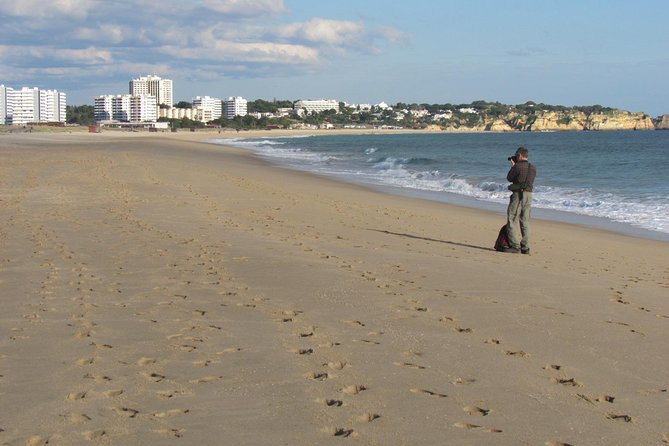
On Day 6, the stop is Igreja da Misericordia de Castro Verde, with 8 hours around Castro Verde for birdwatching. This is the long one.
Castro Verde areas can feel more “countryside” than “wetland,” so birds may show up differently. Instead of watching waterlines and reeds, you’ll likely spend more time focused on open ground, vegetation edges, and movement patterns that appear across fields.
The practical takeaway: pack for long sitting and standing. Even if the group keeps moving, there can be stretches where you pause and watch. Bring sun protection, and consider layers even on warm days, since wind can flip conditions.
One more consideration: since this is an 8-hour day, it’s not where you want to push through if you’re already exhausted from previous long sessions. The upside is that the guided structure gives you time in the right areas, not guesswork.
Day 7: Silves castle, museum time, and possible Arade river birding
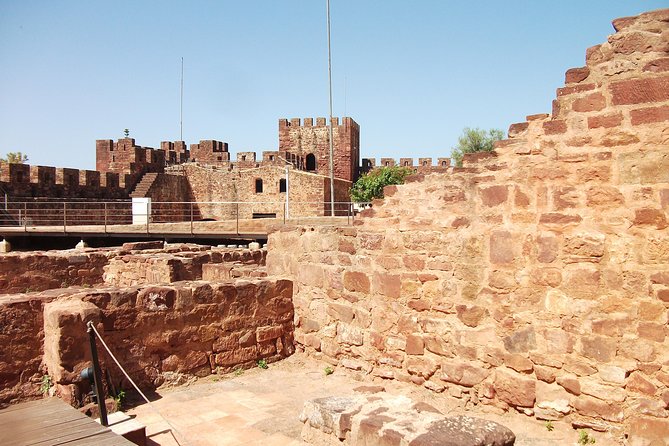
Day 7 is a mix of history and birds. You’ll visit Castelo de Silves and the museum, with 4 hours total. There’s also the possibility of birdwatching near ricefields by the Arade river.
Why this mix makes sense: ricefields and water-adjacent farmland can be bird magnets, but you also get a real sense of place in Silves. A castle and museum stop adds context for how people shaped the region, and then you can look at the land again through a bird-focused lens.
This is also a good day if you want variety without losing the bird theme. Instead of being dragged through a long city day, you get a compact cultural block, then a chance to connect what you see around the river to the birds you’re hoping to spot.
If you’re trying to get your bearings in the Algarve, Silves is one of the more informative stops on the list.
Day 8: Quinta do Lago South wetlands before your departure
Your last birdwatching slot is at Quinta do Lago South, with a 3-hour wetlands session before departure. It’s timed around the Faro airport area.
This is a clever ending. You’re not ending with a rushed transfer. You’re ending with one more chance to watch water and wetland edges, in a setup that’s close to where you’re leaving.
It’s also a nice way to finish the week’s habitat journey. After wetlands earlier in the trip, hills and countryside, you return to water-adjacent space. If you’ve built good birding habits during the week—slower scanning, patience, asking questions—this final stop is when those habits pay off.
What you’ll learn with guides like Gui (and why new birders enjoy this pace)
If you’re brand new to birdwatching, the best part isn’t just what birds you see. It’s how you see them: how to slow down, how to spot movement, and how to compare size, shape, and behavior rather than relying only on a flash of color.
This trip’s tone is relaxed, and that matters. One new birder highlighted that the relaxed style was just right, and they also mentioned seeing 100 new species during the week. The guide named Gui was described as a fearless guide, which lines up with what you want from a good birding leader: calm confidence in the field and the ability to keep the group moving only when it helps your viewing.
The hosts Marcial and Paola were also described as wonderful, which hints at a welcoming base environment. That kind of welcome can make a difference if you’re arriving as a novice and feeling a little unsure of yourself.
A practical note: you might be cautious if you struggle with sleep, since at least one person flagged the lodging facilities as something to consider. The data doesn’t spell out details, so the safest move is to ask what sleeping arrangements are like before you commit, especially if you’re a light sleeper.
Price and value: what you get for $2,140.11 per person
At $2,140.11 per person, this is not a budget birding getaway. But the value is easier to see once you count what’s included.
You get:
- 8 days of guided birdwatching across multiple habitats
- Full board for 7 breakfasts, 7 lunches, and 7 dinners
- Many stops with admission tickets listed as free
- Silves castle and museum admission included
- A small group cap of 8
- A mobile ticket format
That combination matters because birding weeks can get expensive fast once you add guiding, transfers, and meals. Here, meals are handled and the trip is structured so you’re not paying extra for every museum or reserve entry.
The one notable extra item is binoculars. The data says it’s possible to rent binoculars, but it’s not included. If you don’t have your own, budget time (and money) to plan for that.
Is it worth it? If you want a calm week where you can learn and watch, and you’re okay paying for guided time plus meals, it makes a strong case. If you’re looking for a low-cost bird hunt where you do everything yourself, this won’t feel like the best match.
Practical tips that make the week smoother
Binoculars matter. The trip doesn’t include them, though rental may be available. If you have even basic binoculars, bring them. If you don’t, contact ahead to confirm rental options.
Bring layers. Coastal and wetland areas can shift quickly. Even when it feels warm, wind and damp air can make a difference.
Think footwear. Several days are built around long outdoor blocks (like 6 to 8 hours). You want shoes that handle uneven ground without chewing up your feet.
Use the free morning on Day 4 wisely. That downtime is part of the design. If you use it to rest your eyes and body, you’ll enjoy the afternoon dunes session more.
And go in with patience. The week is paced for seeing birds, but birding isn’t like checking boxes at a store. Some days will feel more active than others, and the calm approach helps you stay relaxed when the action pauses.
Should you book this laid-back birdwatching week?
Book it if:
- You want a small-group, calm birding week instead of a rushed checklist tour
- You like the idea of full board so your days aren’t tangled up with meal decisions
- You enjoy learning in the field and want time in coastal wetlands, hills, countryside, and river farmland
- You want cultural context too, with a real block in Silves
Skip it or reconsider if:
- You’re tightly budgeted and need the lowest possible cost
- You dislike long outdoor days, especially the 6- to 8-hour blocks
- You need binoculars but don’t want to arrange rental ahead of time
FAQ
How long is the birdwatching week?
It runs for 8 days approximately.
What time does the experience start, and where do I meet?
The start time is 2:00 pm. The meeting point is A ROCHA LifeCruzinha Apartado 41, 8500-132, Portugal.
What meals are included?
Breakfast, lunch, and dinner are included for 7 days each.
Are admission tickets included?
Admission tickets are listed as free for most birdwatching stops, and the Silves castle and museum admission is included on Day 7.
Are binoculars included?
Binoculars are not included. It is possible to rent binoculars.
How many people are in the group?
The tour has a maximum of 8 travelers.
What happens if the weather is poor?
This experience requires good weather. If it’s canceled due to poor weather, you’ll be offered a different date or a full refund.
If you want, tell me your birding level (total beginner, intermediate, or serious) and what dates you’re considering, and I’ll help you match this week to your expectations and packing needs.
More Tour Reviews in Lagos
More Ria Formosa Lagoon Trips in Lagos
Not quite it? Here is more to do along the Lagos coast that we have reviewed

Ria Formosa Lagoon Cruises, compared.
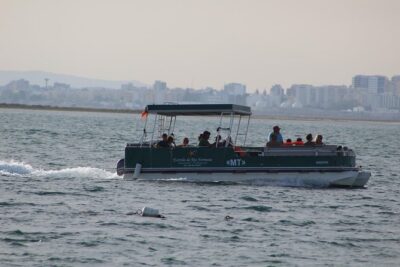 ★ 5.04 Stops | 3 Islands & Ria Formosa Natural Park – From FaroFrom $483,080 reviews
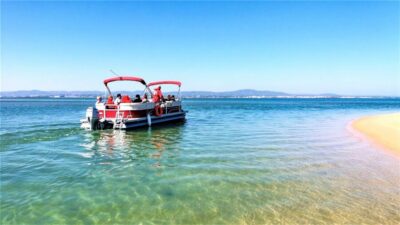 ★ 4.8Faro: Ria Formosa Faro Islands Boat TourFrom $472,588 reviews
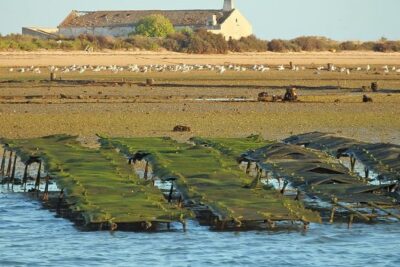 ★ 5.0Ria Formosa – Boat trip to the 3 Islands: Armona | Culatra Island | LighthouseFrom $481,872 reviews
 ★ 5.0Ria Formosa Natural Park and Islands Boat Cruise from FaroFrom $511,314 reviews
 ★ 4.6From Faro: 4 Stops, 3 Islands in Ria Formosa Catamaran TourFrom $471,129 reviews
 ★ 5.02 Stop | 2 Islands & Ria Formosa Natural Park – From FaroFrom $421,045 reviews
 ★ 4.8From Olhão: Ria Formosa 3-Island Full-Day TourFrom $45993 reviews
 ★ 4.6Faro: Deserta Island and Farol Island Catamaran Boat TripFrom $47955 reviews
Browse the lists this tour appears in