
Reviewed · ALGARVE TUK-TUK & SEGWAY TOURS
Meet Santa Luzia / Capital do Polvo / Salinas in a 100% electric Tuk Tuk
You’ll cover more Tavira in less effort. A 100% electric tuk-tuk makes it feel easy to move between the city center, salt flats, and the fishing village of Santa Luzia, without tiring your legs. I also like that you get a private guide with space to ask questions as you go, especially around the local salt-and-octopus culture. The only drawback is the whole thing is about 2 hours, so each stop is short and you’ll want to linger on your own after if something really grabs you.
This runs with multiple start times, so you can fit it around lunch or a late-morning stroll. Pickup is possible if you’re within about 2.5km of central Tavira, and you can request it when booking. Best of all, it’s set up for just your group, so you’re not stuck listening to other conversations while you try to understand what you’re seeing.
In This Review
- Key things to know before you ride
- Why a 100% electric tuk-tuk makes Tavira sightseeing easier
- Where you start in Tavira: Rua Gonçalo Velho 7 to the Roman Bridge area
- Stop 1: Praça da República and Rua da Liberdade (your center-stroll warm-up)
- Stop 2: Salina de Tavira Rui Simeão and the Atalaia passage
- Stop 3: Santa Luzia, the fishing village and Capital do Polvo
- Stop 4: Rua Jorge Amado and the 2,000-year olive tree
- Stop 5: Ponte Antiga return through rural paths to Rua Gonçalo Velho
- Price and value: what $66.16 gets you in real terms
- Who this tour suits best (and who may want to choose differently)
- Booking tips that will help your day go smoothly
- Should you book Maria’s Tuk Tuk to Santa Luzia and the salt flats?
- FAQ
- How long is the Maria’s Tuk Tuk tour?
- Where does the tour start and end?
- Is pickup available?
- What language is the tour offered in?
- Is this a private tour?
- Can I get a full refund if I cancel?
Key things to know before you ride
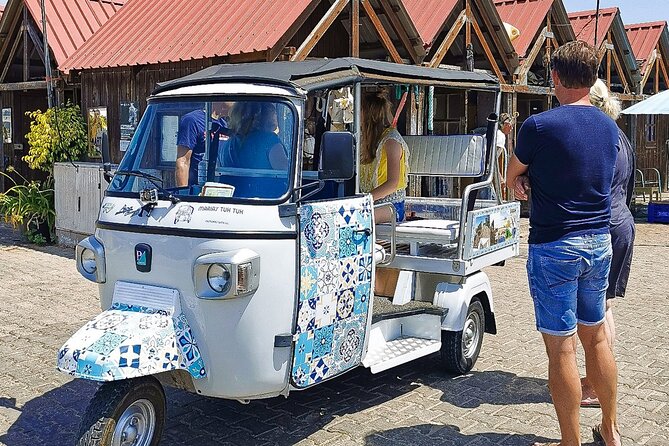
- 100% electric tuk-tuk keeps the ride low-noise and eco-friendly for stop-to-stop sightseeing
- Private guide means better Q&A than you’ll get on a bus-style tour
- Salt flats + fishing village are close enough to combine in one smooth loop
- Short, focused stops work well if you want highlights without a long day
- Roman Bridge finish nearby gives you an easy landing point back in central Tavira
Why a 100% electric tuk-tuk makes Tavira sightseeing easier
Tavira is the kind of town where you can fill a day fast just walking between sights. The trick with this tour is that it compresses that effort into a couple of hours, using a 100% electric tuk-tuk to bridge the distances. You get the change of scenery—center streets, salt pans, a fishing hamlet—without the fatigue spiral.
I also like the way the format supports real learning. A private guide can slow down when you’re curious, and speed up when you just want to see. That matters here, because salt flats and coastal fishing traditions are not always obvious from the outside.
One more practical point: the tuk-tuk helps you keep your day intact. If you’ve got other plans in Faro or along the Algarve coast, a 2-hour window is a nice way to add culture without stealing half your vacation.
Here are more tuk-tuk and segway spins through the streets of Faro.


Where you start in Tavira: Rua Gonçalo Velho 7 to the Roman Bridge area
The tour starts at R. Gonçalo Velho 7, 8800-349 Tavira, Portugal, and it ends back at the same meeting point area. If you know Tavira’s center, this is a handy starting pin because it keeps you from playing transit detective during the day.
It also sets you up for an easy follow-on. Since the tour wraps near the Roman Bridge of Tavira, you can extend your walk right away if you want a longer stroll, a coffee break, or a second look at viewpoints from the river area. Even if you don’t add anything, getting back to the same point keeps things simple.
Pickup is offered in the Tavira area (about a 2.5km radius from central Tavira). If you want that convenience, it’s worth requesting it during booking so your route starts smoothly.
Stop 1: Praça da República and Rua da Liberdade (your center-stroll warm-up)
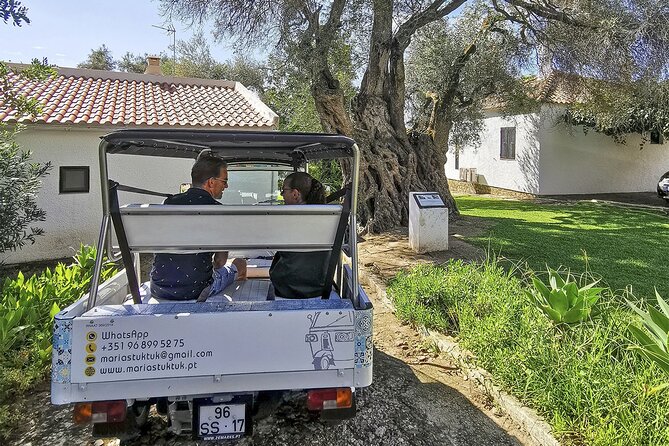
The first stop is Praca da Republica, with a walkway on Rua da Liberdade and Praça da República in the city center. This is a smart warm-up, because it orients you fast—streets, squares, and the feel of Tavira before you start moving outward toward the salt marshes.
You’ll get a free, low-pressure look at the historic core area without needing to schedule anything else. It’s also a good time to ask general questions, because your guide can explain what’s coming next: salt flats, then Santa Luzia, then the rural return.
The main consideration here is time. This is more “get oriented” than “deep exploration,” so if your favorite part of a trip is lingering in one square with a pastry and people-watching, plan to come back later.
Stop 2: Salina de Tavira Rui Simeão and the Atalaia passage

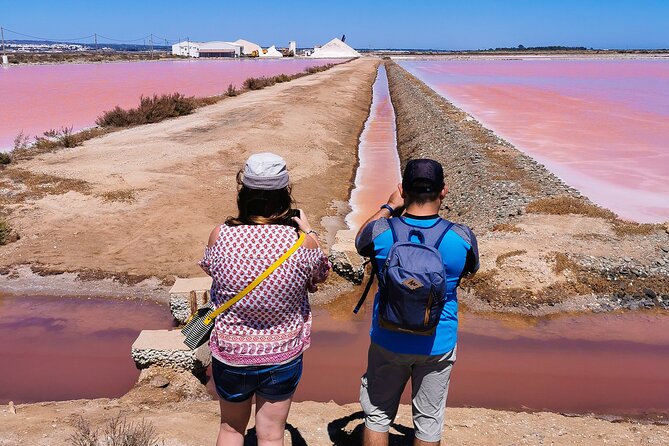
Next comes the salina de tavira rui simeao area, with a short passage and a stop at the salt flats plus a passage through Atalaia. This is one of the most interesting switches on the route: you go from stone streets to working coastal spaces, where the land and sea meet in a practical, human way.
The tour format is designed to keep you moving just enough to understand the flow. You’re not expected to wander for hours, but you do get guided time to connect what you see to what the locals do there. A good guide really matters at salt flats, because details like how people harvest and work the area aren’t always obvious at first glance.
From a travel-logic point of view, this stop works best if you like “quick and clear.” If you’re the type who wants to photograph every detail from multiple angles, you may feel the stop is short. Still, it’s a strong highlight in a tight schedule, and it sets up the Santa Luzia octopus theme that follows.
Stop 3: Santa Luzia, the fishing village and Capital do Polvo
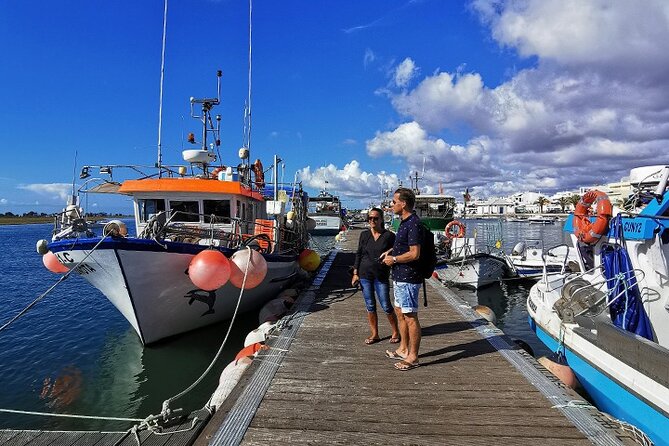
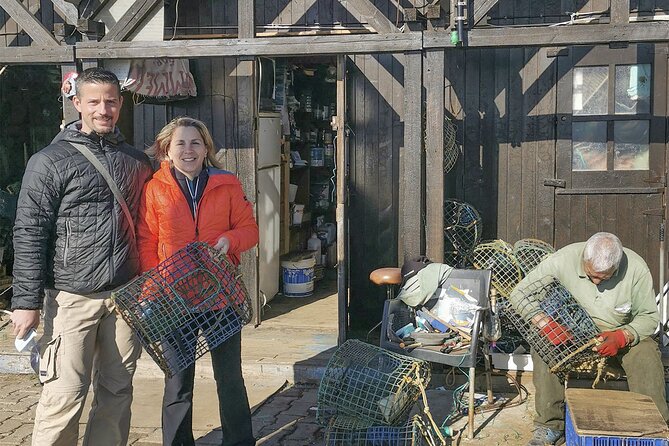
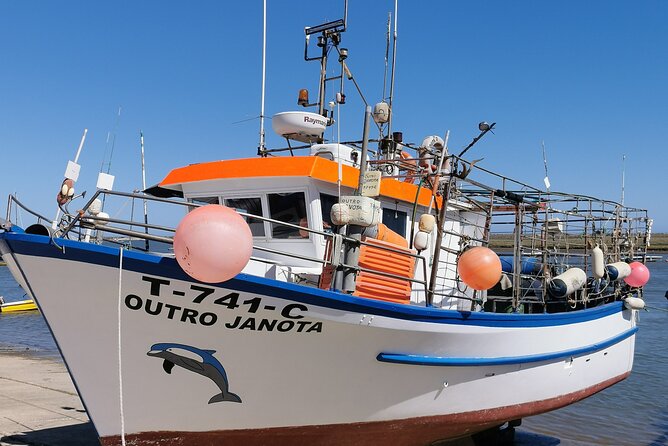
Then you hit Santa Luzia, described as the capital of octopus—capital do polvo. This stop is about 10 minutes, and that time window is perfect for tasting the mood of a fishing village without turning it into a marathon.
What I like about this stop is the contrast. Salt flats teach you about a landscape shaped by work and timing. Santa Luzia adds the human side on the water, and it gives you the octopus connection that makes the name feel real instead of like a marketing label.
The guided angle is a big part of why this works. The best payoff is when your guide connects what you’re seeing to the “how”—different techniques and daily logic behind fishing culture. Even if you’re not a deep seafood person, you can walk away with better context for why this village matters locally.
A practical note: you’ll likely want to take a slow look at nearby corners on your own after the tour. Ten minutes is enough to understand the theme; it’s not enough to satisfy full-on exploring urges.



Stop 4: Rua Jorge Amado and the 2,000-year olive tree

Stop four is Rua Jorge Amado, timed around a more than 2000-year-old olive tree from Tavira. This is a nice reset after the water-and-salt stops. Instead of focusing on the sea, you get a living landmark that represents long timelines—agriculture and land use—built into everyday scenery.
I really like a stop like this because it adds variety. Many tours stay stuck in one theme. Here, the route moves from city center to working salt pans to coastal fishing, then to a long-lived tree that anchors the area’s human history in a visible way.
Because the stop is about 5 minutes, don’t expect a full storybook lesson. But it’s a great moment to ask your guide what the tree means for local identity and how people talk about it in Tavira.
If you’re the kind of traveler who loves stopping for photos at any old doorway or tree, this is your moment. If you’re chasing only major sights, you’ll still find the olive tree a memorable, low-effort pause.
Stop 5: Ponte Antiga return through rural paths to Rua Gonçalo Velho
The final leg is Ponte Antiga, and the tour returns to Tavira through rural paths. This is more than just a ride back. The rural passage is where you feel the geography behind the stops—how central Tavira connects to the salt area and out toward Santa Luzia.
It also gives you a chance to settle in after the walking bits. If you’ve been outside in sun, the tuk-tuk ride can feel like a well-timed breather. And since the experience ends back at Rua Gonçalo Velho n7, you finish near the Roman Bridge of Tavira, which helps you make the transition to free time without getting lost.
In other words: the ending is designed to be convenient. You don’t just drop off somewhere random—you wrap up in an easy-to-navigate place.
Price and value: what $66.16 gets you in real terms
At $66.16 per person for about 2 hours, this tour isn’t priced like a quick hop on a shared bus. You’re paying for a few specific things that add up: a private experience, a 100% electric tuk-tuk, and a guided route that stitches together salt flats, Santa Luzia, and a standout olive tree.
Here’s how I’d think about value. If you want to cover multiple areas without spending your day on transport and walking, a tuk-tuk plan can save energy. If you also want context—how salt flats work and how fishing culture connects to Santa Luzia—that’s where the private guide helps justify the price.
If you’re traveling solo and hate group logistics, private formats often cost more. In that case, this price feels more reasonable because the ride time and route planning do a lot of heavy lifting for you.
If you’re mainly looking for self-guided photo time, you might find cheaper options. But you’d lose the guided pacing and the built-in logic of the route.
Who this tour suits best (and who may want to choose differently)
I think this tour is ideal for people who want a highlight loop without turning it into an all-day commitment. You’ll like it if you enjoy short walks, scenic stops, and learning enough to feel connected to what you’re seeing.
It also fits well for:
- couples and small groups who want quieter, more personal guiding
- first-timers to Tavira who want orientation plus a cultural theme
- anyone who’d rather sit than walk between center, salt flats, and coastal areas
It may not be your best match if you want long time in one place. Each stop is brief, and the tour is designed for breadth over deep immersion. If you’re the type who plans hours around one site, you’ll likely want to pair this with extra independent time afterward.
Booking tips that will help your day go smoothly
Choose a start time that lets you keep your other plans relaxed. Since there are multiple start times, you can pick one that avoids rushing.
If you’re sensitive to sun, the short stops can be a plus: you’re not stuck baking for an hour straight. Still, bring basic sun protection because outdoor parts include walking around the central streets and viewing the salt flats.
When you arrive, use the meeting point—R. Gonçalo Velho 7—as your anchor. Keeping it simple reduces stress, and you’ll spend more time actually sightseeing.
Also, since this is a private tour with only your group, decide beforehand how you like your pace. If you want quick photo stops, tell your guide. If you want more explanation, ask for it. Private guiding is at its best when you steer it.
Should you book Maria’s Tuk Tuk to Santa Luzia and the salt flats?
Yes, book it if you want a tight, efficient introduction to Tavira’s key “salt-and-sea” story. The mix of Santa Luzia (capital do polvo), the salina area, and that 2,000-year olive tree gives you variety in a couple of hours—without needing to manage transfers yourself.
Don’t book it if your dream day is long lingering in one village or a slow, self-paced walk from start to finish. This is a structured highlight tour. It’s meant to get you seeing fast, learning enough, and then letting you choose how to extend your day.
If you like private guiding, and you want an easy eco-friendly ride, Maria’s Tuk Tuk is a smart use of time in Tavira.
FAQ
How long is the Maria’s Tuk Tuk tour?
The tour lasts about 2 hours.
Where does the tour start and end?
It starts at R. Gonçalo Velho 7, 8800-349 Tavira, Portugal, and it ends back at the meeting point.
Is pickup available?
Yes. Pickup is available within about a 2.5km radius from the center of Tavira. You’ll need to advise where you want pickup when booking.
What language is the tour offered in?
The tour is offered in English.
Is this a private tour?
Yes. It’s a private tour/activity, and only your group participates.
Can I get a full refund if I cancel?
Yes. You can cancel up to 24 hours in advance for a full refund. If you cancel less than 24 hours before the start time, the amount paid isn’t refunded.
More Tour Reviews in Faro

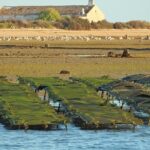
More Tuk-Tuk & Segway Spins in Faro

Not quite it? Here is more to do along the Faro coast that we have reviewed







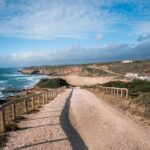



Algarve Tuk-Tuk & Segway Tours, compared.
 ★ 5.0TUK TUK Tour around Lagos Old & New Town & beaches – Best way to know LagosFrom $41488 reviews
 ★ 4.8Albufeira: Guided Tour by Tuk-TukFrom $37288 reviews
 ★ 4.8Tavira: Tuk-Tuk City TourFrom $45188 reviews
 ★ 4.9Faro: Ria Formosa Natural Park Segway Tour & BirdwatchingFrom $66180 reviews
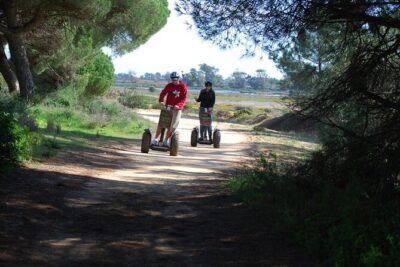 ★ 5.0Ria Formosa Natural Park Birdwatching Segway Tour from FaroFrom $70164 reviews
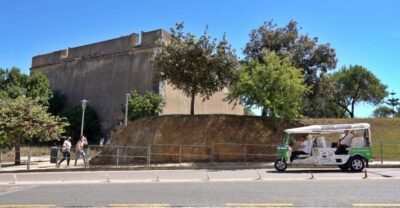 ★ 5.0Lagos: Old Town, New Town, and Beaches Tuk Tuk TourFrom $34146 reviews
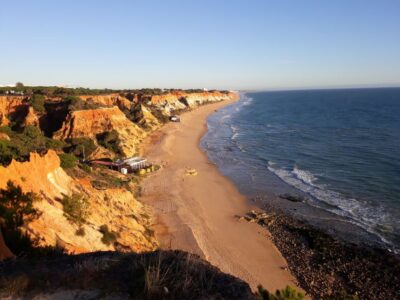 ★ 4.8Albufeira: Tuk-tuk Sightseeing TourFrom $45140 reviews
 ★ 5.0Faro City Tour on Electric Tuk tuksFrom $66114 reviews
Browse the lists this tour appears in