
Reviewed · RIA FORMOSA LAGOON CRUISES
Birdwatching in Ria Formosa – Eco Boat Tour from Faro
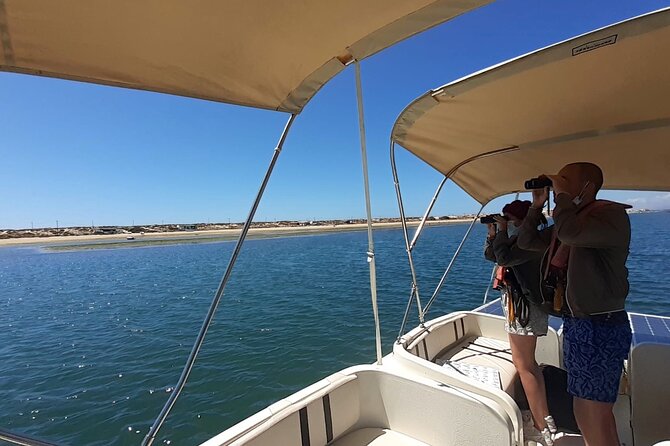
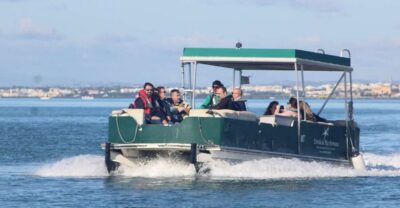
Quiet boats are made for bird watching. This Faro eco tour brings you into the Ria Formosa Natural Park on a solar-powered vessel, so the trip feels calm and low-impact from start to finish. I especially like the trained biologist guide approach to spotting and identifying birds, plus the included binoculars and life vests that make you ready right away.
One thing to plan for: bird sightings can vary with season and even tide. If you’re going in a slower month (June is often quieter) or during higher water when waders may be harder to reach, your species list may be smaller than your bird-loving dream version.
In This Review
- Key Highlights You’ll Feel on the Water
- Why Ria Formosa Birdwatching Works So Well from Faro
- Getting Oriented: Where to Meet and How the Time Typically Feels
- Stop 1 in the Marshes: Where Egrets, Storks, and Spoonbills Get Noticed
- Stop 2 Through Canals and Islands: Shellfish Farms and Birds Sharing Space
- The Return to Faro: Quiet Water, Old Town Views, and Time to Reset
- Price and Value: Why This Costs What It Costs (and When It’s Worth It)
- Season, Tide, and Weather: How to Guess Your Birding Odds
- Camera and Binocular Tips That Actually Help on This Boat
- Who Should Book This Eco Boat Tour from Faro
- Should You Book? My Practical Take
- FAQ
- How long is the birdwatching eco boat tour?
- Where does the tour start and end?
- What’s included in the ticket price?
- How big is the group?
- What birds might I see on this tour?
- Do I need good weather for the tour?
Key Highlights You’ll Feel on the Water
- Solar-powered, very quiet boat ride that lets you hear nature instead of engine noise
- Small group size (max 14) for easier bird spotting and calmer viewing
- Licensed biologist guide with live commentary to connect habitats with the birds you see
- Binoculars and life vests included so you can focus on watching
- Real Ria Formosa wildlife viewing around lagoons, marshes, islands, and shellfish areas (not a show)
Why Ria Formosa Birdwatching Works So Well from Faro
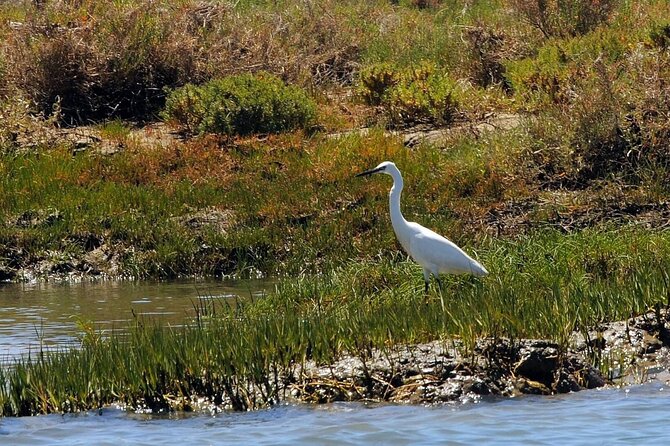
Ria Formosa is the kind of place where birds don’t just sit there. They feed in shallow zones, move between marshes and channels, and take advantage of the protected mix of lagoons, mudbanks, and islands. From Faro, you get a front-row view by boat, which is important because you’re watching the edges of the habitat where birds actually work.
What makes this particular tour feel smart is the combination of a low-impact approach and interpretation. You’re not simply cruising past scenery. You’re learning what the guide is watching for—habitat details first, bird IDs second—so your eyes get trained fast. That’s how the trip turns into more than a photo stop.
And yes, the bird list can be impressive. On different days, people have recorded 21 species, 25 species, and 30 species, including standouts like osprey, kingfisher, spoonbill, white stork, and raptors such as peregrine falcon. You might also spot terns and gulls, with species like Caspian and Sandwich Terns and rarer gull types mentioned (including Audouin’s and Slender-billed Gulls). The big takeaway: you’re in a real bird area, and the boat’s quiet movement helps you watch without disturbing.
See more Ria Formosa lagoon cruises and island-hopping trips across Faro.
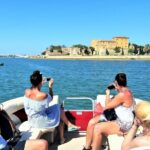
Getting Oriented: Where to Meet and How the Time Typically Feels
This is a small-group eco cruise departing from Faro, with a meeting point at R. Cmte. Francisco Manuel 41, 8000-138 Faro, Portugal. Check in early. Plan to arrive about 10 minutes before departure so you don’t feel rushed when you’re trying to find the dock area.
The ride is listed around 2 hours (approx.), while the experience description also notes about 2.5 hours on the water. In practice, you should expect a meaningful, unhurried loop—enough time to scan, stop, and let birds reveal themselves at their pace. The boat itself is a smooth ride with a quiet, silent feel thanks to the solar-powered setup.
Also pay attention to one small but handy option: there’s a point where you can choose to disembark on the return leg if you ask the guide in advance. It’s not the kind of thing you’d notice on a quick glance of a schedule, but it can save you steps if you’re planning other time in Faro afterward.
Stop 1 in the Marshes: Where Egrets, Storks, and Spoonbills Get Noticed
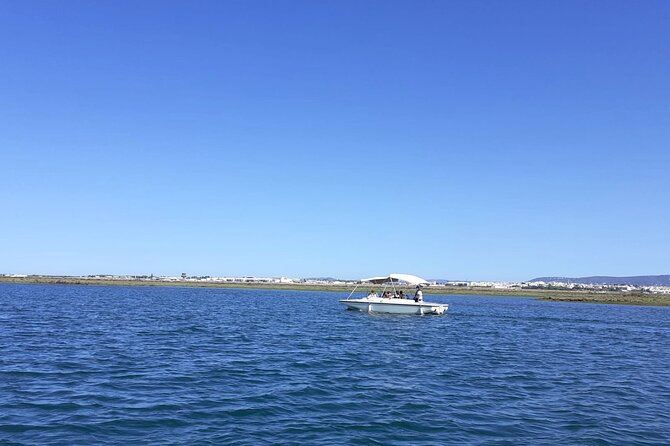
The first stretch takes you into the lagoon and marsh areas of Ria Formosa, where birds concentrate because food and shelter show up in predictable places. This is where the boat’s low noise matters. When the engine doesn’t dominate the soundscape, you start noticing the finer details—calls, wing beats, and that constant feel of water moving through a living system.
From this zone, you can look for birds named directly for this tour, including:
- White stork
- Little egret
- Spoonbill
You’ll likely use your binoculars early. The guide’s job is to help you connect what you’re seeing with what it means—why that bird is there, what it’s likely searching for, and how its behavior gives it away. That matters because spotting a bird in flight is one thing. Identifying it confidently in a moving marsh is another.
A practical tip: if the day has high tide, your wader opportunities can shift. One account mentioned that high tide meant fewer waders, but other birds made up for it, including raptors and water hunters. So even if your “must-see” category isn’t behaving the way you hoped, the tour still gives you plenty to look for.
Stop 2 Through Canals and Islands: Shellfish Farms and Birds Sharing Space
This is where the tour turns from calm cruising into active bird watching. You move through channels and across areas near islands, while the guide explains the wildlife without disturbing it approach that matters in a protected park.
You might also pass areas where shellfish farms and oyster beds operate. This is useful context because it explains why certain birds show up where they do. Feeding areas and human-managed waters can overlap, and the guide helps you see that relationship instead of treating the birds as random sightings.
This section can also be where more surprises appear. People have reported seeing birds such as:
- Osprey
- Peregrine falcon
- Kingfisher
- Various waders and shorebirds (examples noted include plovers, redshanks, and whimbrels)
And the style of guiding matters here. You can feel when a guide is watching for behavior, not just scanning for movement. Multiple guides are mentioned by name in firsthand accounts, including Luis. On the water, that kind of careful eye makes a difference—especially in wind or choppy conditions when birds are harder to track.
The Return to Faro: Quiet Water, Old Town Views, and Time to Reset
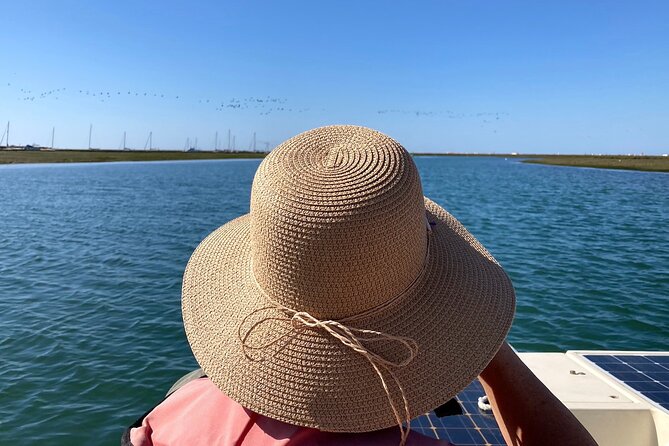
On the way back, the boat turns into a more relaxing rhythm. That’s not a “we’re done watching” moment. It’s more like a breather while you keep your eyes open. The ride remains smooth and silent, and the guide continues live commentary, often focusing on what’s happening around you—how birds react to changing light, water depth, and distance.
As you approach Faro again, you get stunning views of the old town. It’s a nice contrast: you spend the morning (or late morning) inside the natural rhythm of the park, then you end with the human scale of Faro. It makes the whole tour feel like a loop, not a one-way field trip.
And if you’re a non-bird specialist, this part helps. One of the tour’s strengths is that the experience works even if birds aren’t your only hobby. You’re still getting a different angle on Faro plus a peaceful boat ride in protected waters.
See more boat trips and cruises casting off around Faro.
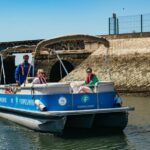
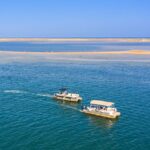
Price and Value: Why This Costs What It Costs (and When It’s Worth It)
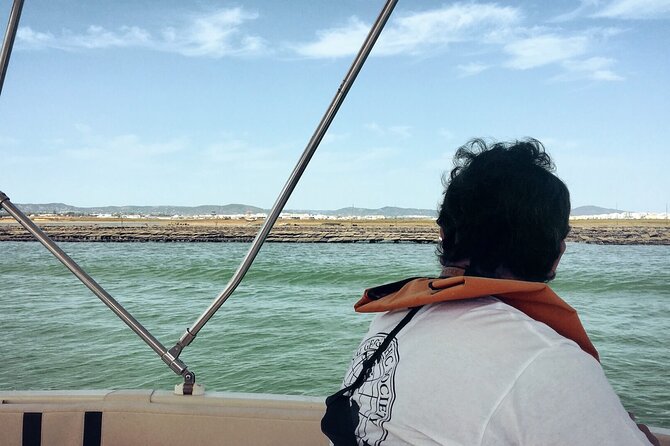
At $48.27 per person, you’re paying for more than a boat ticket. Your money goes to:
- a licensed local guide (with live commentary)
- binoculars and life vests
- a small-group format (max 14)
- a solar-powered low-noise boat experience designed around staying gentle with wildlife
If you’re a birdwatcher, the value is obvious: you’re bringing your own eyes, but the guide brings the spotting skill and habitat context. If you’re not a hardcore birder, it’s still a decent value because you’re learning while you watch, and the quiet boat ride is the main event even when sightings are slower.
One caution on value: if you’re going at a time when bird activity is lower, you might feel like you paid for “the idea” rather than “the birds.” That doesn’t mean the tour is bad. It just means the best results come from going in the right conditions and having patience.
Season, Tide, and Weather: How to Guess Your Birding Odds
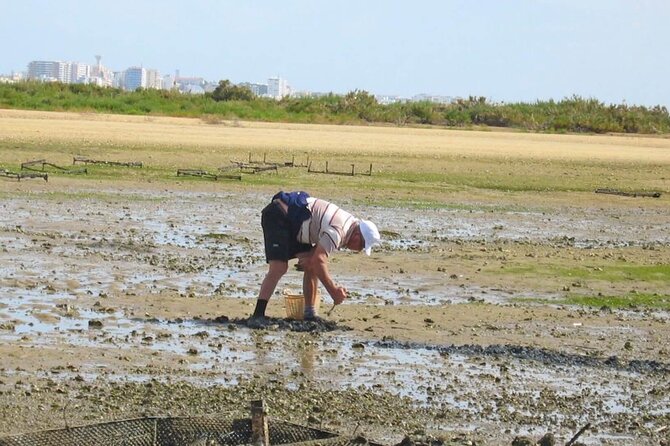
Birding here isn’t plug-and-play. It’s seasonal. In June, some people have found fewer birds, while other days deliver bigger lists. Weather plays its part too, and the tour requires good weather. If it’s canceled due to poor conditions, you’ll be offered a different date or a full refund.
Two practical patterns from real experiences:
- Off-season can be quieter. One account suggested going off-season for fewer marina crowds and less noise pollution. That can help you hear calls and notice natural sound more clearly.
- High tide can change what you see. You might get fewer waders close to the boat, but raptors and other species can still show up.
Cloudy or windy days can still produce good bird moments, but you should adjust expectations. One photography-focused account warned that on cloudy days, photos may come out darker, which is exactly what you’d expect when light drops.
My advice: pick your trip time with flexibility. If you can shift dates, do it. If you can’t, go anyway. The park is still alive, and the guide’s ability to find what’s active that day matters.
Camera and Binocular Tips That Actually Help on This Boat
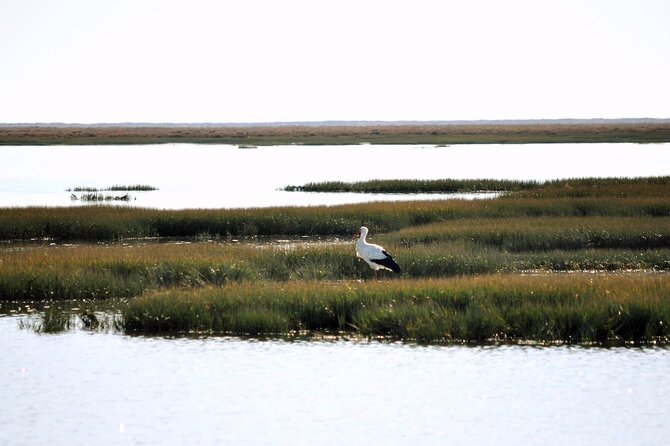
If you bring a camera, you’ll be grateful for one thing: the boat is quiet and can get close enough to see birds in real habitat edges. That’s the kind of setup that rewards a “serious glass” mindset.
Here’s the most practical advice shared by people who took photos:
- Bring a long lens (or even a teleconverter) for bird shots.
- If it’s windy, brace your technique. A steady body helps more than fancy settings.
- On cloudy days, expect darker images and plan for faster shutter speeds or higher ISO if you’re comfortable adjusting.
For birdwatching without a camera, use the binoculars early, not after you feel bored. The best sightings often happen right after you realize you’ve been looking at the wrong depth of water or the wrong shoreline edge.
And most of all: don’t treat it like a zoo. This tour is about reading the habitat while keeping distance and respect. That approach is part of why the bird-watching feels good in the first place.
Who Should Book This Eco Boat Tour from Faro
I’d put this tour at the top of your list if you:
- love birds and want a guide-led approach to identification
- prefer quiet nature over noisy sightseeing
- enjoy small group outings (max 14)
- want a low-impact way to experience a protected park
It’s also a strong choice if you’re traveling solo. One account highlighted that it’s an easy experience for solo visitors and noted the meeting spot works well with public transport. That’s not always true in Faro, so it’s worth appreciating.
Families can fit in as well—just note that children must be accompanied by an adult, and the child rate applies only when sharing with 2 paying adults. If you’re bringing a camera, it helps to remember that wildlife viewing depends on weather, tide, and patience. But if you can handle a little unpredictability, this tour delivers.
Should You Book? My Practical Take
Book it if you want real birdwatching time with a quiet solar-powered boat and a guide who connects birds to the marshes and islands they use. The experience is built for wildlife respect, and the small-group size makes it easier to focus.
One more reality check: don’t assume you’ll see the full dream list every day. Birding results can be seasonal, and high tide can shift what’s visible. Still, multiple days have produced long species counts—sometimes well above 20—and highlights like osprey, kingfisher, and spoonbills show up often enough to keep hope alive.
With a strong satisfaction signal—4.8 rating and 98% recommended—this is a safe bet for nature-focused visitors who enjoy patience more than control.
If your main goal is guaranteed flamingos or guaranteed waders, you’ll want to time it carefully. If your goal is a calm, smart, eco-friendly birding day in Ria Formosa from Faro, this one is worth planning around.
FAQ
How long is the birdwatching eco boat tour?
The tour is listed at about 2 hours, with the experience description also noting around 2.5 hours on the water.
Where does the tour start and end?
The meeting point is at R. Cmte. Francisco Manuel 41, 8000-138 Faro, Portugal, and the activity ends back at the meeting point.
What’s included in the ticket price?
Included are the eco-boat tour, use of binoculars, life vests, a local guide, and live commentary on board.
How big is the group?
This is a small group experience with a maximum of 14 travelers per booking.
What birds might I see on this tour?
The tour highlights birds such as white stork, little egret, spoonbill, and sightings mentioned in experiences include osprey, kingfisher, peregrine falcon, along with other waders and terns. What you see depends on conditions.
Do I need good weather for the tour?
Yes. The experience requires good weather, and if it’s canceled due to poor weather, you’ll be offered a different date or a full refund.
More Tours in Faro



More Tour Reviews in Faro
More Ria Formosa Lagoon Trips in Faro
Not quite it? Here is more to do along the Faro coast that we have reviewed








Ria Formosa Lagoon Cruises, compared.
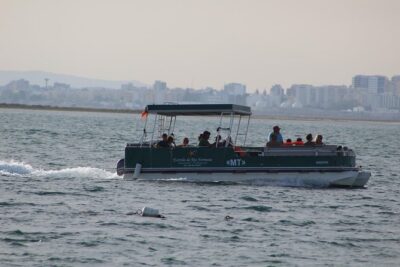 ★ 5.04 Stops | 3 Islands & Ria Formosa Natural Park – From FaroFrom $483,080 reviews
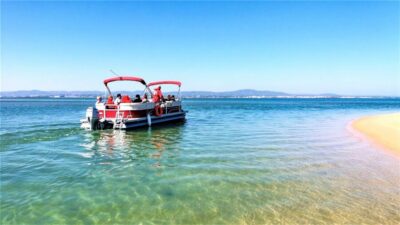 ★ 4.8Faro: Ria Formosa Faro Islands Boat TourFrom $472,588 reviews
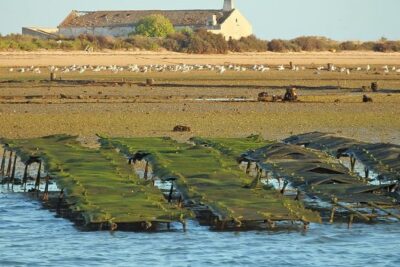 ★ 5.0Ria Formosa – Boat trip to the 3 Islands: Armona | Culatra Island | LighthouseFrom $481,872 reviews
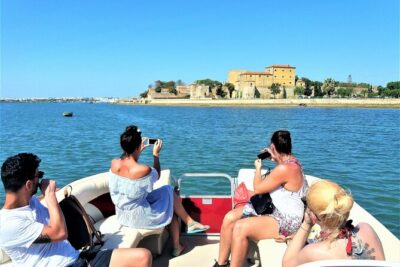 ★ 5.0Ria Formosa Natural Park and Islands Boat Cruise from FaroFrom $511,314 reviews
 ★ 4.6From Faro: 4 Stops, 3 Islands in Ria Formosa Catamaran TourFrom $471,129 reviews
 ★ 5.02 Stop | 2 Islands & Ria Formosa Natural Park – From FaroFrom $421,045 reviews
 ★ 4.8From Olhão: Ria Formosa 3-Island Full-Day TourFrom $45993 reviews
 ★ 4.6Faro: Deserta Island and Farol Island Catamaran Boat TripFrom $47955 reviews
Browse the lists this tour appears in