
Reviewed · DOLPHIN WATCHING SAFARIS
Small Group Dolphin and Wildlife Watching Tour in Faro
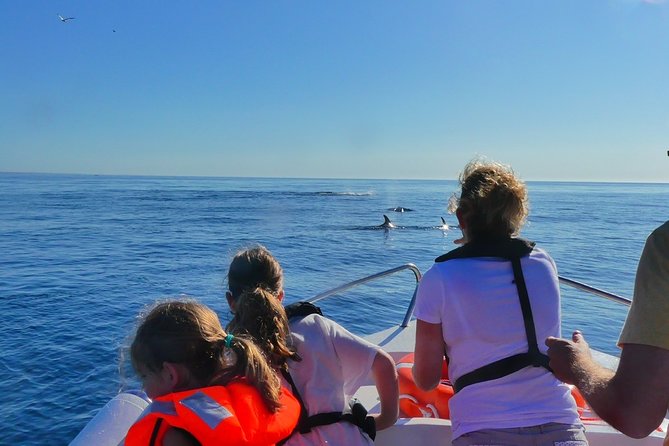
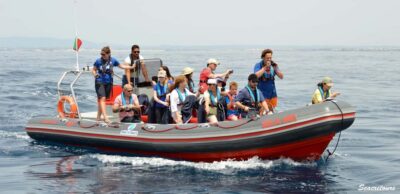
Dolphins pop up fast in Faro. This small-group RIB tour pairs marine biologists with a morning Atlantic cruise, so you’re not just hunting for wildlife—you’re learning how it all works. You’ll also cruise past the Ria Formosa Natural Park area before heading out toward the open water, which makes the start feel like real Algarve time, not a rushed transfer.
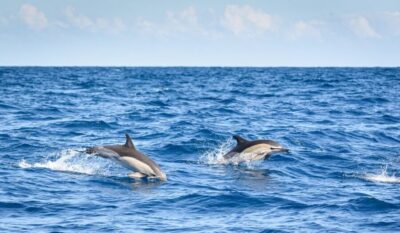
What I like most is the focus on respecting animals. When you find a pod, the team keeps a respectful distance, gives the dolphins space, and explains what you’re seeing (including how different species behave in the wild). It’s also a solid wildlife mix: dolphins and other cetaceans are the main draw, but birds and ocean animals show up too when conditions are right.
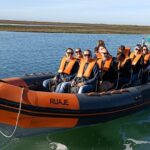
One thing to consider: it’s a RIB with sporty, jockey-style seating. If rough sea days hit, the ride can feel intense for some people, and you’ll want to dress for cold wind out on the water.
In This Review
- Key highlights you’ll care about
- Getting on the water near Faro’s Ginásio Clube Naval
- The 2.5-hour rhythm: what happens when the boat hits open water
- Ria Formosa to the Atlantic: the route that actually helps
- Dolphins, whales, and the real reason marine biologists matter
- What wildlife you might see (and what to keep realistic)
- Boat comfort and the sea factor: RIBs are fun, not gentle
- Morning timing: why starting earlier boosts your odds
- Value in plain terms: what $66.51 buys you
- Who should book this Faro dolphin tour?
- Quick practical tips to make your day smoother
- Should you book Ocean Vibes Algarve’s dolphin and wildlife tour?
- FAQ
- How long is the Small Group Dolphin and Wildlife Watching Tour in Faro?
- Where is the meeting point for the tour?
- What is the group size limit?
- What wildlife can you expect to see?
- Is the tour offered in English?
- Do I get a mobile ticket?
- What’s the cancellation policy if the weather isn’t good?
- Are service animals allowed?
Key highlights you’ll care about
- Small group, up to 9 travelers: more attention and a calmer boat vibe than big-tour chaos.
- Marine biologists on board: you get species info plus research data collection, not just casual spotting.
- Morning departure: wildlife activity is often better when it’s cooler and calmer.
- Ethical viewing rules: the team aims for dolphin welfare and avoids harassing behavior.
- More than dolphins: expect chances for birds, sunfish, turtles, and other ocean life.
- Scenic start near Ria Formosa: the cruise begins with protected nature before you push out to sea.
Getting on the water near Faro’s Ginásio Clube Naval
The tour meets at Ginásio Clube Naval, on Estr. do Passeio Ribeirinho 58 in Faro. It’s close to public transportation, which matters here because you don’t want to waste your best hours fighting parking. The activity ends back at the same meeting point, so you don’t have to plan a separate ride home.
You’ll also use a mobile ticket. That’s one less thing to manage when you’re moving through a busy morning in town. And yes, service animals are allowed, which is a helpful detail if you’re traveling with one.
This is a tour built for people who want a straightforward start: arrive, get briefed, and get out on the water early. The central meeting point is part of the value. It keeps things smooth, so the time you paid for actually goes toward wildlife time.
Read more dolphin-watching safaris heading out from the Faro coast.
The 2.5-hour rhythm: what happens when the boat hits open water
The whole experience runs about 2 hours 30 minutes. That timing sounds simple, but here’s what it means in practice: you’re set up for a real search, not a short drive-by.
After the boat heads out, the team looks along the way and then pushes toward the Atlantic where dolphins and birds are more likely to show themselves. Once cetaceans are found, you stay with the group for a set watching window, then you may head out again if the day’s conditions allow more searching.
One reason this format feels good is that it’s flexible. If the sea turns choppy, speed and timing can change to keep everyone safe. That’s not a disappointment—it’s how you avoid the “we rushed it anyway” problem that can happen with some operators.
Ria Formosa to the Atlantic: the route that actually helps
You’re not just blasting out into waves the moment you leave Faro. The trip starts with the Ria Formosa Natural Park area, then moves toward the Atlantic Ocean. That’s important because it frames your experience with a protected-nature stage before the open-water stage.
Ria Formosa is known for being alive—so even before you’re deep offshore, you’re already in a region where marine birds and sea life can show up. Then the captain and marine biologists shift focus toward cetaceans as you reach better searching waters.
You’ll also get views of the Algarve coastline from the boat. Even on a day where dolphins are quiet, that “out at sea” perspective is still part of the reason this tour is worth doing.
Dolphins, whales, and the real reason marine biologists matter
The big promise here is marine wildlife in its natural habitat, with marine biologists on board. That changes the whole experience from “spot the animals” to “understand the animals.”
When you see a group of dolphins, the biologists explain what species it likely is and how they’re behaving. They also collect data for research before heading back. That’s more meaningful than a purely sightseeing cruise because you’re seeing animals and learning how the science team observes them.
You may meet different biologists across tours. In the past, people have specifically mentioned naturalists like Diogo and Pedro, and also guides such as Miguel. The common thread is the same: they’re focused on helping you see what’s there while following wildlife-protection rules.
You’ll also notice how the team handles wildlife ethics. One standout detail is that they aim for a viewing approach that lets animals choose their own movement. They don’t force closeness. That might mean you don’t always get the closest photo possible, but it usually means dolphins keep behaving naturally—which is what you want if you care about animal welfare.
What wildlife you might see (and what to keep realistic)
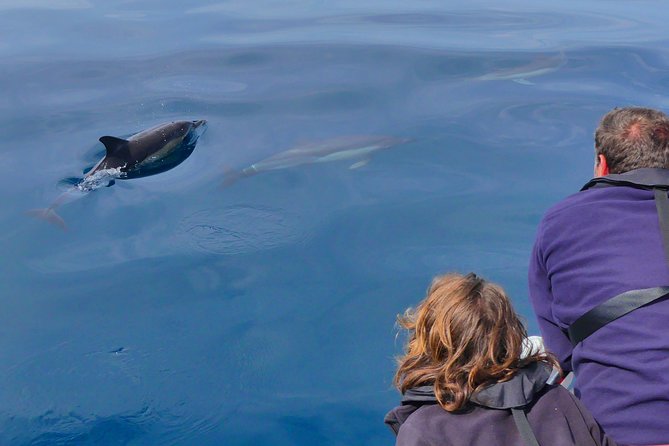
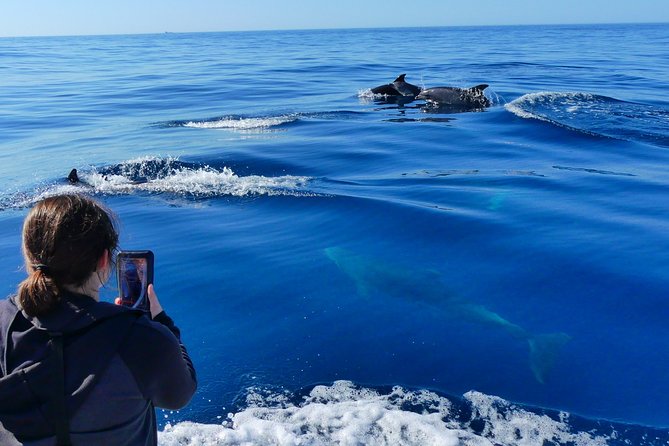
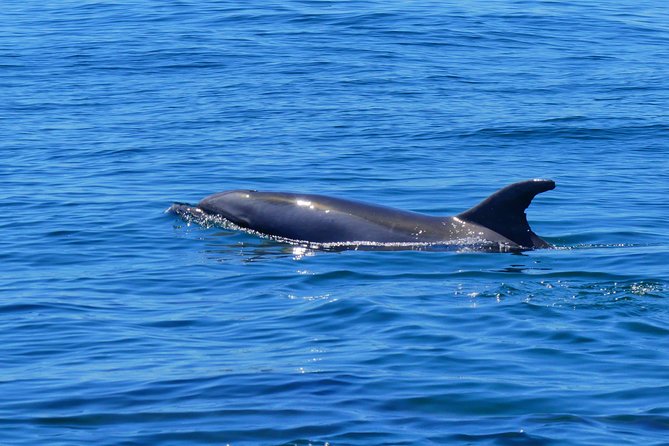
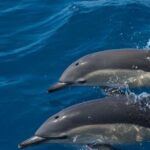
Dolphins are the headline. The tour’s odds are good for species like:
- Bottlenose dolphin (Tursiops truncatus)
- Common dolphin (Delphinus delphis)
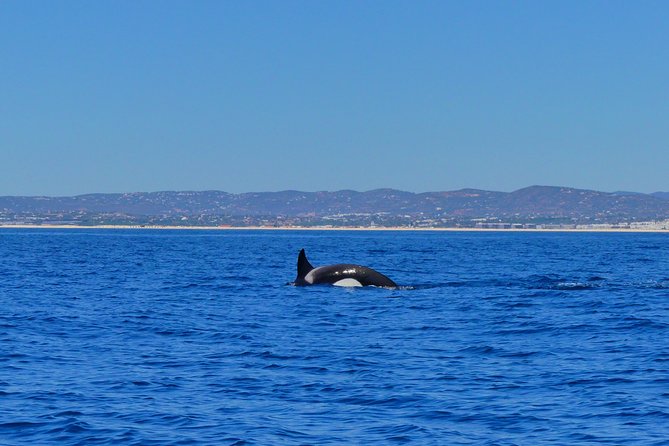
There are also chances for porpoises, and if conditions are right you might even spot larger cetaceans such as orcas or whales.
Bird lovers should feel right at home. The boat team watches for marine birds including:
- Northern Gannet (Morus bassanus)
- Shearwaters
- Storm Petrels
And if you’re the type who loves “wait, what was that?” moments, keep your eyes open for other marine life that’s been seen on these trips:
- Ocean sunfish (Mola mola)
- Atlantic bluefin tuna (Thunnus thynnus)
- possible sharks
- marine turtles
- Portuguese Man-o-war
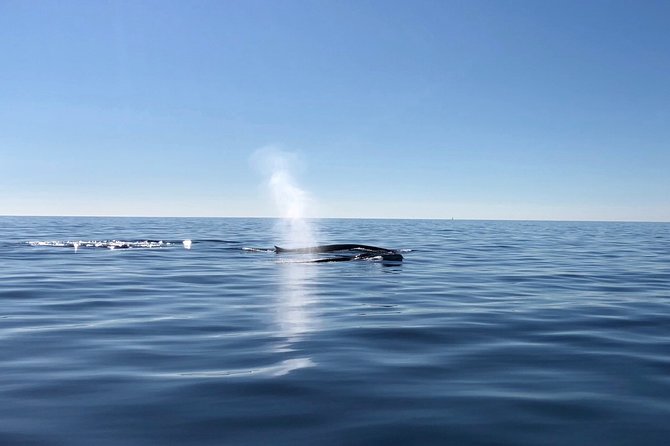
- and even bonus sightings of whales such as fin whale and minke whale have come up in the experience accounts
Reality check: no tour can guarantee whales. The best you can do is pick a morning trip, trust the search, and go into it knowing that a dolphin-heavy day is still a great win.
A few more Faro trips and experiences worth a spot on the list
Boat comfort and the sea factor: RIBs are fun, not gentle
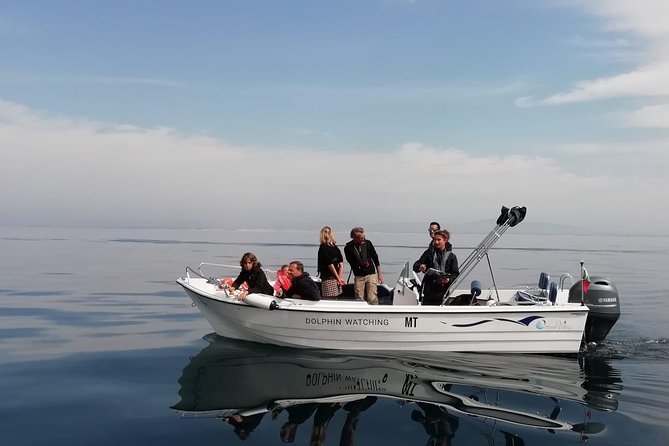
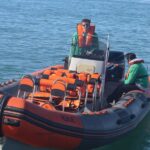
This is a small RIB-style boat. The ride can feel exciting—fast, responsive, and built for reaching wildlife areas.
Most people find the boat comfortable and feel safe, even if waves are present. The captain’s steering matters here: good handling can turn what looks scary from shore into a manageable ride.
But I’d be dishonest if I didn’t mention the drawback that comes up: jockey-style seating can feel stiff or uncomfortable, especially if you’re sensitive to movement. On rougher sea days, the return can be more intense than the outbound leg, and some people end up feeling it in their neck or back.
What I recommend:
- bring a jacket or sweatshirt. It can feel cold once you’re out and moving, even if Faro is warm on land.
- if you get motion discomfort easily, consider that a RIB is not a calm ferry ride.
If you’re the type who hates small boats on the ocean, this might not be your best call. If you’re okay with sporty travel and you want the best shot at active wildlife, it’s part of the fun.
Morning timing: why starting earlier boosts your odds
The tour sets sail in the morning, which is more than a marketing line. Morning usually means cooler air, often calmer seas, and wildlife that’s more actively moving.
In experience accounts, the early departure is repeatedly framed as a win because you’re more likely to find active pods when the day hasn’t heated up and shifted conditions.
You’ll also get to use your daylight well. A dolphin tour is a timed game: the faster you’re on the water and the smarter your search route is, the better your chances.
Value in plain terms: what $66.51 buys you
At about $66.51 per person for roughly 2.5 hours, you’re paying for three things at once:
1) a RIB boat ride out to better waters,
2) a small group size that keeps the experience personal,
3) marine biologists who explain species and collect research data.
When you compare this to cheaper mass operators, the difference usually comes down to attention and ethics. A small group and research-focused approach can cost more, but it also tends to deliver a better experience and a more careful wildlife approach.
A detail that supports the value: this tour is often booked in advance (on average about 11 days out). That’s a clue that people plan ahead for morning slots and want the format.
So is it “worth it”? In my view, yes—especially if you care about animal behavior being handled respectfully and you want real explanation while you’re watching.
Who should book this Faro dolphin tour?
This is a great fit if you:
- want dolphins in the wild, not animal shows
- like learning what you’re seeing while you’re seeing it
- prefer a maximum of 9 travelers rather than a big crowd
- care about wildlife welfare and responsible viewing distance
It may be less ideal if you:
- get uncomfortable on small boats or in choppy water
- have trouble with stiff seating during motion
- need a completely calm, flat-water experience
Family-friendly? It can be, based on how the experience has worked for parents and kids on past outings. Still, bring layers, because the ocean air can change fast once you’re underway.
Quick practical tips to make your day smoother
- Bring a jacket/sweatshirt. Cold wind is real out on the water.
- Arrive a bit early so you can find the meeting point without stress.
- Wear clothing you don’t mind getting a little salty or damp.
- If you’re prone to motion sickness, plan for that before you go.
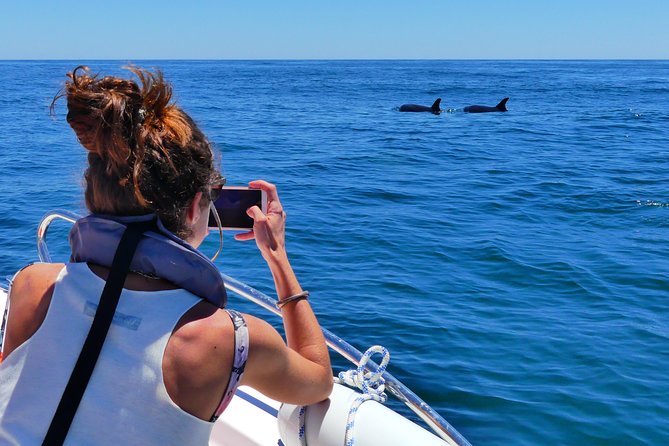
- Take your photos, but also put your phone away sometimes. When the pod is moving, the best moments are the ones you experience live.
And one more pointer: the team is focused on ethics and safety. That’s why you sometimes won’t get the closest ride possible. But you’ll usually get a more natural wildlife encounter, which is what most people remember afterward.
Should you book Ocean Vibes Algarve’s dolphin and wildlife tour?
If your goal is a serious chance at dolphins with marine biologists on board, book it. The small-group size, early departure, and wildlife-respect approach are exactly the ingredients that make a wildlife tour feel like it has a purpose.
I’d only hesitate if you know you’re miserable on small boats or you’re worried about stiff seating and rough sea days. In that case, you might want a more calm-water style tour instead.
If you’re flexible, dress for wind, and show up ready for the Atlantic, this is one of the better ways to spend a morning in Faro.
FAQ
How long is the Small Group Dolphin and Wildlife Watching Tour in Faro?
It lasts about 2 hours 30 minutes (approx.).
Where is the meeting point for the tour?
The tour meets at Ginásio Clube Naval, Estr. do Passeio Ribeirinho 58, 8000-541 Faro, Portugal. It ends back at the meeting point.
What is the group size limit?
The tour has a maximum of 9 travelers.
What wildlife can you expect to see?
You’re looking for dolphins such as bottlenose and common dolphins, and there may be chances for orcas or whales. The trip also includes chances to spot marine birds like Northern Gannet, shearwaters, and storm petrels, plus other animals like ocean sunfish, Atlantic bluefin tuna, sharks, and marine turtles.
Is the tour offered in English?
Yes, it’s offered in English.
Do I get a mobile ticket?
Yes, the tour includes a mobile ticket.
What’s the cancellation policy if the weather isn’t good?
The experience requires good weather. If it’s canceled due to poor weather, you’ll be offered a different date or a full refund. Free cancellation is available up to 24 hours in advance for a full refund.
Are service animals allowed?
Yes, service animals are allowed.
More Tours in Faro



More Tour Reviews in Faro
More Dolphin Watching Safaris off Faro
Not quite it? Here is more to do along the Faro coast that we have reviewed











Dolphin Watching Safaris, compared.
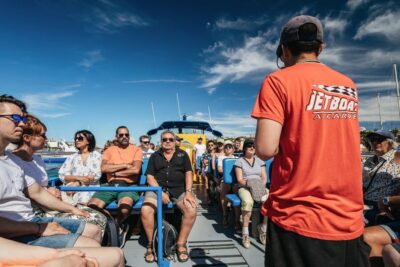 ★ 4.6Albufeira: 2.5-Hour Benagil Caves & Dolphin WatchingFrom $4010,710 reviews
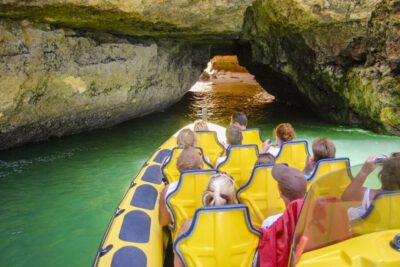 ★ 4.6Albufeira: Benagil Caves & Dolphin Watching Speed Boat TourFrom $406,316 reviews
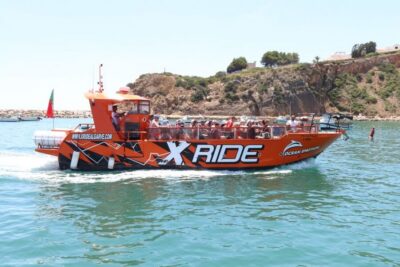 ★ 4.7Albufeira: Dolphin Watching and Benagil CaveFrom $345,658 reviews
 ★ 4.8Portimão: Benagil Caves & Dolphins Watching with BiologistFrom $473,795 reviews
 ★ 4.8Albufeira: Dolphin Watching and Benagil Cave Boat CruiseFrom $383,008 reviews
 ★ 4.7Lagos: Combo Dolphin and Benagil Tour with Marine BiologistFrom $632,352 reviews
 ★ 4.9Lagos: Dolphins & Caves – CatamaranFrom $581,512 reviews
 ★ 4.9Lagos: Dolphin Watch Tour with Professional Marine BiologistFrom $421,500 reviews
Browse the lists this tour appears in