
Reviewed · DOLPHIN WATCHING SAFARIS
Faro: Dolphin and Wildlife Watching in the Atlantic Ocean
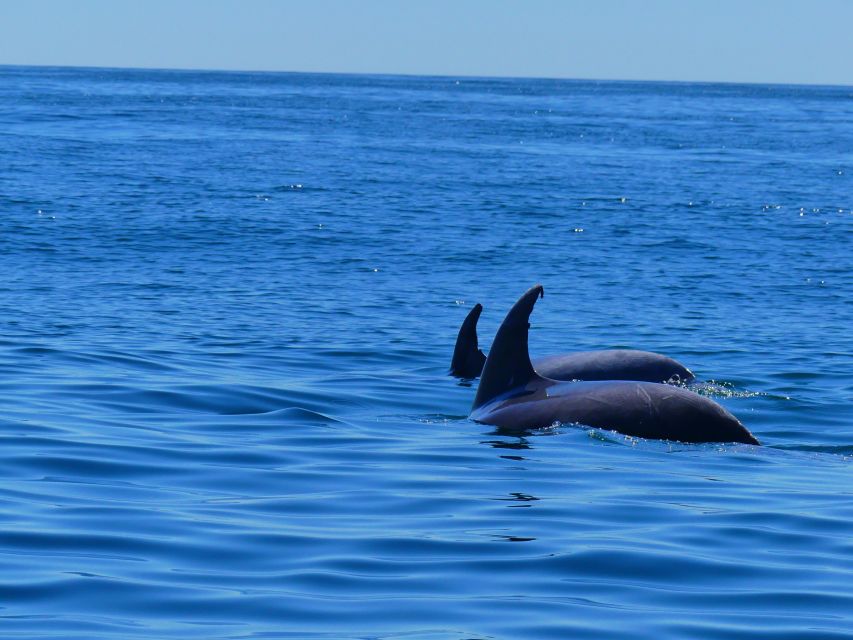
Dolphins off Faro feel real fast. This 2.5-hour Atlantic boat trip pairs wildlife searching with marine biologists, plus serious views over the Ria Formosa barrier islands. You cruise from sheltered waters toward open ocean and look for dolphins, whales, and other sea life while learning how researchers track populations.
What I love most is the way the guides work. They do not treat it like a show; they scan, reposition, and explain what they are seeing. I also like the built-in rules for watching dolphins: when you find a group, you get a focused viewing window (about 30 minutes) so the animals are not stuck with boats all day.
One consideration: conditions can change fast. On windy days you may get wet, it can feel chilly on the water, and the boat ride can be bumpy, so it is not the best match for everyone with mobility or back issues.
In This Review
- Key points before you go
- Faro to the Atlantic: how the trip actually unfolds
- Ria Formosa barrier islands: the best warm-up for your eyes
- Out on the open water: how the guides hunt for dolphins and whales
- Dolphin watching rules: 30 minutes that feel focused, not rushed
- Wildlife beyond dolphins: birds, fish, turtles, and the thrill factor
- Meet your marine biologist team: what names you might hear
- The boat ride: fast, sometimes bumpy, and often part of the fun
- Price and value: is $76 USD a fair deal?
- Who should book this Faro wildlife trip
- Simple do and do not on board
- Should you book this Faro Dolphin and Wildlife Watching tour?
- FAQ
- How long is the dolphin and wildlife watching tour in Faro?
- Where do I meet the Ocean Vibes Algarve team in Faro?
- Is hotel pickup included?
- What languages are available for the live guide?
- Can I guarantee seeing dolphins on this tour?
- How long do you get to watch dolphins once they are found?
- What should I bring, and what is not allowed?
Key points before you go
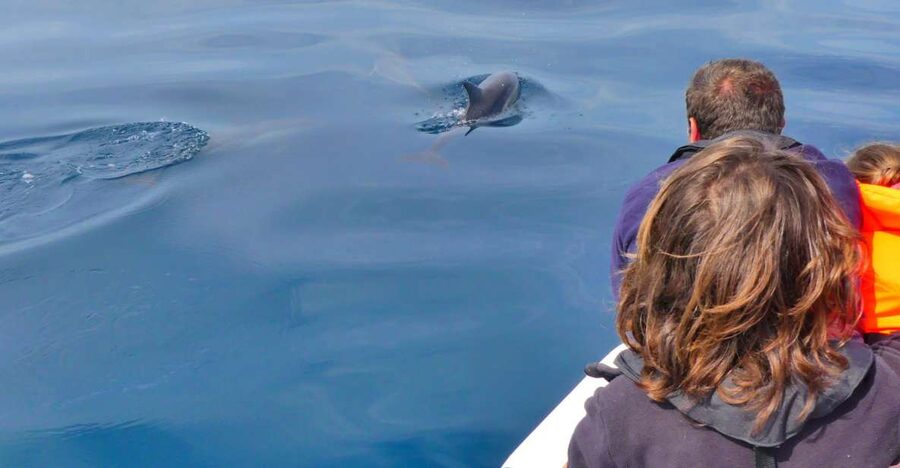
- Marine biologists at the helm of the search with facts plus practical talk about how dolphin data is collected
- Ria Formosa Natural Park first, for calm scenery near Deserta and Culatra before you head into the Atlantic
- A real wildlife approach: watching is time-limited per pod to reduce stress on animals
- Strong odds, not a guarantee: normally 9 out of 10 tours succeed in spotting wildlife
- Winter-to-spring whale season (February to May) and dolphins are present year-round
- Wind chill is real: you will want a jacket and a bit of sun protection
Faro to the Atlantic: how the trip actually unfolds
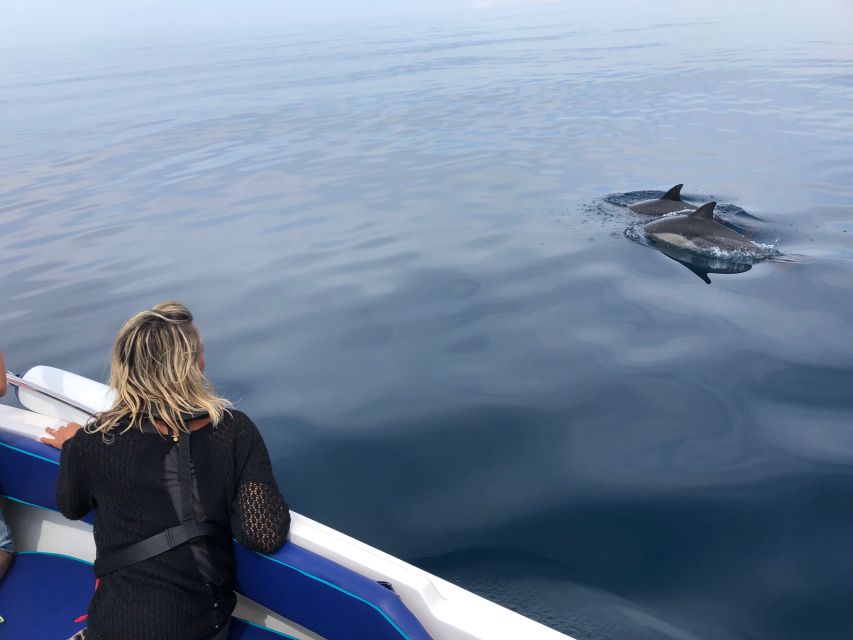
This tour is built for one goal: find wild animals in the Gulf of Faro region and learn what you are looking at. You start in Faro and head through the Ria Formosa Natural Park area, then continue on toward the open Atlantic where sightings are possible.
The total time is about 2.5 hours, so the day has a quick pace. You spend part of the cruise getting bearings, checking the protected waters and marshlands, and then you push out to the coast once the guides think conditions and location line up with the animals they are hunting for.
If you are the type who likes nature experiences that feel scientific instead of performative, this format matters. You are not just out for a sunset sail; you are out for a guided search with a marine biologist mindset.
Read more dolphin-watching safaris heading out from the Faro coast.
Ria Formosa barrier islands: the best warm-up for your eyes
Before the Atlantic, you cross the Ria Formosa area toward the coastline. It is not just travel time. You are moving through a landscape of islands and marshlands that sets the stage for what comes next.
Depending on the route and conditions, you might enjoy views over the Barrier Islands such as Deserta and Culatra, or you may pass by marshlands closer to the park. Either way, it gives you a sense of how the protected waters feed the wider ocean system where birds and marine life show up.
This part also helps with wildlife watching timing. In calmer conditions near the park, it is easier to spot seabirds overhead, and the guides can get a feel for what the water surface is doing before you head out where swell becomes more noticeable.
Out on the open water: how the guides hunt for dolphins and whales
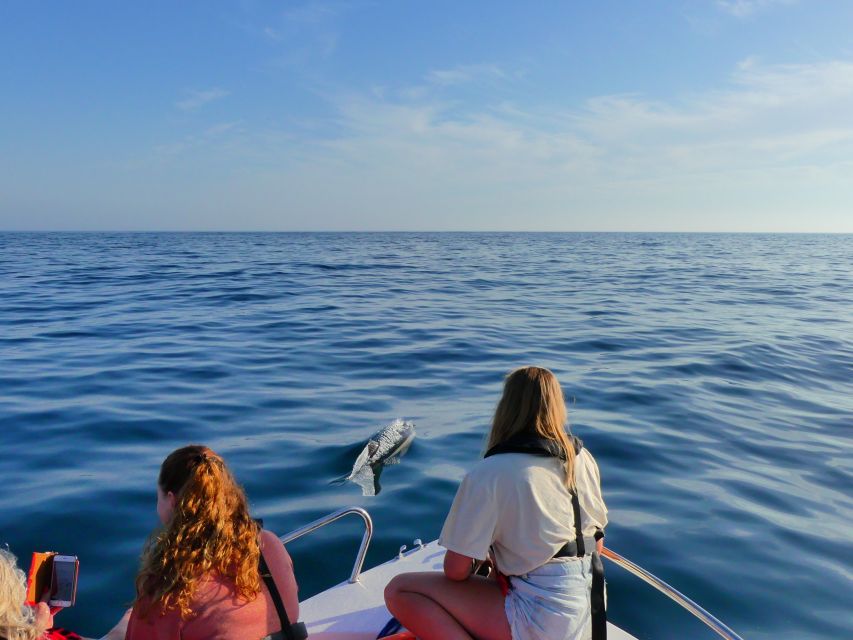
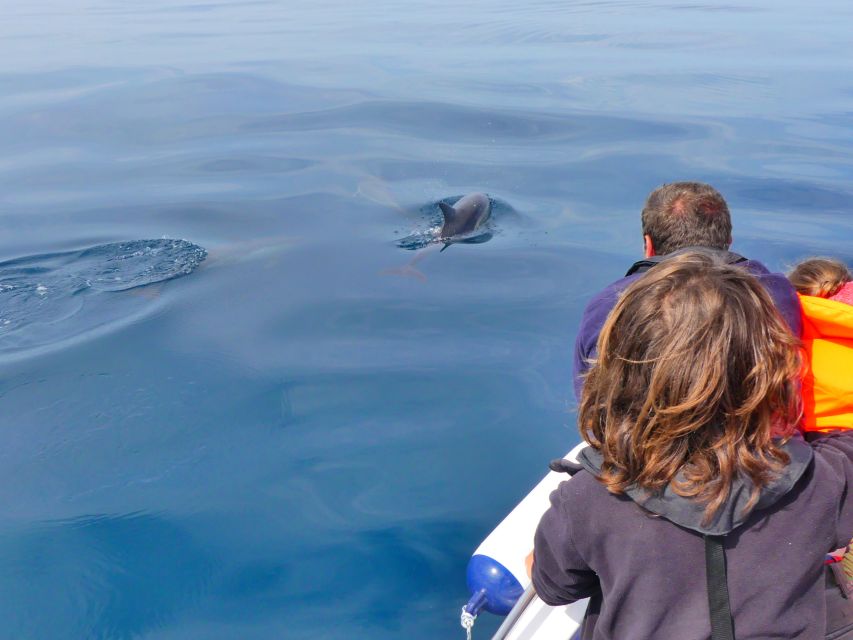
Once you reach the ocean, you shift into search mode. The guides look for surface cues like fins and movement patterns, then steer you toward active areas while keeping distance and space for the animals.
This is where having marine biologists matters. You often get more than identification. You learn what different species do, why they move the way they do, and what researchers look for when studying dolphins over time. One of the most repeated themes from the guides is respect: you get rules for watching so the animals can keep behaving naturally.
You also get variety in the target list. The plan is to look for different cetaceans, which can include dolphins (common and bottlenose are often seen), porpoises, and on some days whales and even orca sightings are possible. Whale season is February through May, while dolphins are resident year-round.
And yes, the ocean has surprises. Sometimes the first part of the trip is quiet. When that happens, the team typically keeps searching without resorting to gimmicks, and the payoff can be a long, close observation once the animals show up.
Dolphin watching rules: 30 minutes that feel focused, not rushed
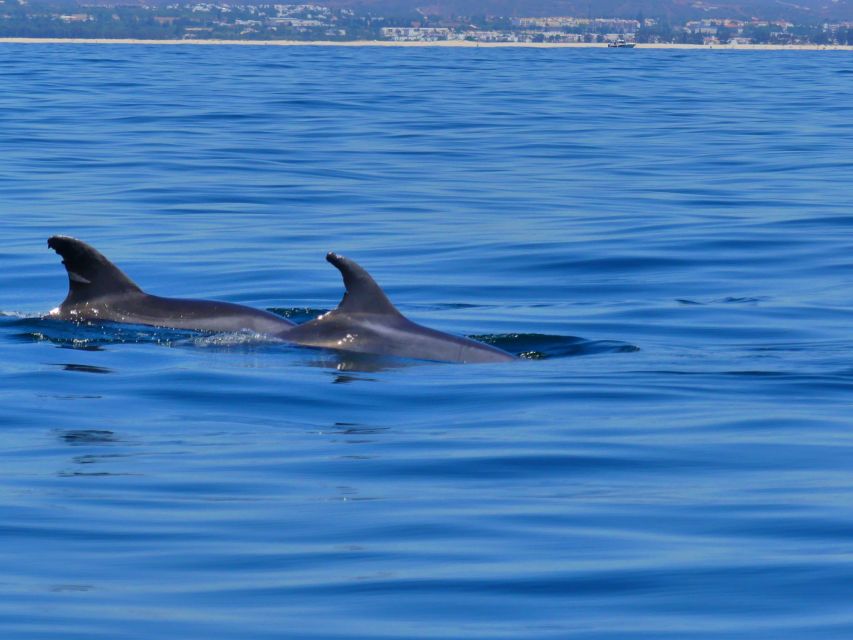
When the guides find a group of dolphins, you do not just hover indefinitely. You get a dedicated watching window of about 30 minutes, then you move along once the pod has been observed and the team follows their own guidelines to reduce stress.
That time limit is one of the strongest reasons this experience feels different from a basic boat excursion. You spend your attention where it counts: on the animals, not on chasing them from one side of the boat to the other forever.
It also shapes the guide experience. You might hear lots of dolphin behavior facts right after a sighting, and you can ask questions in the moment. If you like learning on the fly, this is a great setup.
Wildlife beyond dolphins: birds, fish, turtles, and the thrill factor
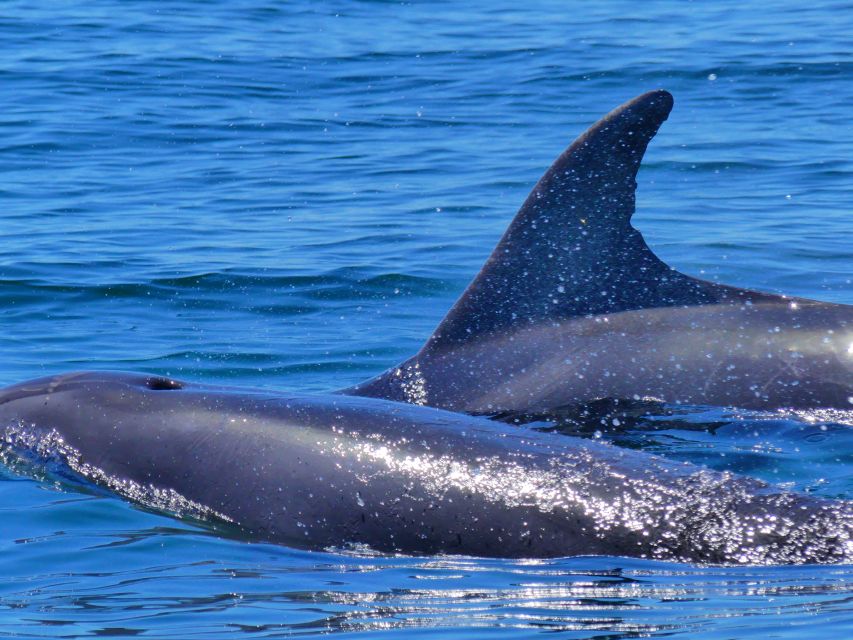
This tour is marketed as dolphin and wildlife watching, and it usually lives up to that broader title. Dolphins are the headline, but the boat often turns into a moving wildlife platform.
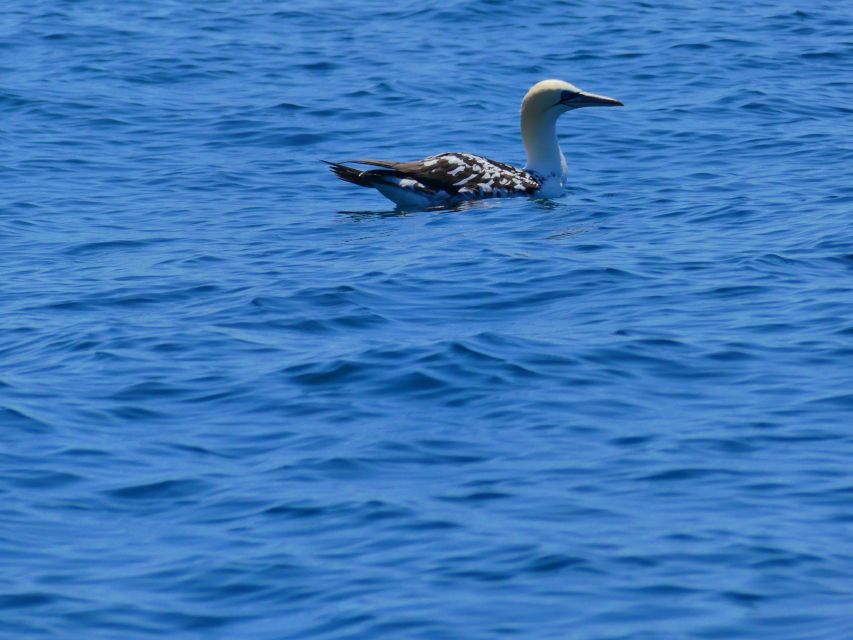
You may spot seabirds overhead such as gannets and shearwaters during the cruise. That is not a random extra. Birds are useful indicators of where food activity might be happening in the ecosystem.
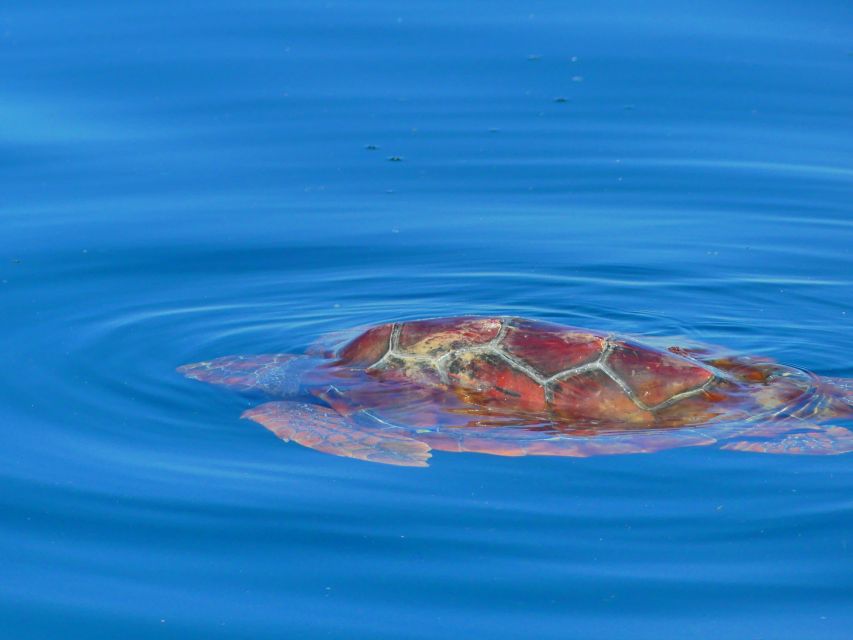
On the water, you could also see fish species like ocean sunfish, and there are chances of spotting large predators such as blue sharks and hammerhead sharks. The tour information also notes the possibility of marine turtles. You likely will not see everything on every outing, but it helps to know the guide is trained to recognize a wide range of wildlife cues.
Some of the best moments come from the surprise sightings people remember most. For example, I would not plan your day around only one animal. Even when dolphins are the main event, the ocean can deliver a whale calf sighting on the right day, or a shark glimpse when the guides make the extra effort to scan a fresh stretch of water.
A few more Faro trips and experiences worth a spot on the list
Meet your marine biologist team: what names you might hear
The guides are not just narrators. They are marine biologists who track animals and explain their findings in plain language. Based on past tours, you might work with guides such as Miguel, Alfredo, Pedro, Ines or Inea, Pablo, or Susannah (names vary by date and language group).
What you can expect is a mix of facts and practical explanation. People often mention that the guides stay patient when sightings take time, and they also share why their approach is conservation-minded.
The tone tends to be friendly and focused. That combination is important on a wildlife tour. You want to feel comfortable asking questions, but you also want the boat run seriously when animals are around.
The boat ride: fast, sometimes bumpy, and often part of the fun
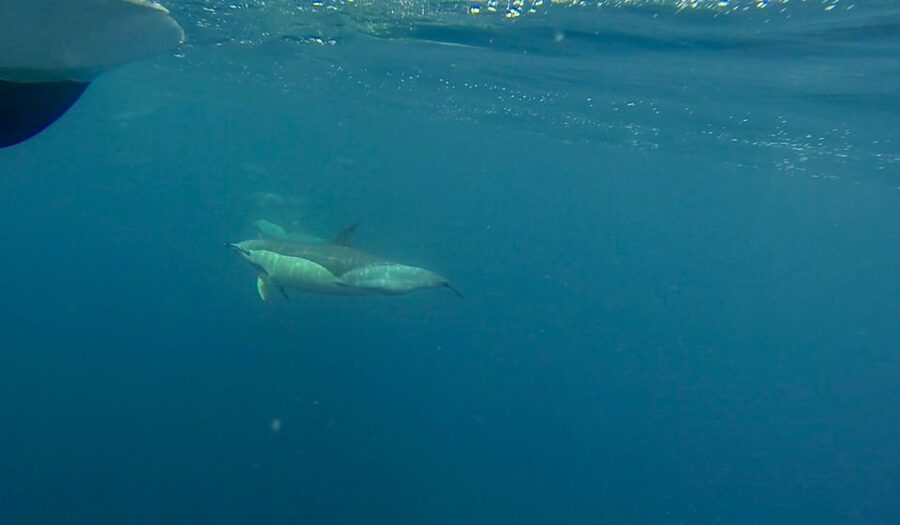
This is not a slow ferry. Expect a fast boat ride with some wave action. Many people describe it as exhilarating, but it can also be choppy, and some passengers mention a sore backside by the end.
This matters for comfort. If you have back issues or limited mobility, the tour notes it is not recommended for you. If you are generally healthy but hate rough water, still plan for it. Bring a jacket, hold your posture steady, and treat it like a little ocean rollercoaster.
A few practical tips that make a real difference:
- Wear comfortable clothes you do not mind getting damp
- Bring water and suncream, even if it feels cool
- On windy days, pack a jacket. The wind can feel cold even when the air temperature seems mild
If your main goal is the wildlife, you will probably tolerate the ride. If your main goal is comfort, you might want to compare with calmer boat options around Ria Formosa instead.
Price and value: is $76 USD a fair deal?
At about $76 per person for roughly 2.5 hours, the value depends on what you care about most: learning, guide effort, and the chance of real ocean sightings.
Here is what you get in that price:
- a guided boat tour
- a marine biologist guide
- life jackets
And here is why that can be worth it in practice. The guide team is actively trying to locate wildlife and then teach you what you are seeing. It is not just a driver with a microphone. Also, the odds are solid: the tour information states that a wildlife spotting rate is typically 9 out of 10. That is a strong track record for an open-water activity where animals are not guaranteed.
So for me, the price feels fair because you are buying both the ride and the expertise. You are also buying access to a conservation-first approach, including time-limited dolphin viewing instead of constant circling.
Who should book this Faro wildlife trip
This tour fits you best if you want:
- a guided wildlife search, not a casual sight-seeing cruise
- a marine biology explanation while you are on the water
- a higher chance of dolphin and whale season wildlife (especially if you travel February–May)
- the ability to enjoy nature even if the first stretch takes time
It is also a good match for people who like rules that protect animals. The tour follows clear guidelines like not feeding animals, not touching marine life, and keeping wildlife stress low.
You might rethink if:
- you have mobility impairments or significant back problems
- you are pregnant (the tour lists it as not suitable)
- you are traveling with a child under 2
- you strongly dislike bumpy boat rides and wind chill
Simple do and do not on board
To keep the wildlife safe (and to keep the tour running smoothly), the rules are firm:
- No smoking
- No pets (assistance dogs allowed)
- No feeding animals
- Do not touch marine life
- Do not touch animals
Bring what you need for comfort: water and suncream, plus a jacket for wind. And if you are heat-sensitive, dress in layers. On the water, sun can fool you.
Should you book this Faro Dolphin and Wildlife Watching tour?
If your idea of a great trip is spotting wild animals while a marine biologist explains what is happening, I think you should book it. The strongest reasons are the guide effort (patience and searching), the respect-based dolphin viewing window, and the fact that it is built to cover more than just dolphins.
I would especially book if you can travel in February to May, since whale season is in play, or if you simply want the best chance at dolphins while you are in Faro year-round.
If you are sensitive to rough water, cold wind, or mobility challenges, then the boat format is the biggest mismatch. In that case, you may be happier with a calmer Ria Formosa-focused option instead.
FAQ
How long is the dolphin and wildlife watching tour in Faro?
The tour duration is about 2.5 hours.
Where do I meet the Ocean Vibes Algarve team in Faro?
You meet at the Ocean Vibes Algarve office in Faro harbour or marina. Look for the shared store with a banner saying Ocean Emotions.
Is hotel pickup included?
No, hotel pickup and drop-off are not included.
What languages are available for the live guide?
The tour guide operates in English, French, Portuguese, and Spanish.
Can I guarantee seeing dolphins on this tour?
No. Dolphins are free-ranging in the wild, so a 100 percent sighting rate cannot be guaranteed. The information states that normally 9 out of 10 tours are successful.
How long do you get to watch dolphins once they are found?
After spotting dolphins, you have around 30 minutes for free observation of the group.
What should I bring, and what is not allowed?
Bring comfortable clothes, plus water and suncream. The tour notes you may get wet on windy days, so bring a jacket. Smoking is not allowed, and pets are not allowed (assistance dogs are allowed). Do not feed or touch animals or marine life.
More Wildlife Watching in Faro
More Tour Reviews in Faro

More Dolphin Watching Safaris off Faro
Not quite it? Here is more to do along the Faro coast that we have reviewed












Dolphin Watching Safaris, compared.
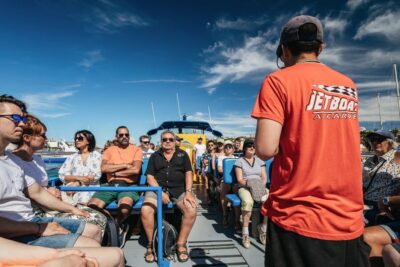 ★ 4.6Albufeira: 2.5-Hour Benagil Caves & Dolphin WatchingFrom $4010,710 reviews
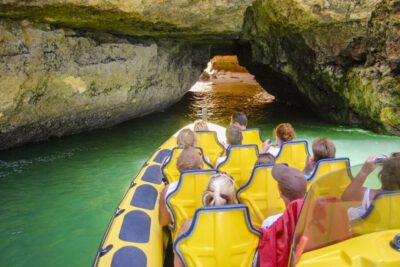 ★ 4.6Albufeira: Benagil Caves & Dolphin Watching Speed Boat TourFrom $406,316 reviews
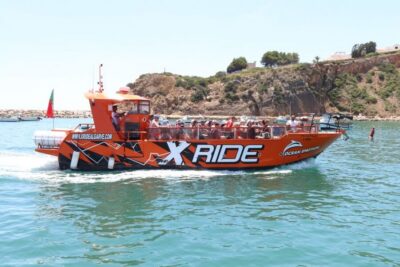 ★ 4.7Albufeira: Dolphin Watching and Benagil CaveFrom $345,658 reviews
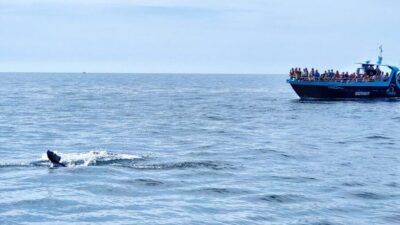 ★ 4.8Portimão: Benagil Caves & Dolphins Watching with BiologistFrom $473,795 reviews
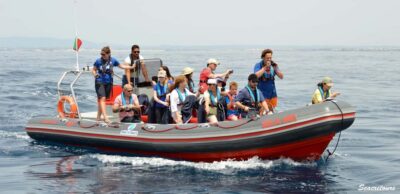 ★ 4.8Albufeira: Dolphin Watching and Benagil Cave Boat CruiseFrom $383,008 reviews
 ★ 4.7Lagos: Combo Dolphin and Benagil Tour with Marine BiologistFrom $632,352 reviews
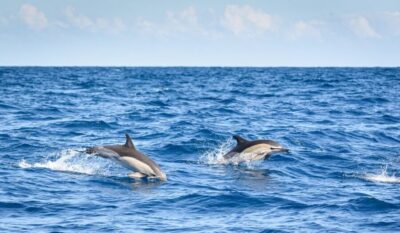 ★ 4.9Lagos: Dolphins & Caves – CatamaranFrom $581,512 reviews
 ★ 4.9Lagos: Dolphin Watch Tour with Professional Marine BiologistFrom $421,500 reviews
Browse the lists this tour appears in