
Reviewed · ALGARVE FOOD & TAPAS TOURS
Cataplana for all: from market to the table
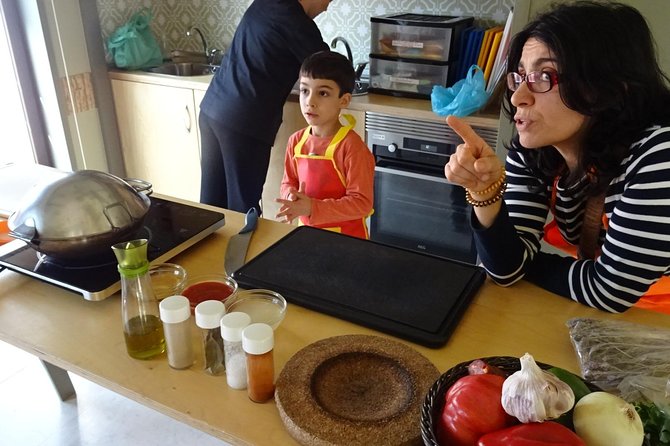
Cataplana tastes like the Algarve’s greatest hits, and learning it this way feels practical, not touristy. I love the market-to-kitchen flow, because you shop with context, and I love that the class ends with a real lunch you prepared. The one drawback to think about is timing: it’s a 4-hour block starting at 10:30 am, so if you’re more of a late-starter, this may feel tight.
One reason this works so well is that you’re not just following steps. You’re making decisions—what to buy, what fits the season, and how the dish should come together. Group size is capped at 18, which helps the chef stay on top of questions.
In This Review
- Key Highlights You’ll Actually Use
- Why Cataplana Belongs on Your Algarve Food List
- Faro Municipal Market: Learn What to Buy Before You Cook
- A practical note before you go
- To Tertúlia Algarvia: The Cataplana Class Gets Real
- The Cooking Lesson: Fish and Shellfish or Vegetarian Cataplana
- Lunch at the End: Eating Like You Built It
- The Regional Shop Stop: Take a Bit of the Algarve Home
- Price, Time, and Group Size: Does It Offer Value?
- Who This Cataplana for All Class Suits Best
- Should You Book This Cataplana for All Class?
- FAQ
- FAQ
- What time does the Cataplana for all experience start?
- Where do I meet for the tour?
- How long is the experience?
- What’s included in the price?
- What cataplana options are offered during the class?
- Is transportation included?
Key Highlights You’ll Actually Use
- Faro Municipal Market ingredient lesson before you cook, so you understand what you’re buying
- Chef-led cataplana method explained with clear reasoning, not just steps
- Two menu paths: fish and shellfish style or a vegetarian version
- Lunch included, so the class doubles as your meal
- Small group cap (max 18) for better attention and pacing
- Regional shop time after you eat, for odds-and-ends Algarve food gifts
Why Cataplana Belongs on Your Algarve Food List
If you want one signature dish for the Algarve, cataplana is a smart pick. It’s iconic, it’s recognizable, and it’s also flexible enough to fit different preferences because you can learn it in either a seafood-forward or vegetarian way.
What I like most is the structure of the experience. You start with the market side of the story—colors, smells, and ingredients—and you move into technique. That makes cataplana less mysterious. By the time you’re in the kitchen, you already know why certain items matter, which is what turns a cooking class from entertainment into something you can repeat later at home.
You’ll also get a sense of the Algarve’s day-to-day rhythm through food choices. The instructors focus on the shopping and preparation logic behind the dish, including seasonal thinking—so the lesson doesn’t feel like a frozen recipe.
Here are more food and tapas walks tasting the flavours of Faro.


Faro Municipal Market: Learn What to Buy Before You Cook
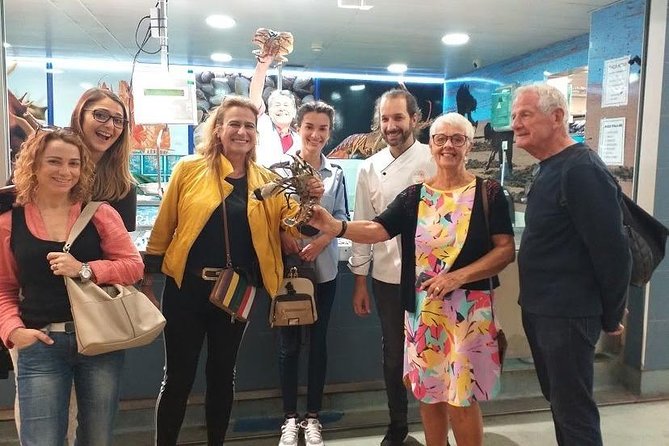
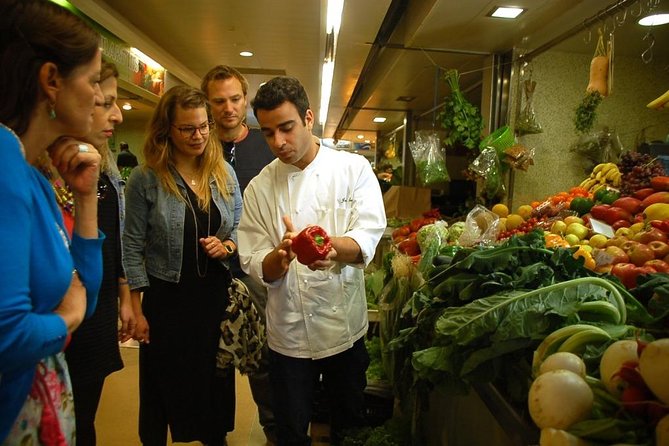
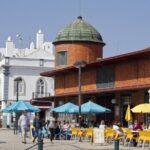
This experience starts at Faro Municipal Market, in the morning (10:30 am). That choice is more than convenient. Markets work best when you’re present early, when the food is fresh-looking and the vibe is active. You’ll meet at Largo Dr. Francisco Sa Carneiro, 8000-151 Faro, Portugal, and then the group heads into the market to purchase cataplana ingredients.
Here’s the payoff: you’re not just buying what sounds right. You’re learning how to shop for the dish. One standout theme from the chef-led sessions (including instructors such as Chef Alex and Chef Suzanna) is that questions are welcome, and the guidance is practical. In one session example, the chef explained how to shop while discussing seasons—what changes, what stays dependable, and how to think about seafood and produce as ingredients, not props.
You can expect to see a spread that helps you understand the Algarve’s mix of sea and land flavors:
- seafood and shellfish options suited to cataplana
- regional produce you’ll pair with the sauce components
- cured meats you may encounter as part of the market’s broader food culture
Keep an eye on how the chef frames it: what you’re aiming for is balance. Cataplana isn’t only about “more seafood.” It’s about getting a mix that plays well in the finished dish.
A practical note before you go
Wear shoes that can handle market floors. You’ll be on your feet during the ingredient walk, and it’s easier when you can move comfortably and quickly.
To Tertúlia Algarvia: The Cataplana Class Gets Real
After the market shopping, you head to Tertúlia Algarvia for the cooking portion. This is where the experience shifts from shopping talk to hands-on technique.
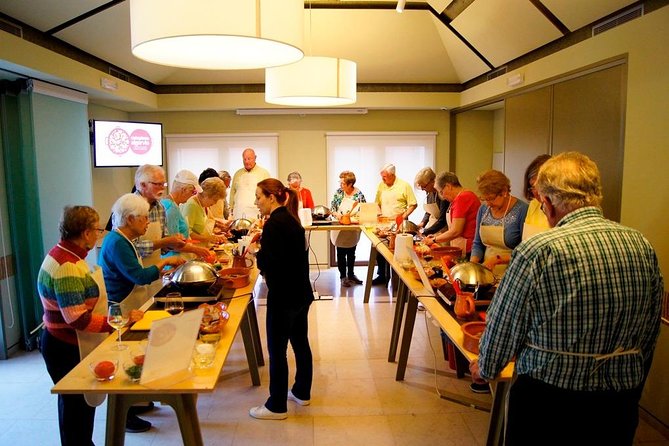
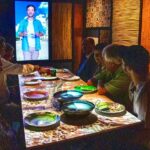
You can expect a short setup phase that helps you understand what you’re about to make. There’s conversation and a video screening about cataplana, which is a good move because it gives structure before you start chopping and assembling. Then you move directly into cooking with your chef.
Tertúlia Algarvia also gives you that feeling of a local food learning space rather than a generic studio. The group stays small enough that you’re not lost in a crowd, and you get the chance to ask questions without your timing getting steamrolled.
The chefs in past sessions (for example Alex and Suzanna) have been praised for being patient and accommodating with group needs, including dietary differences. So if you’re coming with a vegetarian preference, this format is built for it rather than forcing you to accept a compromise.
The Cooking Lesson: Fish and Shellfish or Vegetarian Cataplana
This is where you’ll spend the bulk of your effort: learning how to prepare cataplana using one of two tracks:
- fish and shellfish cataplana
- vegetarian cataplana
That choice matters. A good cooking class doesn’t treat vegetarian as an afterthought. Here, you’re given a way to learn the dish while keeping the core idea intact. You still learn method and logic—you’re just working with a different ingredient base.
The cooking process is taught in a group setting, and it’s designed for you to leave with a dish that you can actually enjoy right after. Since lunch is included, you’re cooking for immediate results, which keeps the energy up and makes you pay attention to the details that affect flavor and texture.
Even if your cooking skills are basic, the class format helps. You’re not trying to recreate a complex dish from memory. You’re building it while being guided, so you can focus on learning the why behind steps—like how you choose ingredients, how you handle timing, and how you assemble the final dish.
A few more Faro trips and experiences worth a spot on the list
Lunch at the End: Eating Like You Built It
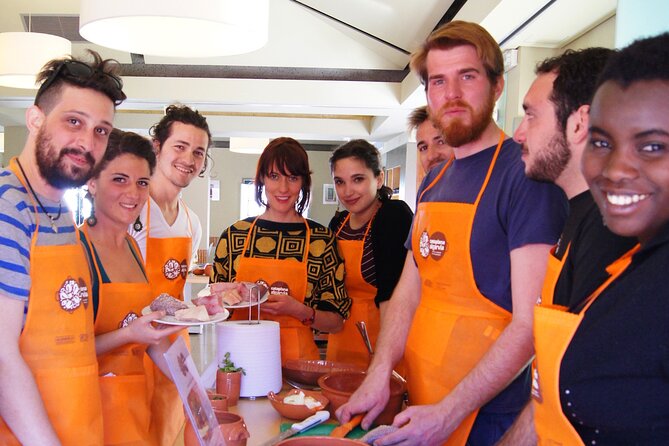
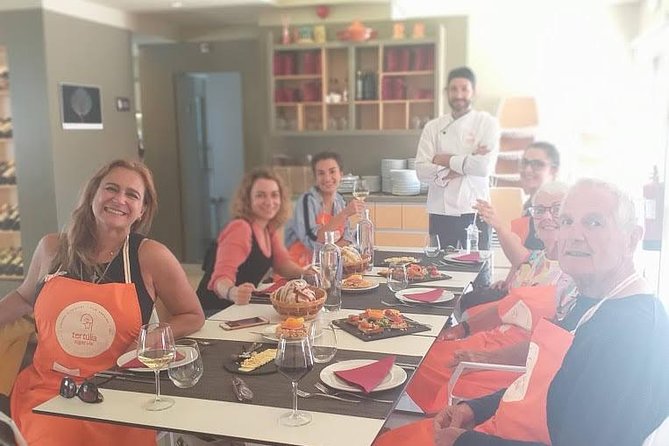
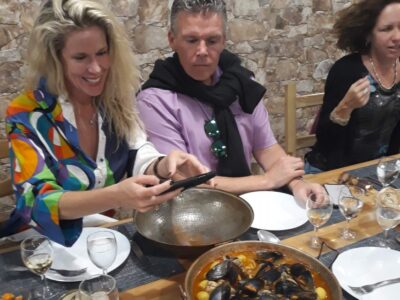
One of the smartest aspects of this experience is simple: you cook and then you eat. The package includes lunch, and it’s a traditional meal built around what you made during class.
That means you’re not stuck doing a cooking marathon with no reward. You finish, sit down, and actually taste the outcome with your group. It’s also a chance to adjust your understanding of the dish in real time. If something tastes off for your preferences, you can learn what might cause it next time.
There’s also a bonus factor: because you’re eating at the end in the same setting, it feels like one continuous story. Market → cooking → lunch, instead of split parts that feel disconnected.
The Regional Shop Stop: Take a Bit of the Algarve Home
After lunch, you’ll visit the regional shop at Tertúlia Algarvia. This is where you can turn the lesson into souvenirs that aren’t just decorative.
What’s useful here is the opportunity to buy food items that connect to what you learned. Since cataplana is ingredient-driven, having local products on hand can make it easier to try the dish at home (even if you don’t recreate every detail). You also get a chance to ask questions in a more relaxed way, because the main class work is already done.
Don’t expect this to replace grocery shopping in Faro, but it can be a good way to find small, food-focused takeaways that fit your suitcase.
Price, Time, and Group Size: Does It Offer Value?
At $159.04 per person for about 4 hours, the value depends on what you want from a food experience. If you want a cooking lesson plus a full lunch, it’s more than a snack tour.
Here’s how I’d think about the math and the meaning:
- You’re paying for ingredient guidance at Faro Municipal Market, where knowing what to buy saves you the guesswork.
- You’re paying for hands-on instruction through the cataplana process (including the option for seafood-and-shellfish or vegetarian).
- You’re paying for lunch included, which turns the class into a meal, not a separate cost later.
- The group size is capped at 18, which usually means better interaction and fewer long waits.
The schedule starts at 10:30 am and ends back at the meeting point. So you’re not spending hours commuting or piecing together different stops. The only thing you’d need to plan is transport to get to Faro Municipal Market. Private transportation isn’t included, but the area is near public transport, which keeps it practical.
One more small consideration: the tour is booked on average about 46 days in advance. That’s often a sign of consistent demand, so if your dates are set, it’s smart to lock it in sooner rather than later.
Who This Cataplana for All Class Suits Best
This class is a strong fit if you want an Algarve food experience that’s hands-on and structured.
It’s especially good for:
- food-focused travelers who like learning while they’re doing
- people who enjoy markets and want to shop with guidance, not just browse
- couples and small groups who want a shared activity with a clear endpoint
- vegetarians who want a class built for you, not a later substitution
It may be less ideal if:
- you dislike mornings or tight schedules
- you’re only looking for a quick taste without cooking involvement
- you want a lot of free time for wandering; this is a guided flow from start to finish
Should You Book This Cataplana for All Class?
I think it’s worth booking if you want a cataplana experience that actually teaches you something usable. The market portion adds meaning, and the fact that lunch is included makes the time feel efficient rather than dragged out.
If you’re deciding between a pure food tasting and a cooking class, this one sits in a sweet spot: you get shopping context, hands-on method, and then you eat the result. That’s the kind of day that sticks with you, because you don’t just remember flavor—you remember choices you learned how to make.
Book it if:
- you want a guided cataplana lesson in Faro
- you’d enjoy learning either fish-and-shellfish or vegetarian versions
- you like small-group attention (max 18)
Skip it if:
- you can’t manage a 10:30 am start
- you’re looking for a long, self-directed market wander instead of a structured class day
FAQ
FAQ
What time does the Cataplana for all experience start?
It starts at 10:30 am.
Where do I meet for the tour?
You meet at Faro Municipal Market, Largo Dr. Francisco Sa Carneiro, 8000-151 Faro, Portugal.
How long is the experience?
It lasts about 4 hours.
What’s included in the price?
It includes lunch and an apron.
What cataplana options are offered during the class?
You can learn a fish and shellfish cataplana or a vegetarian cataplana.
Is transportation included?
No. Private transportation isn’t included. The meeting point is described as near public transportation.
More Market & Shopping Trips in Faro
More Tour Reviews in Faro
More Algarve Food & Tapas Tours in Faro


Not quite it? Here is more to do along the Faro coast that we have reviewed








Algarve Food & Tapas Tours, compared.
 ★ 4.8Lagos: Ponta Piedade Sail & Caves Cruise w/Portuguese TapasFrom $38360 reviews
 ★ 4.8Lagos: 3-Hour Algarve Classic Food TourFrom $104284 reviews
 ★ 5.0Classic Food Tour – LagosFrom $107232 reviews
 ★ 5.0Sail, Swim & TapasFrom $42209 reviews
 ★ 4.9Faro: Old Town Guided Walking Food TourFrom $10494 reviews
 ★ 4.8Lagos/Praia da Luz: Wine Tour, Tastings, Tapas, and MusicFrom $6875 reviews
 ★ 4.9Faro City Portuguese Wine Tasting and Tapas Guided TourFrom $11147 reviews
 ★ 5.03 Hours Classic Food Tour in FaroFrom $10642 reviews
Browse the lists this tour appears in