

Reviewed · LAGOS BOAT & KAYAK TRIPS
Classic Food Tour – Lagos
Food and history meet on one walk in Lagos. I love that this Classic Food Tour pairs food tasting with drinks at every stop, so you’re always eating something new without guessing what comes next. One watch-out: there is no vegetarian or vegan option, so you’ll want to consider that before you book.
What I also like is the route through real Lagos landmarks, including a church tied to the 1755 earthquake and a Baroque Saint Anthony interior with carved gold-plated woodwork. You’re not just on a food run—you’re learning why this corner of Portugal eats the way it does, with a guide sharing city history in the gaps between tastings.
It’s a private walking tour, so it’s only your group, and most travelers can join. Expect around 3 hours on foot, with drinks that keep the pace social (and alcohol is included).
In This Review
- Key highlights worth building your trip around
- Price and Logistics: What $107.68 Buys You in Lagos
- The Route Through Lagos History: Infante Dom Henrique to Dom Sebastião
- Stop at the Infante Dom Henrique statue (start of the walk)
- The church that survived the 1755 earthquake
- Baroque Saint Anthony church with gold-plated carved woodwork
- The square and old city entrance gate linked to D. João III
- The Dom Sebastião statue: a dramatic story with political consequences
- Where the Food Happens: 3 to 4 Local Taverns, About 10 Tastings
- What you can expect to taste
- Why small businesses are the point
- The main limitation: no vegetarian or vegan option
- Drinks at Every Stop (and the 18+ Rule You Should Plan Around)
- What this means for your pace and energy
- Minimum drinking age
- Guides, Personality, and How You’ll Experience the City
- Who This Tour Fits Best in Lagos
- Practical Tips to Get the Most From the 3-Hour Walk
- Eat prep (even though you’ll eat on the tour)
- Go with the right expectations about variety
- Bring your questions
- Pace yourself with the drinks
- Value Check: Why This Tour Often Feels Worth It
- Should You Book the Classic Food Tour in Lagos?
- FAQ
- How long is the Classic Food Tour in Lagos?
- Where does the tour start and end?
- How many food stops and tastings should I expect?
- Are drinks included, and is there an age limit?
- Do they offer gluten-free options?
- Is there a vegetarian or vegan option?
- Is it a private tour?
- What is the cancellation policy?
Key highlights worth building your trip around
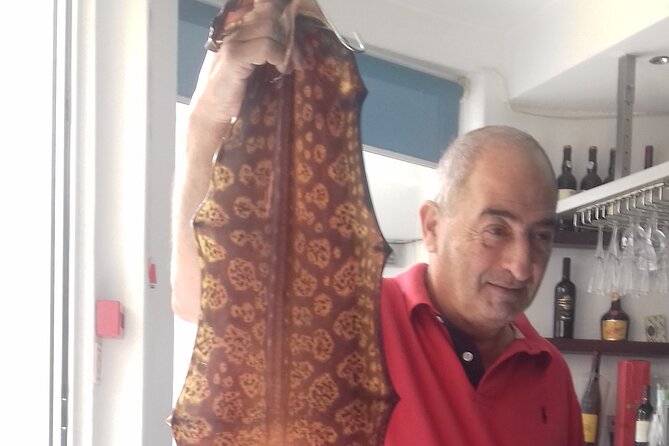
- Drinks included at every stop: 1 drink per stop plus one local liquor
- About 10 food tastings across 3 to 4 small local businesses
- Small, private format: only your group participates
- History stops that match the walking route: Infante Dom Henrique, Baroque churches, and city-gate stories
- Diet options are limited: gluten free available, but no vegetarian or vegan option
- Alcohol is part of the package: minimum drinking age is 18
Price and Logistics: What $107.68 Buys You in Lagos
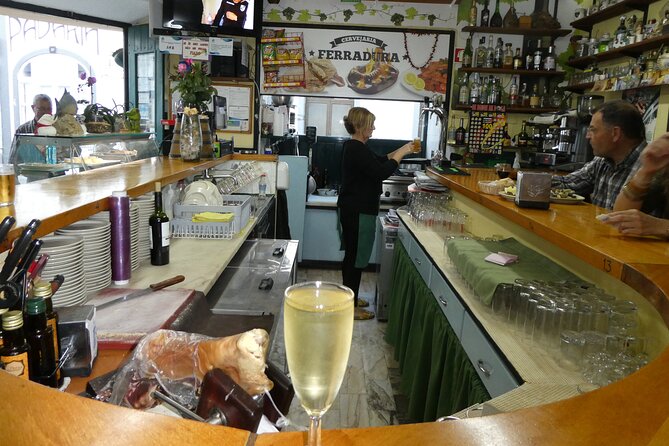
At $107.68 per person for about 3 hours, this isn’t a cheap snack crawl. But the pricing starts to make sense when you look at what’s packed in: 3 to 4 local business stops, around 10 tastings, and alcoholic beverages included (one drink per stop plus local liquor). That’s a lot of “organized sampling,” and it saves you the usual problem of trying to order your way through Portuguese menus on your own.
You also get a guided walking structure. This matters more than it sounds. In Lagos, the best food can be in places you might walk past twice—especially if you’re focused on the obvious sights. Here, the guide helps you move between neighborhoods and historic spots while you’re fed along the way.
A quick practical note: there are different meeting points depending on tour time. The tour you’re reading about has these meeting areas:
- Morning market tour starts at Mercado Municipal de Lagos
- Evening tour starts at the Prince Henry / Infante Dom Henrique statue area (and the address listed is R. da Porta de Portugal 13, 8600-330 Lagos)
The tour runs as a private activity, and you’ll have a mobile ticket. You won’t have hotel pickup. You’ll be walking on your own from the meeting point.
Here are more Lagos boat trips and paddle outings we have been out to review around Lagos.


The Route Through Lagos History: Infante Dom Henrique to Dom Sebastião
This tour is built like a story you walk through. The food stops plug into the cultural context, and you get city history between bites. The landmarks are not random either—each one connects to Portuguese identity and the way Lagos developed.
Stop at the Infante Dom Henrique statue (start of the walk)
You begin at the Statue of Infante Dom Henrique, which is the core starting point for the evening tour. This sets the tone fast. Dom Henrique is tied to Portugal’s maritime era, and your guide uses the spot to frame how Lagos fits into a larger history of exploration and trade. It also gives you an easy anchor: you’re not just wandering around hungry—you’re starting from a recognizable point and moving through the old city.
The church that survived the 1755 earthquake
Next comes a church devoted to the Virgin Mary. It’s one of the few buildings that survived the world famous 1755 earthquake, and it sits overlooking Infante Dom Henrique square. That detail sticks, because it turns a pretty church into a time marker. You start to understand why Lagos architecture and city planning feel layered: buildings survived, people rebuilt, and culture stayed close to the same streets for generations.
The drawback here is simple: if you’re not into churches, you might feel you’re spending time looking at stone and wood while your stomach is doing the talking. The payoff is the way the guide connects the historical context to local life and food culture.
Baroque Saint Anthony church with gold-plated carved woodwork
Then you visit an 18th-century church devoted to Saint Anthony. The standout is the breathtaking carved gold-plated woodwork, a major example of Baroque style. Even if you’re not a religion-history person, Baroque art is usually the kind of thing you can’t unsee once you’ve seen it. The guide’s commentary helps you see it as more than decoration—Baroque style is also about showing craft and devotion in a very public way.
Here are more food and tapas walks tasting the flavours of Lagos.






The square and old city entrance gate linked to D. João III
You also stop at a square famous for an old city entrance gate, built in the 16th century as part of an expansion wall project attributed to D. João III. This part matters because it explains how Lagos managed movement—who entered, how the city protected itself, and how walls shaped what streets became important.
When you’re later eating local food in smaller restaurants, it helps to remember: these businesses are sitting inside an urban fabric that has guided daily life for centuries.
The Dom Sebastião statue: a dramatic story with political consequences
The tour includes a statue depicting Dom Sebastian, a boy king known for a major historical mistake: setting off into a North African crusade that ended with his death. After that, power shifted in ways that mattered for Portugal, including the rise of the Spanish Habsburg Kings to the Portuguese throne.
This is the sort of story that makes a statue feel alive. You’re not just standing next to a figure; you’re learning how one decision changed the political map—and that kind of ripple effect is exactly why your guide’s historical framing makes the walk more than a photo opportunity.
Where the Food Happens: 3 to 4 Local Taverns, About 10 Tastings
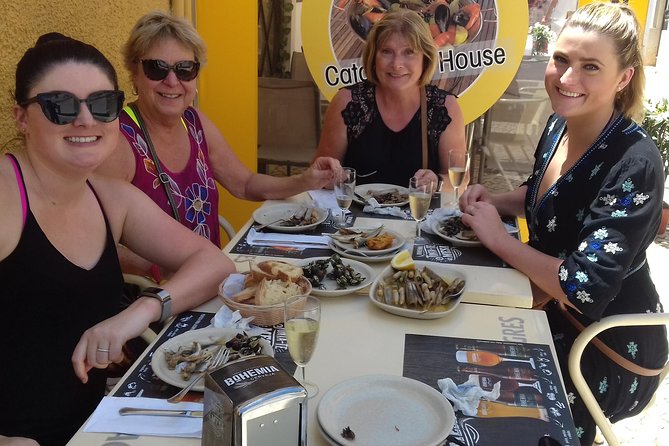
The heart of the experience is 3 to 4 stops at small local businesses. You should expect around 10 food tastings total. That tasting count is what makes this tour work for most people. Instead of committing to one heavy meal, you sample enough variety to learn what Lagos does well—then you can order smarter later.
What you can expect to taste
The exact menu can vary by stop and timing, but the dishes that come up often in the tour’s experience include:
- pork sandwich
- bean stew
- fish soup
- wine (often paired alongside tastings)
Because each tasting is paired with a drink, you’ll also start picking up patterns: salty meets crisp, warm stews pair with something refreshing, seafood soups tend to get matched in a way that doesn’t flatten the flavor.
Why small businesses are the point
The tour steers you toward places you might not pick from a map. That’s not just about “finding hidden spots.” It’s about getting real choices—restaurants that locals actually return to. The vibe is part of the food. You’ll get a sense of how the city eats day-to-day, not only how tourists are marketed to.
The main limitation: no vegetarian or vegan option
This is the one item you should take seriously. The tour does not list vegetarian or vegan options. If your diet is vegetarian/vegan, you may be stuck with the least satisfying parts of a tasting menu, or you might spend the tour waiting for something that doesn’t arrive.
If you’re gluten sensitive, the tour says a gluten free option is available, but you’ll still want to share your needs clearly when booking.
Drinks at Every Stop (and the 18+ Rule You Should Plan Around)
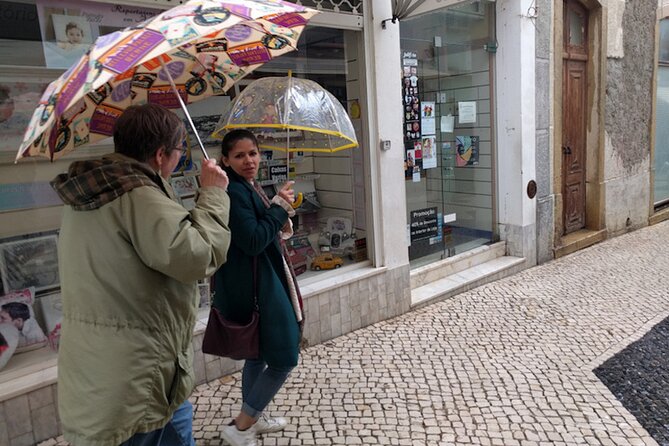
One of the clearest promises here is drinking: you get 1 drink per stop plus one local liquor, and alcoholic beverages are included. That affects the experience in a practical way.
What this means for your pace and energy
With drinks folded into each tasting, the tour doesn’t feel like a checklist. It feels more like a guided night out where you’re sampling, chatting, and building momentum between stops. You’ll likely laugh more than you expect, and you’ll feel comfortable asking questions.
But there’s a trade-off. If you’re not a big drinker, you might find the alcohol volume pushes the tour toward a social rhythm instead of a calm food crawl. The good news: the tastings are still the main event. The better news: you have multiple flavors coming quickly, so you won’t feel stuck on one heavy dish for too long.
Minimum drinking age
The minimum drinking age is 18, so if anyone in your group is under that age, they won’t fit the plan.
Guides, Personality, and How You’ll Experience the City
The tour experience is heavily shaped by the guide. Names that show up often include Sophia, João, and Ester. Across these guides, the consistent pattern is storytelling that makes food make sense.
You’ll usually get:
- context for what you’re eating
- history tied to what you’re seeing
- pacing that avoids long dead stretches
That pacing point matters more than it seems. A 3-hour walking tour can go either way: it can feel rushed, or it can feel like you’re stuck in place too long. The format here aims for “enough time to taste and learn,” which is exactly how you want a first night out in Lagos to feel.
Who This Tour Fits Best in Lagos
This tour is best for people who want a first-hit orientation to Lagos food and old-town culture.
I think it’s a smart fit if you:
- want Algarve cuisine without guessing menu items
- enjoy history stories that connect to places you can see
- like a guided, social format with drinks included
It’s not the best fit if:
- you’re vegetarian or vegan (no option listed)
- you avoid alcohol and prefer a dry, food-only format
For most other travelers, it works well because it’s near public transportation and designed as an easy walk for most travelers can participate.
Practical Tips to Get the Most From the 3-Hour Walk
Here’s how to set yourself up for a smooth experience.
Eat prep (even though you’ll eat on the tour)
Because you’ll get tastings at multiple stops, you’ll want to avoid arriving starving enough to feel overwhelmed. Light snacking beforehand is usually the move if you tend to eat too fast when excited.
Go with the right expectations about variety
You’re getting about 10 tastings, but that doesn’t mean every stop will have a full “meal” feel. Instead, it’s more like a guided sampler. If you come hungry, you’ll be happy. If you come expecting one big sit-down dinner, you might be mildly disappointed.
Bring your questions
The guide’s job is not just to point at dishes. Ask what the ingredients are, why the dish shows up in local taverns, and how Portuguese flavors differ from what you’re used to at home. The format practically invites conversation.
Pace yourself with the drinks
Since alcohol is included, plan to sip and pace yourself. You’re still walking between sites, and you’ll enjoy the history stops more if you stay steady.
Value Check: Why This Tour Often Feels Worth It
Let’s do the honest math with what you know:
- $107.68 for ~3 hours
- 3 to 4 stops
- around 10 tastings
- 1 drink per stop plus local liquor
- guided walking tour
In many cities, you’d spend that kind of money fast just on dinner plus a couple drinks. Here, you’re paying for a guided “sampling loop,” plus the explanation that helps you remember what you tasted and where to go again on your own.
That’s also why the pricing lines up with the high satisfaction score: the tour isn’t only about eating. It’s about learning enough to navigate Portuguese menus afterward.
Should You Book the Classic Food Tour in Lagos?
If you’re planning a first visit to Lagos and you want a friendly, guided way to try Algarve-style food while seeing major old-town landmarks, I’d say yes. This is a solid “start of trip” activity because it gives you both flavors and context fast.
Book it if:
- you’re comfortable with alcohol included
- you want multiple Portuguese tastings in small local restaurants
- you like history that’s tied to places you walk past
Think twice or pick another option if:
- your diet is vegetarian or vegan (no option listed)
- you prefer a no-drinks tour
If you do fit the target audience, this is exactly the kind of outing that turns Lagos from a list of sights into a place with taste, stories, and places you’ll want to revisit.
FAQ
How long is the Classic Food Tour in Lagos?
The tour lasts about 3 hours.
Where does the tour start and end?
For the evening option, the tour starts and ends at R. da Porta de Portugal 13, 8600-330 Lagos, Portugal. The morning market tour meeting point is at Mercado Municipal de Lagos.
How many food stops and tastings should I expect?
You’ll visit 3 to 4 stops at small local businesses and enjoy around 10 food tastings.
Are drinks included, and is there an age limit?
Yes. You get 1 drink per stop plus one local liquor, and alcoholic beverages are included. The minimum drinking age is 18.
Do they offer gluten-free options?
Yes. A gluten free option is available.
Is there a vegetarian or vegan option?
No. There is no vegetarian or vegan option listed.
Is it a private tour?
Yes. It’s a private tour/activity, so only your group participates.
What is the cancellation policy?
You can cancel for a full refund up to 24 hours in advance of the start time.
More Tour Reviews in Lagos

More Algarve Food & Tapas Tours in Lagos

More Lagos Boat & Kayak Outings in Lagos

Not quite it? Here is more to do along the Lagos coast that we have reviewed












Lagos Boat & Kayak Trips, compared.
 ★ 4.9From Lagos: Boat Cruise to Ponta da PiedadeFrom $213,346 reviews
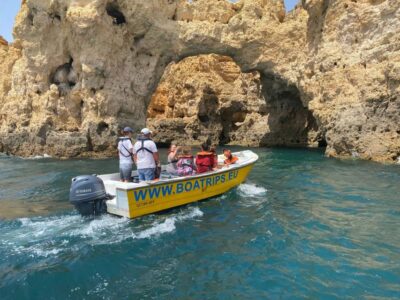 ★ 4.8Lagos: Boat Cruise to Ponta da PiedadeFrom $202,645 reviews
 ★ 4.7Lagos: Combo Dolphin and Benagil Tour with Marine BiologistFrom $632,352 reviews
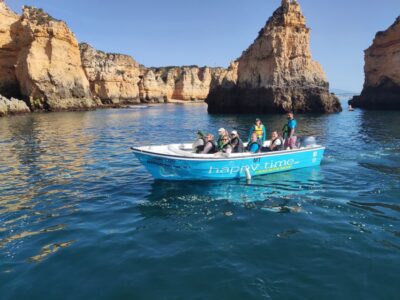 ★ 4.9Lagos: Ponta da Piedade Rock Formations Guided Boat TourFrom $202,290 reviews
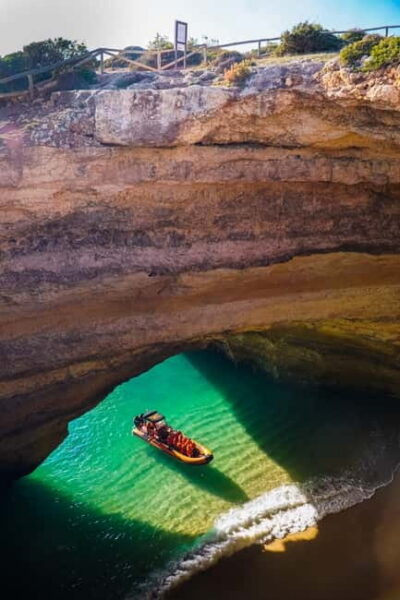 ★ 4.7From Lagos: Benagil Caves Speedboat AdventureFrom $382,211 reviews
 ★ 4.8From Lagos: Kayaking and Boat Cave Explorer TourFrom $411,988 reviews
 ★ 4.8Lagos: Guided Kayak TourFrom $401,639 reviews
 ★ 4.9Lagos: Dolphins & Caves – CatamaranFrom $581,512 reviews
Browse the lists this tour appears in