
Reviewed · LAGOS BOAT & KAYAK TRIPS
Dolphin and Whale Watching in Lagos
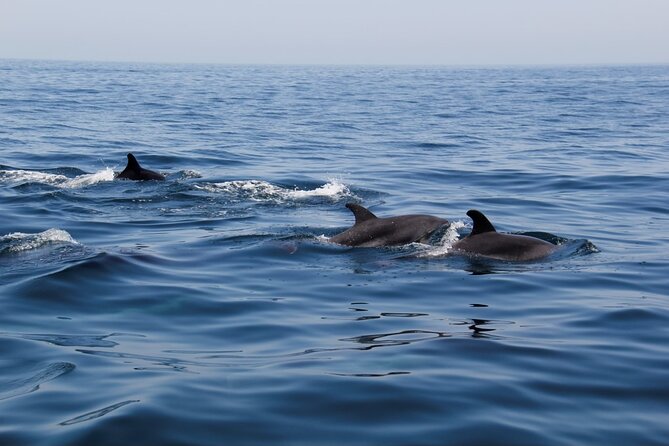
Dolphins can steal the show in Lagos. This Lagos dolphin and whale cruise puts you out on the Atlantic with a guide who hunts for cetaceans in the wild, not in a tank. I also like the 11:30 am start, which makes the morning feel relaxed instead of rushed.
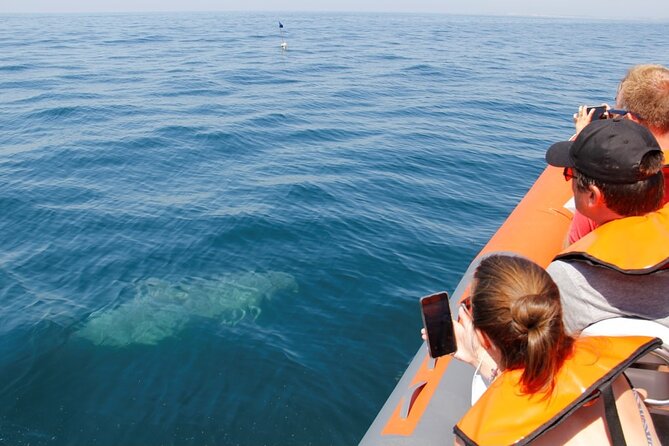
I like that you’re in a rigid inflatable boat (RIB), the type built for speed and real sea-life spotting offshore. The boat used here is called Aftermath, and the setup is meant to keep you comfortable while you scan the water.
One thing to plan for: you’re watching wildlife. Sightings can be brief, and if the dolphins (or whales) move, you may follow—so there’s a chance you leave with amazing moments and a few stretches of open water.
In This Review
- Key points worth knowing before you go
- Lagos Dolphin and Whale Watching: Why This Part of the Algarve Makes Sense
- Meeting Point at Passeio dos Descobrimentos and Boarding the RIB Aftermath
- The 11:30 am Start: A Better Morning Rhythm for Dolphin Spotting
- What the 1.5-Hour Cruise Really Looks Like on the Water
- How the Guide Finds Dolphins and Whales Near the Algarve Coast
- Species Chances: What You Can Actually Watch For
- The Photo Reality: When Dolphins Pop Up Fast
- Comfort, Motion, and Fitness: Who This RIB Trip Fits Best
- Weather-Dependent Seas: Planning for What You Can’t Control
- Value for Money: What You’re Really Paying For
- Should You Book This Dolphin and Whale Watching Tour in Lagos?
- FAQ
- How long is the dolphin and whale watching tour?
- What time does the tour start?
- Where do I meet the tour?
- Is the tour offered in English?
- Is a mobile ticket provided?
- Is this tour suitable for children?
- What happens if weather is poor?
Key points worth knowing before you go
- Late-morning timing (11:30 am): an easier start for your day in Lagos.
- RIB Aftermath: a fast, sturdy boat format that gets you into the action area offshore.
- Guide spot-hunting: the crew aims for the best places to see dolphins and whales in natural habitat.
- Small group size (max 18): less crowded than the big tour boats.
- Sightings are unpredictable: you might get quick bursts of action or follow the movement.
- Watch from every direction: the search can mean dolphins pop up from surprising angles.
Lagos Dolphin and Whale Watching: Why This Part of the Algarve Makes Sense
Lagos has the right ingredients for a cetacean cruise: access to the Atlantic right off the coast, and a guide-led search pattern designed for living animals, not a scripted show.
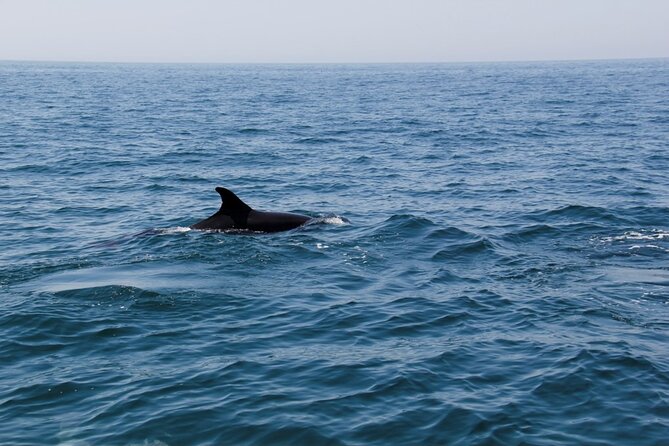
This tour is about seeing different species when the ocean allows it. The kinds of dolphins you may see include common dolphin, bottlenose, harbor porpoise, and Risso. The tour also advertises the chance to see whales as well, which is why the guide keeps scanning instead of locking into one spot too early.
The big value here is simple: you’re not just going out for a ride. You’re going out to look, with someone whose job is to put you near where sea life is most likely to show up.
Here are more Lagos boat trips and paddle outings we have been out to review around Lagos.
Meeting Point at Passeio dos Descobrimentos and Boarding the RIB Aftermath
You’ll meet at Passeio dos Descobrimentos 10, 8600-315 Lagos. The activity ends back at the same meeting point, so you’re not dealing with awkward drop-offs or transport puzzles at the end.
The tour uses a mobile ticket, and language is English. It’s also listed as near public transportation, which matters in Lagos because you don’t want your whole day to depend on a parking spot.
The boat experience itself is on a RIB, specifically the Aftermath. That detail matters because RIBs handle open water well and can reposition quickly if the guide spots something interesting. If you’re sensitive to motion, know that RIB cruises can feel brisk. One review described the ride as a little scary, but said the dolphins made it worth it. That’s the trade: speed and positioning come with a bit of adrenaline.
The 11:30 am Start: A Better Morning Rhythm for Dolphin Spotting
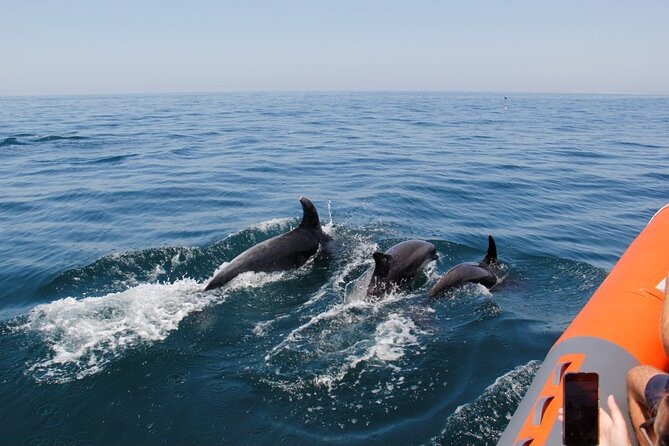
Starting at 11:30 am is a quiet advantage. In summer, early mornings can be beautiful but also brutal if you’re not a true 7 am person. Here, you get time to eat, wander, and take your time before stepping into the boat.
Late morning also helps your camera strategy. Light tends to be easier to work with than deep morning gloom, and you’re less likely to feel like the day is already slipping away before you even leave shore.
So if you’re planning a full day in Lagos, this timing is a clean fit: you can do a slow morning, then spend the early afternoon chasing sea life, and still keep the rest of your day open afterward.
What the 1.5-Hour Cruise Really Looks Like on the Water
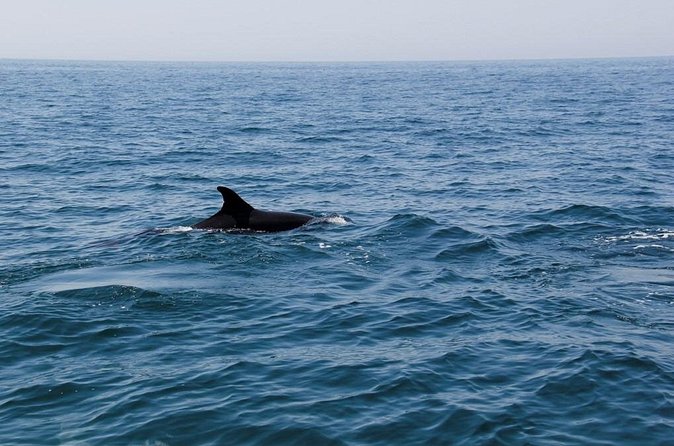
The trip runs about 1 hour 30 minutes. That length is long enough for a real offshore search, but short enough that it doesn’t drag if the ocean is slow.
You’ll go out on the vast Atlantic Ocean just outside the Algarve coast. The point of that distance is to increase your odds of encountering dolphins and other cetaceans in a more natural setting.
Expect a pattern of scanning and repositioning. The guide looks for the best spots to see sea life, and that can mean you move when the action shifts. The goal is to maximize sighting chances within the fixed time window.
This is also where you should set your expectations. A mixed review shared a downside: dolphins were seen for a short moment, then the boat went to another area for a long stretch without sightings. That’s not necessarily a failure on the operator’s side. In open water, animals move. But it does mean your personal outcome can vary day to day.
How the Guide Finds Dolphins and Whales Near the Algarve Coast
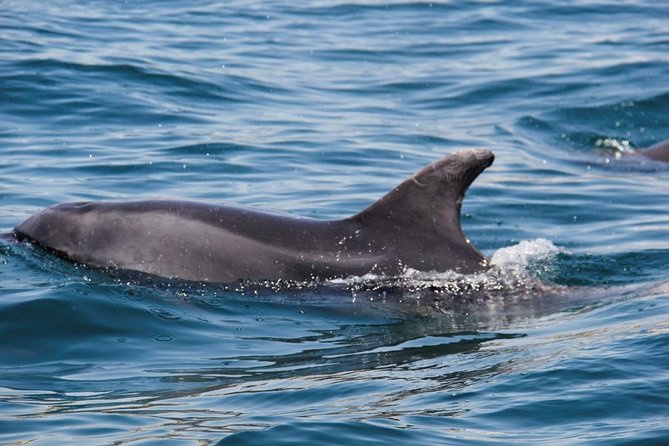
The tour is explicitly guide-led, with a focus on picking good locations. That’s the whole difference between a casual boat trip and a serious wildlife hunt.
This kind of search requires constant attention. Dolphins can surface and disappear fast. They can show up from different directions. One review even warned that you have to watch everywhere, because you don’t know where they’ll come from. That’s good advice for you too.
You’ll also notice the tour’s service style in the way people talk about the team. One positive review praised the team for waiting until they saw dolphins, even though time was running out. Another review described the experience as a great family moment, but also flagged the visual challenge of catching dolphins quickly on camera.
So what should you do while you’re out there? Keep your eyes moving. Don’t lock onto one patch of water as if the ocean owes you continuity. Instead, scan the horizon and the wake area, and be ready to lift your camera fast.
Read more dolphin-watching safaris heading out from the Lagos coast.
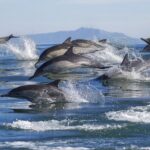
Species Chances: What You Can Actually Watch For
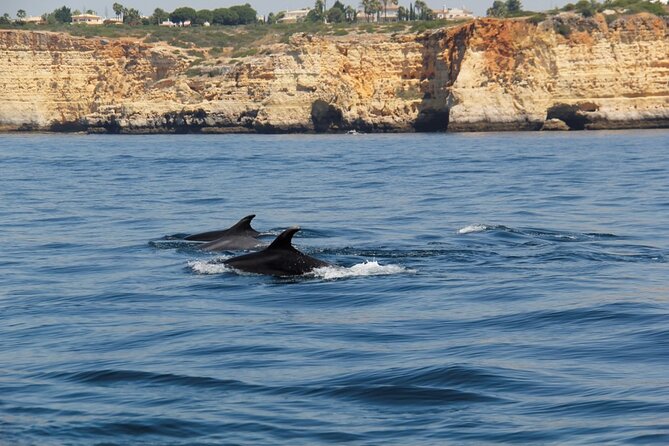
Let’s talk about what’s on the watch list, since that’s what keeps your brain busy when the water looks empty.
The tour mentions these species as ones that can usually be seen:
- Common dolphin
- Bottlenose dolphin
- Harbor porpoise
- Risso’s dolphin
The tour also mentions the chance to see whales and “different cetaceans.” The exact whale species isn’t listed, so treat the whale part as a bonus possibility rather than a guarantee.
The only extra behavioral detail provided is about why dolphins are so loved: they’re known for intelligence and playfulness. In practice, that often means when they show up, they don’t just surface once and vanish. They may cruise with the boat or appear in ways that feel lively and interactive.
The Photo Reality: When Dolphins Pop Up Fast
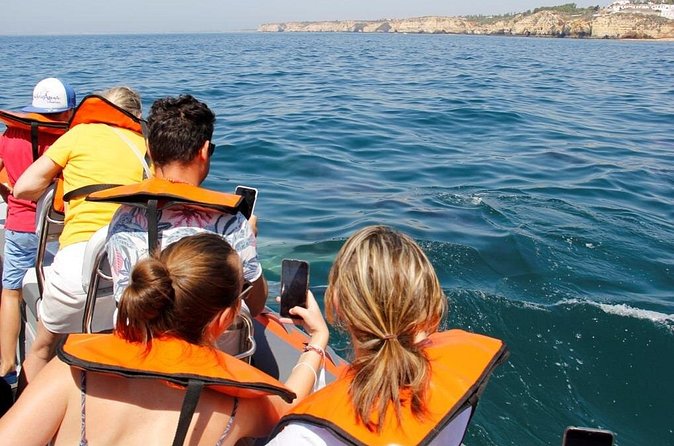
Here’s the honest photo advice you can take with you: plan for quick moments, not long filming sessions.
One review described the challenge in plain terms: you have to look everywhere because dolphins can appear from different spots, and getting a photo becomes a race against time. Another positive comment said the team waited until dolphins were spotted, which suggests the crew is willing to prioritize actual sighting time over strict clock-following.
Still, a sighting might be short. That same mixed review said they saw about five dolphins for roughly two minutes, then moved on. After that, the boat spent 1 hour 15 minutes in open sea without further sightings.
So if you’re coming for photos, do this:
- Keep your camera ready before dolphins appear.
- Expect fast changes in position.
- Don’t assume you’ll get repeated passes in the same exact area.
If you treat the cruise like a wildlife hunt, you’ll get more out of it. If you treat it like a guaranteed dolphin parade, you’ll feel let down faster.
Comfort, Motion, and Fitness: Who This RIB Trip Fits Best
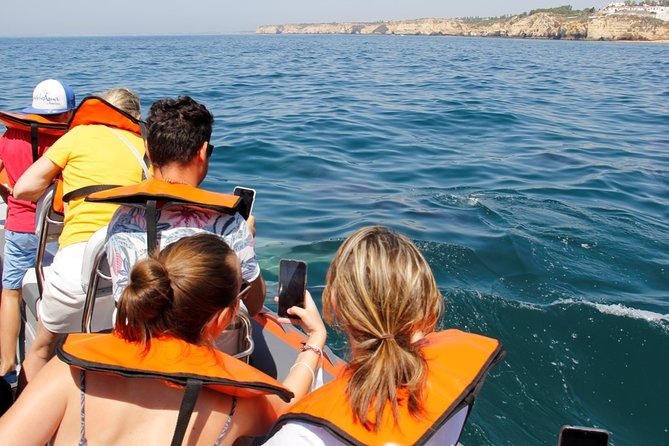
The tour calls for moderate physical fitness. That’s a fair note. Even if you’re not doing hiking, you’re getting onto a boat, balancing while scanning the sea, and spending time in motion on the water.
The RIB format can be more stable than you’d expect, but it’s still a working boat at sea. One review called the speedboat ride a little scary, which fits the reality that a RIB can feel like you’re moving fast over waves.
Also, this isn’t recommended for children under 4 years old. If you’re traveling with kids, this matters. Younger toddlers aren’t going to enjoy the attention and the motion, and the tour isn’t marketed for that age group.
Group size is capped at 18 travelers, which you’ll feel as a calmer deck environment compared to bigger boats. You’re still in the same search zone, but you’re not fighting for space.
Weather-Dependent Seas: Planning for What You Can’t Control
This experience requires good weather. That’s not small print. On the water, weather controls everything: how comfortable the ride is, how safe offshore travel is, and whether the operator can run the itinerary at all.
If it’s canceled because of poor weather, you’ll be offered a different date or a full refund. The good part for your planning is that you’re not stuck with a non-refundable gamble.
Also, there’s a minimum number of travelers requirement. If that minimum isn’t met, the operator will offer another date/experience or a full refund.
So you should book with a mindset of flexibility. If you’re there for one day only, you’ll want to check the weather before you lock in expectations.
Value for Money: What You’re Really Paying For
There’s no way to put a price tag on wildlife sightings. But you can still judge value.
Here’s what you’re buying:
- a RIB boat built to get you offshore,
- a guide-led search for dolphins and whales,
- time on the Atlantic in a compact 1.5-hour window.
So the value is strongest when you enjoy the hunt and can appreciate the unpredictability. When dolphins show up, they can feel special and lively, which matches the tour’s dolphin emphasis on intelligence and playfulness.
The weaker value scenario is when sightings are short and the cruise time is still long afterward. That mixed review experience is a reminder that sometimes you catch only a quick moment of action, then have to keep scanning while the guide searches elsewhere.
The way to protect yourself is to align your expectations with the ocean. This isn’t a zoo. If you’re comfortable with that, the tour can be great value for your time in Lagos.
Should You Book This Dolphin and Whale Watching Tour in Lagos?
I’d book it if you:
- want a RIB-based offshore experience in Lagos,
- like the idea of a guide-led search rather than a sightseeing drift,
- are happy to treat wildlife as a hit-or-miss adventure,
- can enjoy scanning the water without needing a guaranteed long dolphin encounter.
I’d skip it or think twice if you:
- need a long, predictable viewing window,
- are traveling with very young children (it’s not recommended under 4),
- expect calm, slow motion (some people find RIB motion intense),
- can’t handle the idea that dolphins may show up briefly and then move on.
If you’re the type who likes being outside, watching the horizon, and reacting fast when nature shows off, this Lagos cruise is a very solid choice. Just go in with the right mindset: watch everywhere, stay ready, and let the ocean set the tempo.
FAQ
How long is the dolphin and whale watching tour?
It lasts about 1 hour 30 minutes.
What time does the tour start?
The start time is 11:30 am.
Where do I meet the tour?
You meet at Passeio dos Descobrimentos 10, 8600-315 Lagos, Portugal.
Is the tour offered in English?
Yes, the tour is offered in English.
Is a mobile ticket provided?
Yes, the tour uses a mobile ticket.
Is this tour suitable for children?
It’s not recommended for children under 4 years old.
What happens if weather is poor?
The experience requires good weather. If it’s canceled due to poor weather, you’ll be offered a different date or a full refund.
More Tour Reviews in Lagos
More Dolphin Watching Safaris off Lagos
More Lagos Boat & Kayak Outings in Lagos

Not quite it? Here is more to do along the Lagos coast that we have reviewed






Lagos Boat & Kayak Trips, compared.
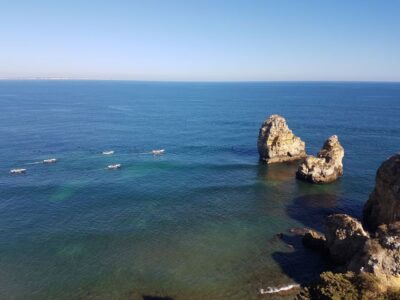 ★ 4.9From Lagos: Boat Cruise to Ponta da PiedadeFrom $213,346 reviews
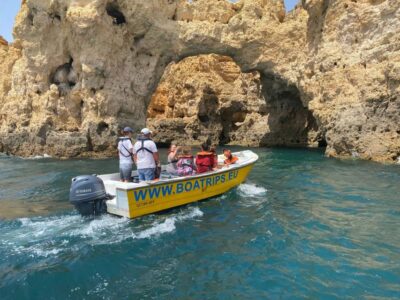 ★ 4.8Lagos: Boat Cruise to Ponta da PiedadeFrom $202,645 reviews
 ★ 4.7Lagos: Combo Dolphin and Benagil Tour with Marine BiologistFrom $632,352 reviews
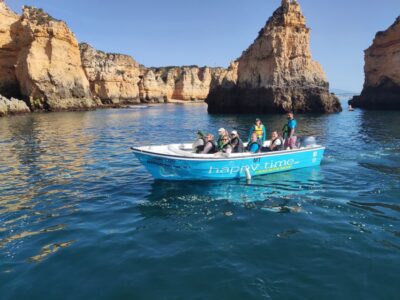 ★ 4.9Lagos: Ponta da Piedade Rock Formations Guided Boat TourFrom $202,290 reviews
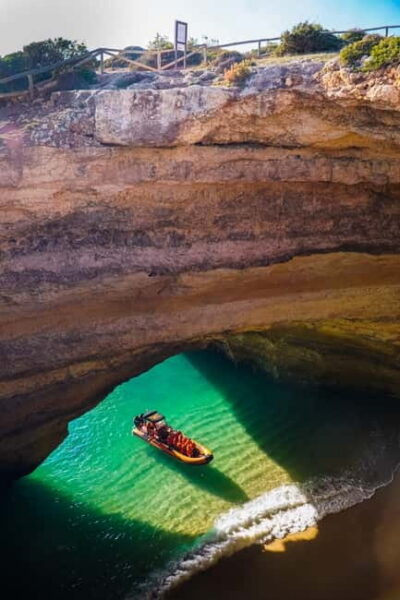 ★ 4.7From Lagos: Benagil Caves Speedboat AdventureFrom $382,211 reviews
 ★ 4.8From Lagos: Kayaking and Boat Cave Explorer TourFrom $411,988 reviews
 ★ 4.8Lagos: Guided Kayak TourFrom $401,639 reviews
 ★ 4.9Lagos: Dolphins & Caves – CatamaranFrom $581,512 reviews
Browse the lists this tour appears in