
Reviewed · RIA FORMOSA LAGOON CRUISES
From Faro: 2-Hour Guided Bird Watching Boat Trip
Birds in the sky, birds at your feet.
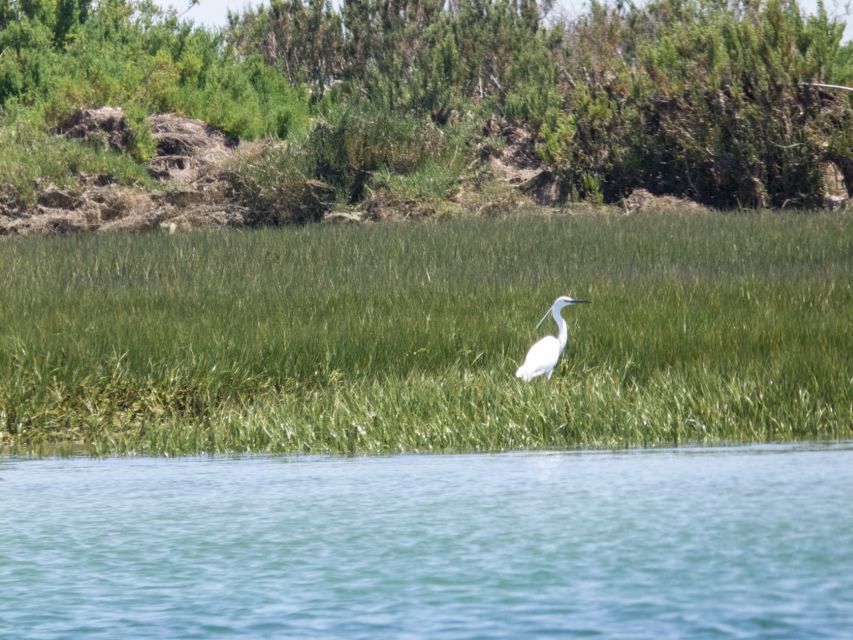
This 2-hour boat trip through the Ria Formosa Natural Park is one of the easier ways to understand why this area was named one of Portugal’s 7 Natural Wonders. I like that the guide turns a casual cruise into real bird time—pointing out species like White Stork, Little Egret, and Spoonbill—and I also like the practical touch of having binoculars on board so you can actually see details, not just shapes. The one thing to consider is that timing and even what you see can shift with weather and tides, and the exact bird commentary depth may vary if the group runs in a smaller format.
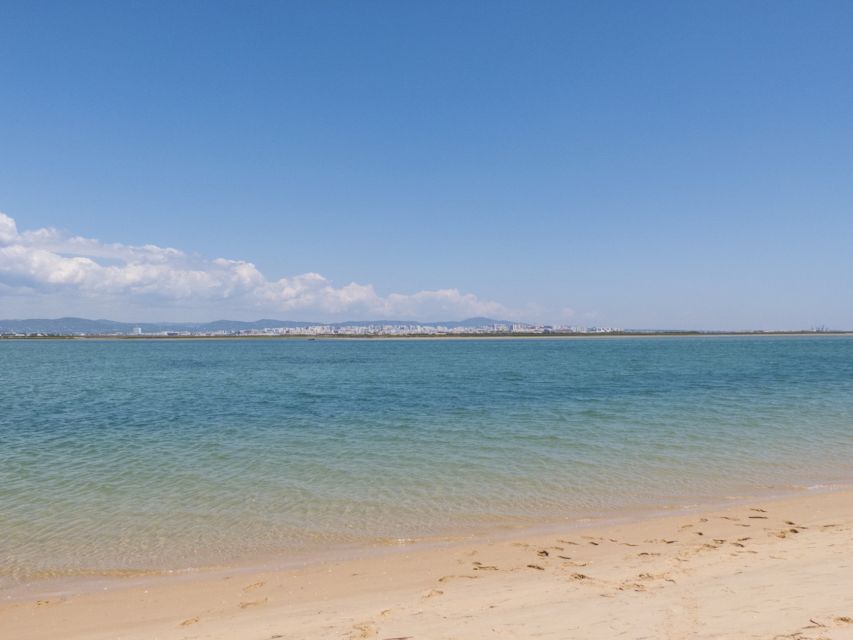
If you’re in Faro and want nature that feels close to how locals experience it, this trip is a solid pick. You’ll glide through channels, pass working oyster and clams farms, and get a calm little pause on a deserted beach right where the lagoon meets the sea. One possible drawback: if you need lots of direct back-and-forth or very structured identification all the time, ask the guide about how they handle smaller groups before you go.
In This Review
- Key points to know before you go
- Why the Ria Formosa is such a great bird spot
- From Formosamar in Faro: what the start feels like
- The first cruise segment: Parque Natural da Ria Formosa and your first sightings
- Oyster and clam farms: why working landscapes matter
- The lagoon-meets-sea beach stop: calm, quiet, and surprisingly memorable
- On the way back to Faro: more channels, more chances
- What’s included (and why it makes the trip better value)
- What to wear and bring for comfortable birding
- Languages and how the guide experience can differ
- Price and who should book this bird-watching boat
- Should you book the Faro Ria Formosa bird-watching boat trip?
- FAQ
- How long is the bird-watching boat trip?
- How much does it cost?
- Where do I meet for the tour?
- Is the boat tour wheelchair accessible?
- What birds might I see on the tour?
- Does the tour include binoculars and safety equipment?
- Are food and drinks included?
- What happens if the tour time or route changes due to weather or tides?
Key points to know before you go
- Binoculars and live commentary onboard so you’re not just guessing what you’re seeing
- Ria Formosa bird highlights include species like storks, egrets, spoonbills, and winter waders
- Working farms on the route (oysters and clams) show how nature and local livelihood overlap
- A short deserted-beach stop (about 15–20 minutes) at the lagoon–sea meeting point
- Seasonal variety is real: waders often peak in winter, while other species show up depending on timing
- Multiple languages (Spanish, English, French, Portuguese) for the onboard guide
Why the Ria Formosa is such a great bird spot
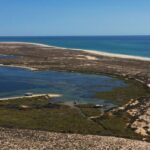
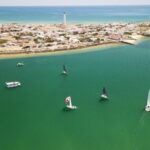
The Ria Formosa is a protected coastal wetland system, and it shows. From the boat, you’re not only looking up at birds—you’re also reading the water, the mudflats, the salt marsh edges, and the farmed areas where food sources gather.
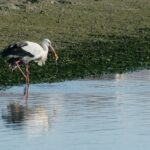
This matters because birdwatching gets way better when you understand habitat. On this trip, you’re taught what to watch for and where to watch for it. The guide points out common species you can realistically expect—like White Stork, Little Egret, and Spoonbill—and explains how patterns change across seasons.
A big plus here is the focus on aquatic birds. This wetland is described as one of Portugal’s most important areas for aquatic birds, and the tour leans into that. That means you’re not bouncing around hoping for sightings—you’re cruising through a system that supports steady bird life.
See more Ria Formosa lagoon cruises and island-hopping trips across Algarve.
From Formosamar in Faro: what the start feels like
You meet at Formosamar / Boat Tours Passeios na Ria Formosa, specifically at the partner office at the shop Boat Tours Store, located on the ground floor of the building of Ginásio Clube Naval de Faro (Nautical Club of Faro). Aim to check in 10 minutes before departure. It’s a small detail, but it prevents that last-minute scramble that ruins the first 10 minutes of your trip.
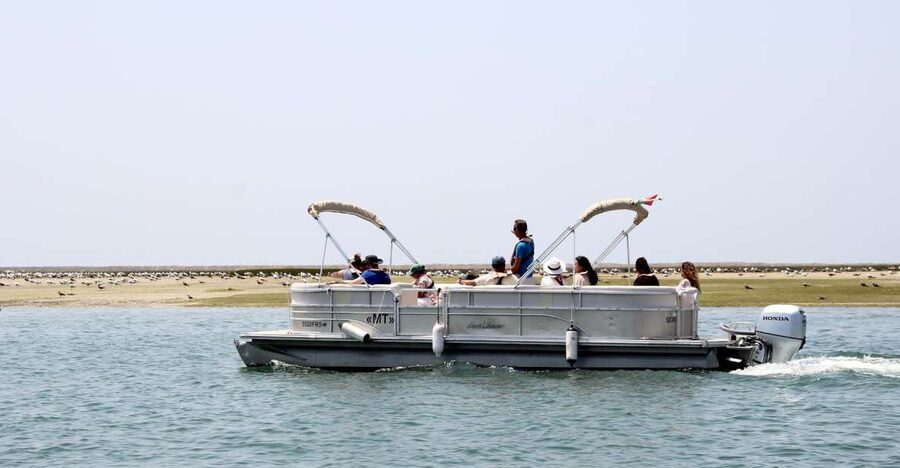
The boat tour itself is built for comfort and safety. You get life vests, and you also have binoculars included, which is a big deal. Many bird tours make you bring your own gear or stand there squinting at distance. Here, you’re set up to look closely.
The onboard commentary is live, and you can choose among languages including English, Spanish, French, and Portuguese. If you’re trying to learn bird names and habits (not just collect photos), this helps a lot.
Wheelchair access is also part of the setup, so the operator is structured for accessibility. If you have mobility considerations, this is one of those trips worth prioritizing over the more rugged alternatives.
The first cruise segment: Parque Natural da Ria Formosa and your first sightings
Once you’re underway, the tour shifts from “pretty water” to “okay, watch that edge.” This is where the guide’s role becomes clear.
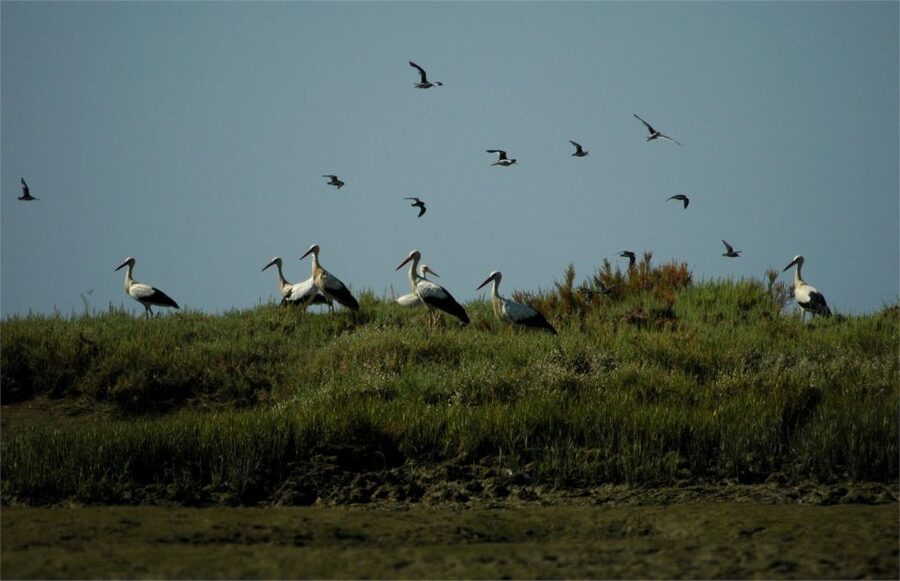
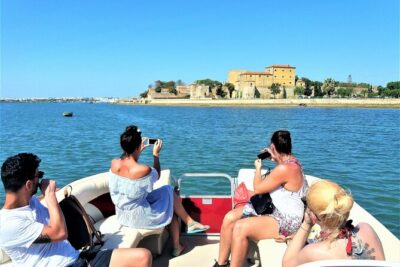
You cruise through the Parque Natural da Ria Formosa, with scenic views along the way and a safety briefing before you really start looking. Then it’s wildlife time: you’re watching for waders and other waterbirds using the channels and wetland margins.
The tour description gives you a useful expectation:
- Winter is strong for waders (more of them, more feeding action)
- Some birds are more consistent across seasons, such as Whimbrel, Turnstone, and Grey Plover
That’s the key: you’re not only waiting for rare birds. You’re learning how to spot the “regulars” that keep showing up, which is how you end up having a meaningful birding experience even if the weather isn’t perfect.
And yes, the bird list isn’t just theory. In practice, people come away saying the guide was especially helpful and that they saw lots of different species. One specific name you may hear is Piedro, praised in at least one account for being a friendly, upbeat guide with strong bird focus.
Oyster and clam farms: why working landscapes matter
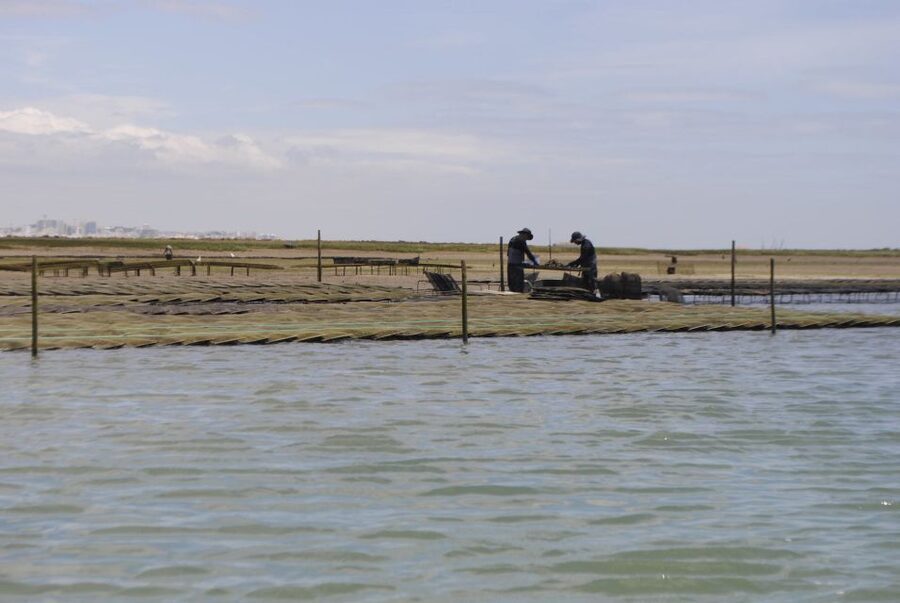
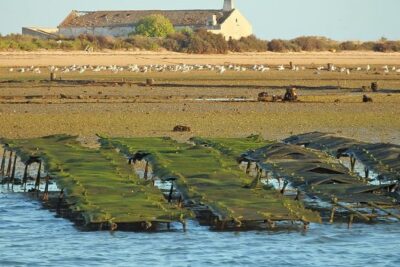
Half the fun of this boat trip is that you don’t cruise through an abstract postcard. You pass through areas tied to local production—specifically oyster and clams farms. That changes the feel of the outing in a good way.
Birds love food sources, and farmed shellfish areas can create concentrated feeding opportunities. You’ll see the route moving toward the islands within the Natural Park while the tour explains why this region’s economy matters and how that intersects with wildlife.
This is also where you may notice a shift in bird species. The description calls out birds such as black-tailed godwit and oystercatcher among the possible sightings. Those names are helpful because they signal the kind of habitat you’re looking at: birds that often feed along shorelines and intertidal zones.
If you like nature-with-a-purpose (not just nature-as-a-theme), this segment hits the sweet spot. It’s not just bird spotting. It’s learning how the coastal system works.
The lagoon-meets-sea beach stop: calm, quiet, and surprisingly memorable

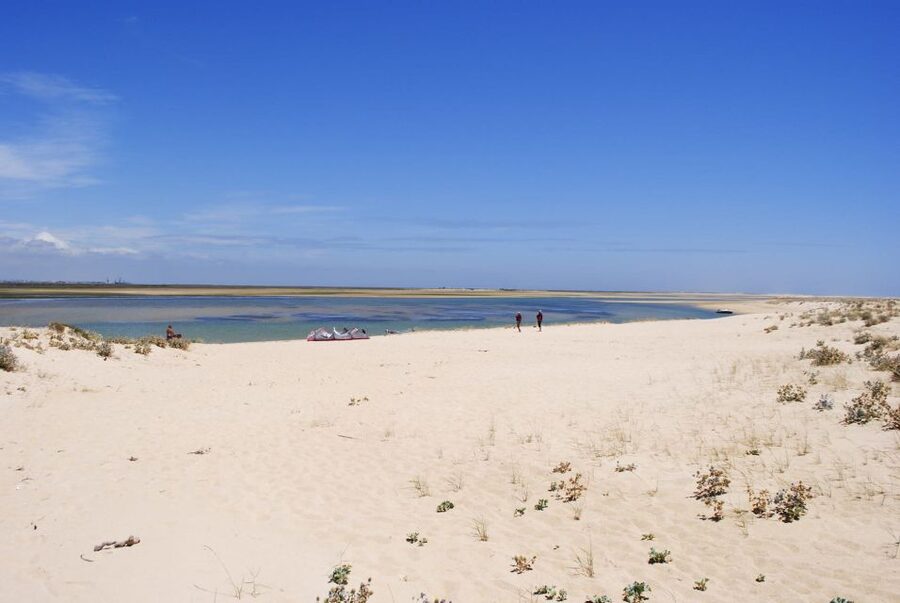
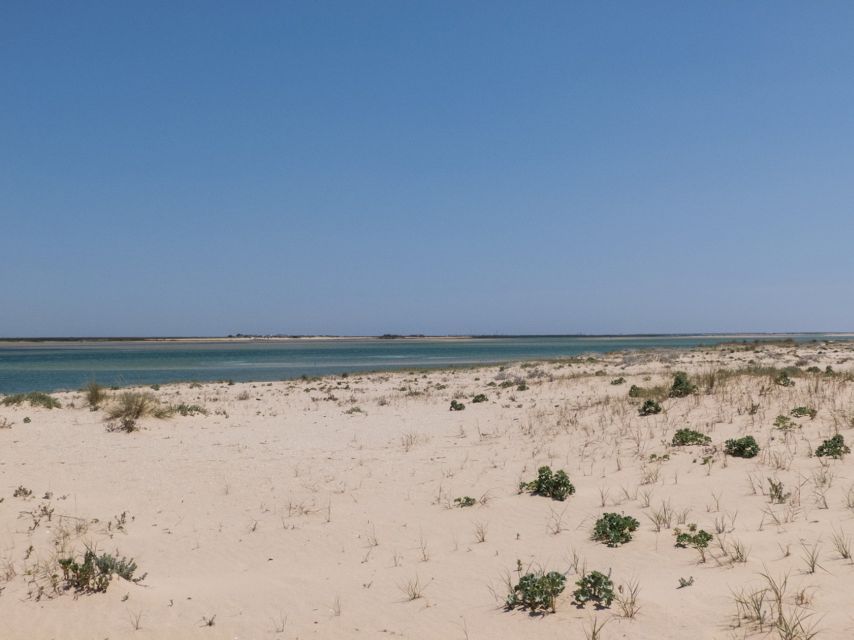
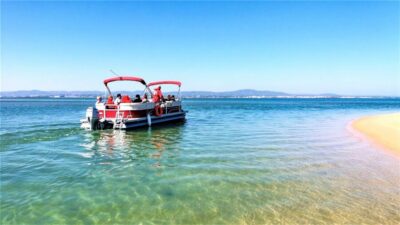
Then comes a short pause—about 15 to 20 minutes—at a deserted beach near where the lagoon meets the sea. This is included, so you’re not buying an extra “land add-on” to get a break from the boat.
Why it works: it gives your eyes a reset. On the water, you’re scanning constantly—birds, shorelines, movement in the water. A beach stop lets you breathe, look around from a different angle, and often see how the bird activity shifts between lagoon edges and open sea influence.
You can use this time for simple things: take in the quiet, watch for birds landing, and do a quick binocular scan without the boat moving under you. One review even highlighted how this short beach stop felt like part of the experience instead of a rushed interruption.
Practical note: bring waterproof layers if you’re going in autumn or winter, since coastal conditions can change quickly.
See more boat trips and cruises casting off around Algarve.
On the way back to Faro: more channels, more chances
After the beach stop, the cruise turns back toward Faro. This return leg is usually where you catch additional species while the boat sails calmly through the park’s channels.
The tour description emphasizes that there are more opportunities to observe other birds on the way back. That makes sense because animal activity is always shifting—one side of the channel might have feeding birds while another holds them at rest.
In wintertime, the guide may show you birds such as sandwich tern and greater flamingo. Even when you don’t get flamingos, you’re likely still seeing plenty of other species depending on seasonal conditions.
I also like the pacing here: it doesn’t feel like you’re being herded through a checklist. It’s more like a guided walk, except you’re doing it on water.
One more consideration from real-world experience: schedules can change with weather, tides, and other security-related conditions beyond control, and the species you see can vary by period of the year. If you’re visiting in shoulder season, your best strategy is to go flexible and focus on what you can control: bring the right gear and stay alert.
What’s included (and why it makes the trip better value)
At $47 per person for a 2-hour guided outing, the best value isn’t just the boat ride. It’s what’s bundled inside the time.
Included:
- The 2-hour boat trip with the 15–20 minute beach stop
- Local guide with live commentary
- Binoculars
- Life vests
Not included:
- Hotel pickup/drop-off
- Transportation to/from the area
- Food and drinks
- Any extras
Why that matters for your wallet: you’re paying for guided nature plus viewing tools. Binoculars alone often cost you extra if you have to rent. And the live guide is the difference between seeing birds as random dots and actually understanding what you’re looking at.
Also, the time is short enough to fit into a day in Faro without turning your afternoon into a whole production.
What to wear and bring for comfortable birding
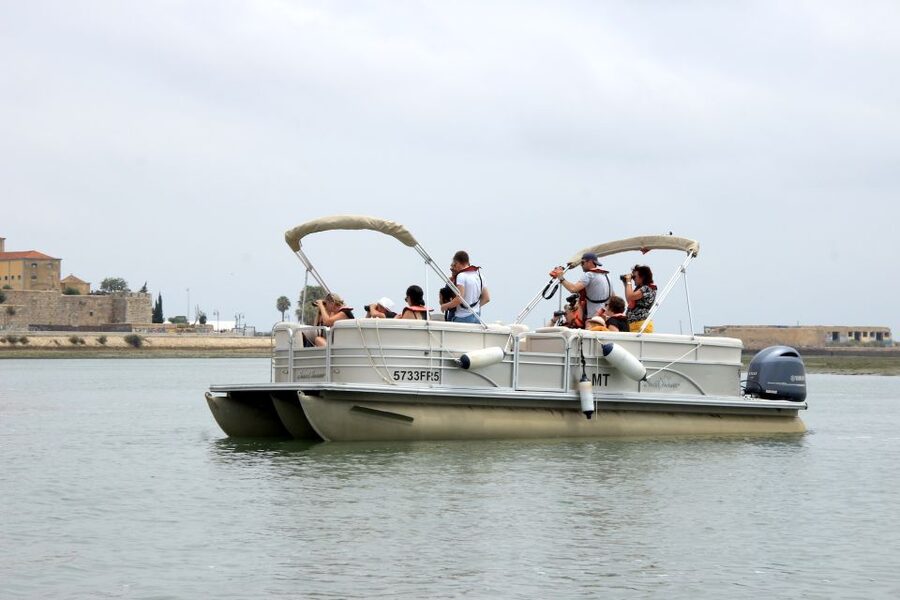
This is a coastal boat tour, so dress like you expect wind and water spray. The operator recommends:
- Comfortable clothing and footwear
- Hat and sunscreen in spring and summer
- Waterproof clothing in autumn and winter
- Water
My practical take: even if the forecast looks friendly, bring a light waterproof layer. Boats change the temperature fast. If you’re the type who gets cold easily, also wear layers so you can adjust without stopping the tour.
And if you care about bird photos, protect your camera from spray—without going overboard. A simple rain cover is often enough.
Languages and how the guide experience can differ
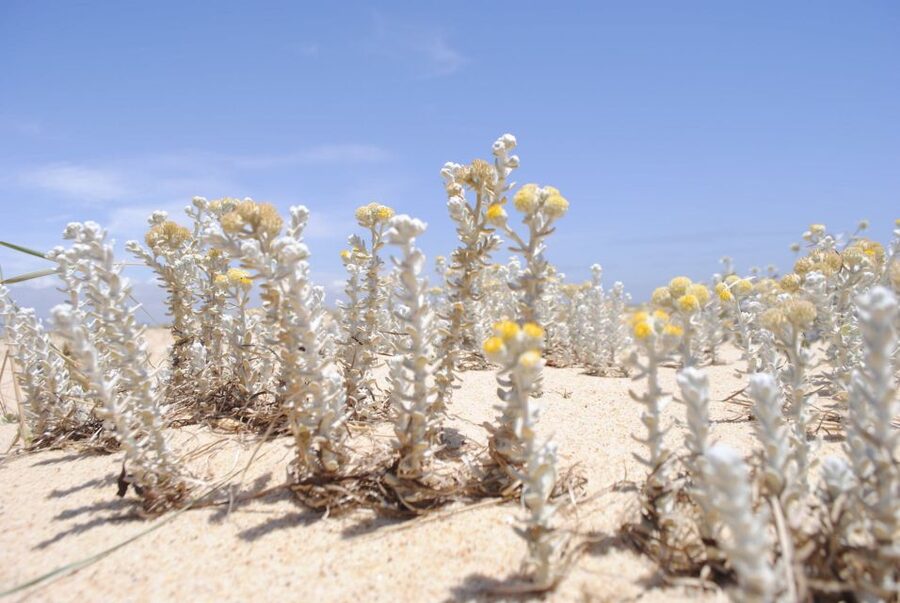
This trip runs with live interpretation in Spanish, English, French, and Portuguese, which is great if you want your bird ID explained in a language you actually use.
In one positive account, the guide (named Piedro) was praised for being friendly and for having a great bird-focused approach. That kind of attitude matters because birding can be slow, and a good guide keeps you motivated without rushing you.
Now the balanced part: in at least one account, a short-noticed change led to a shorter 1-hour tour instead of the full 2 hours, and the guide’s identification details weren’t as thorough as expected. That’s not something you can plan for perfectly, but it is a reminder to ask about what happens if the tour needs to run in a smaller or adjusted format.
If you want extra interaction or very structured identification, say so before departure. Ask a simple question like: How do you handle bird names and identification on short departures?
Price and who should book this bird-watching boat
For two hours with live commentary, included binoculars, and a beach stop, this is reasonably priced for a guided eco-boat experience.
I’d especially recommend it if:
- You’re new to birdwatching and want a guide to teach you what matters
- You want a nature experience that’s not physically intense
- You’re visiting Faro and want a full wildlife outing without a full-day commitment
- You travel in a group where you want everyone to feel included (the languages and binoculars help)
If you’re extremely sensitive to changes in schedule and you have a fixed itinerary, build in flexibility. Weather and tides really do matter on coastal systems.
Should you book the Faro Ria Formosa bird-watching boat trip?
I think you should book it if you want a straightforward, guided way to see real birds in a real wetland—and you like the idea of learning as you go, not just snapping photos from a deck.
Skip or reconsider if you’re only interested in a very specific set of birds and you’re visiting during a time when conditions might limit sightings. Also reconsider if you need highly interactive, constant identification in a guaranteed way; the trip is guided, but the depth can vary with how the tour runs on the day.
If you book, do it with the right mindset: you’re going out for birds plus habitat—the oyster and clams farms, the waders, the winter variety, and that quiet beach stop where the lagoon meets the sea.
FAQ
How long is the bird-watching boat trip?
It lasts 2 hours, and includes a 15 to 20-minute stop at a deserted beach.
How much does it cost?
The price is listed as $47 per person.
Where do I meet for the tour?
You meet at the partner office at Boat Tours Store, on the ground floor of the building of Ginásio Clube Naval de Faro (Nautical Club of Faro), in Faro.
Is the boat tour wheelchair accessible?
Yes, the tour is listed as wheelchair accessible.
What birds might I see on the tour?
The tour description includes birds such as White Stork, Little Egret, Spoonbill, Whimbrel, Turnstone, Grey Plover, and in winter sandwich tern and greater flamingo. The species can change depending on the period of the year.
Does the tour include binoculars and safety equipment?
Yes. The tour includes binoculars and life vests.
Are food and drinks included?
No. Food and drinks are not included.
What happens if the tour time or route changes due to weather or tides?
The tour notes that departure/arrival schedules, duration, and itineraries can change due to weather conditions, tides, or other circumstances beyond control. Species seen may also change by season.
More Boat Trips & Sea Cruises in Algarve
More Tour Reviews in Algarve
More Ria Formosa Lagoon Trips in Algarve
Not quite it? Here is more to do along the Algarve coast that we have reviewed






Ria Formosa Lagoon Cruises, compared.
 ★ 5.04 Stops | 3 Islands & Ria Formosa Natural Park – From FaroFrom $483,080 reviews
 ★ 4.8Faro: Ria Formosa Faro Islands Boat TourFrom $472,588 reviews
 ★ 5.0Ria Formosa – Boat trip to the 3 Islands: Armona | Culatra Island | LighthouseFrom $481,872 reviews
 ★ 5.0Ria Formosa Natural Park and Islands Boat Cruise from FaroFrom $511,314 reviews
 ★ 4.6From Faro: 4 Stops, 3 Islands in Ria Formosa Catamaran TourFrom $471,129 reviews
 ★ 5.02 Stop | 2 Islands & Ria Formosa Natural Park – From FaroFrom $421,045 reviews
 ★ 4.8From Olhão: Ria Formosa 3-Island Full-Day TourFrom $45993 reviews
 ★ 4.6Faro: Deserta Island and Farol Island Catamaran Boat TripFrom $47955 reviews
Browse the lists this tour appears in