
Reviewed · WORKSHOPS
Pastel de Nata Baking Class – Portugal’s Famous Custard Tart
Custard tarts in Lagos are the fast way to feel Portuguese. This Pastel de Nata baking class has a tight, fun 2-hour flow, and it focuses on the steps that make the iconic custard tart what it is. I especially like how the session is taught in plain, repeatable technique, and how the kitchen vibe stays relaxed and social with Joana and the team keeping things moving. One consideration: you may not roll or cut every part of the pastry case from scratch, since some components can be pre-prepared to save time.
The payoff is practical: you leave with warm, freshly baked Pastéis de Nata to eat right there, plus an emailed PDF recipe so you can recreate it later. It’s also a great small-group activity in Lagos, with a max of 10 people, so you’re not stuck watching from the back row.
In This Review
- Key Highlights I’d Plan Around
- A Lagos Kitchen Class Focused on Pastéis de Nata
- Where You Meet in Lagos (and Why Location Matters)
- What Happens in the 2 Hours: From Custard to Baked Tarts
- 1) Getting Started and Learning the Tart Logic
- 2) Making the Creamy Custard
- 3) Preparing the Puff Pastry Component
- 4) Combining Custard and Pastry
- 5) Baking and Waiting for That Final Transformation
- Custard, Pastry, and the Real Reason This Class Works
- The One Thing to Know About the Pastry Case
- Fresh Tarts to Eat, Plus an Easy Take-Home Win
- Joana and the Kitchen Team: What the Instruction Feels Like
- Who This Class Suits Best in the Algarve
- Price and Value: Is $78.44 Worth It?
- Should You Book This Pastel de Nata Class?
- FAQ
- FAQ
- How long is the Pastel de Nata baking class in Lagos?
- Where does the class start and end?
- What is the price per person?
- Is the class offered in English?
- How many people are in each class?
- What do I make and eat during the class?
- Do I receive a recipe after the class?
- Can I take pastries home?
- What’s the cancellation policy?
- Is the location near public transportation, and are service animals allowed?
Key Highlights I’d Plan Around
- Small group, hands-on pace: max 10 travelers keeps attention on you, not the clock.
- Made in steps, not guesswork: custard, pastry prep, combining, then baking.
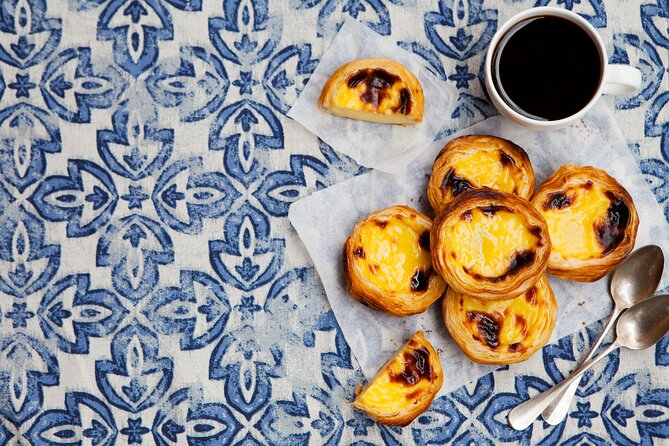
- You eat what you bake: you’ll enjoy the Pastéis de Nata fresh from the oven.
- English-speaking instruction: offered in English, with an approachable teaching style.
- Recipe support after class: you receive a PDF by email to try again at home.
A Lagos Kitchen Class Focused on Pastéis de Nata
If you like Portugal for real food rituals, this class is a smart pick. Pastéis de Nata aren’t just dessert here; they’re part of daily life and local pride. In Lagos, you get the experience without feeling like you’re booking a factory tour. Instead, it’s a cooking class built around the “how” behind the classic custard tart.
I like that the learning goal is clear. You’re taught the main components that matter: the creamy custard, the puff pastry element, how to combine them properly, and how to bake for that signature texture. That structure is what makes this worth your time, even if you’ve never baked before.
Also, the teaching team leans into fun. Joana is described as engaging and entertaining, and the kitchen atmosphere comes across as welcoming rather than stiff. That matters because Pastéis de Nata can sound intimidating until someone makes the steps feel doable.
Find more hands-on cooking classes and market-to-table sessions in Lagos.


Where You Meet in Lagos (and Why Location Matters)
You start at Rua Lucinda Anino dos Santos F, 8600-722 Lagos, Portugal, and the activity ends back at the meeting point. That “back where you began” format is useful in practical travel terms: you won’t waste your evening crossing town after the class.
The meeting spot is also described as near public transportation, so you’re not forced into a taxi plan. And because you get a mobile ticket, you don’t need to print anything or hunt down paperwork on your phone.
One more small benefit: Lagos is a compact base for the Algarve. If you’re packing your days with beaches, boat rides, or history in town, a 2-hour class is easy to slot in.
What Happens in the 2 Hours: From Custard to Baked Tarts
This class runs about 2 hours, and it’s built like a cooking timeline. You won’t just stand around waiting. You’ll work through the process in sequence so you understand what each step affects.
Here’s how the experience feels in practice:
1) Getting Started and Learning the Tart Logic
You begin by being guided through the overall process and the key techniques. The important idea is that Pastéis de Nata are texture-driven. Custard consistency, pastry layering, and oven time all impact the final bite.
Joana and the team explain what you’re aiming for as you go, and you can ask questions as you cook. Many people highlight the quality of tuition and the way the instructors keep things clear.
2) Making the Creamy Custard
The custard is the heart of the tart. You’ll learn how to prepare it so it bakes into a creamy center rather than a flat or watery filling.
This is where a first-time baker benefits from guidance. You don’t have to be a pastry person. The class is designed so you learn the method: how the mixture is handled, how it’s combined, and what to expect as it heats.
A few more Lagos trips and experiences worth a spot on the list



3) Preparing the Puff Pastry Component
You also learn how to prepare the pastry part. Pastéis de Nata famously use a puff pastry style base, and the class focuses on assembling the tart correctly rather than making you do every step of dough production.
That time-saving approach shows up in at least one review where the pastry case wasn’t fully made by each participant. For many people, that’s a non-issue because it keeps the class on schedule and still lets you learn the most important part: the custard and assembly.
4) Combining Custard and Pastry
Next comes the assembly stage. You’re taught how to put the custard into the pastry and how to handle the tart setup so the end result bakes well.
This is also a good stage for learning. If you’ve ever wondered why one tart comes out with a better texture than another, assembly technique is usually part of the answer.
5) Baking and Waiting for That Final Transformation
Then your tarts go in the oven. While baking happens, the class keeps you engaged. One review specifically mentions games while you wait, and that’s exactly what you want in a short class: downtime that doesn’t turn into boredom.
When the pastries are ready, you get to enjoy them right away.
Custard, Pastry, and the Real Reason This Class Works
A lot of cooking classes teach recipes that taste good but don’t explain why they work. This one is more practical than that. You learn four distinct skills: custard, pastry prep, combining, and baking. That sequence maps to the real logic behind Pastéis de Nata.
If you’ve never baked custard tarts before, this is what you’ll gain:
- Custard isn’t just a filling; it’s a structure. Learn how it should look and behave so it bakes properly.
- Puff pastry isn’t just a base; it’s responsible for the tart’s texture. Getting the right approach to the pastry part helps your final tart.
- Baking is not a guess. You see how the tart transforms, and that teaches you what timing and heat do to your custard.
And since it’s small-group, you can get help if something doesn’t look right. That’s a big deal when you’re doing dessert that depends on heat and timing.
The One Thing to Know About the Pastry Case
Here’s the only potential snag I’d flag: you might not make the entire pastry case from scratch during your class time.
One feedback point explained that some pastry elements are already made by previous participants, then reused as part of a sustainable approach. The reason given was practical waste reduction, not a rushed shortcut. They also argued that it lets each person focus on the key steps—custard and filling/assembly—without turning the class into an all-day dough marathon.
So, if your dream is to be hands-on with every single pastry dough step, set expectations. But if your goal is to understand how to produce Pastéis de Nata that taste correct and to get a replicable method, the class still hits the mark.
Fresh Tarts to Eat, Plus an Easy Take-Home Win
At the end of the class, you eat the Pastéis de Nata that were cooked during the session. That’s the right finish. Baking classes can feel pointless if all you do is make food you don’t taste, but here you get immediate results.
Some people also mention getting a small pour of port wine with the tart at the end. Since that detail shows up in feedback rather than the core menu summary, I’d treat it as a nice extra that may or may not be part of your specific session.
You also get a take-home advantage that many cooking classes skip: after the experience, you receive an email with a PDF recipe. That’s the difference between a fun afternoon and something that sticks.
And yes, you may be able to take pastries away if you choose, since at least one review notes that option.
Joana and the Kitchen Team: What the Instruction Feels Like

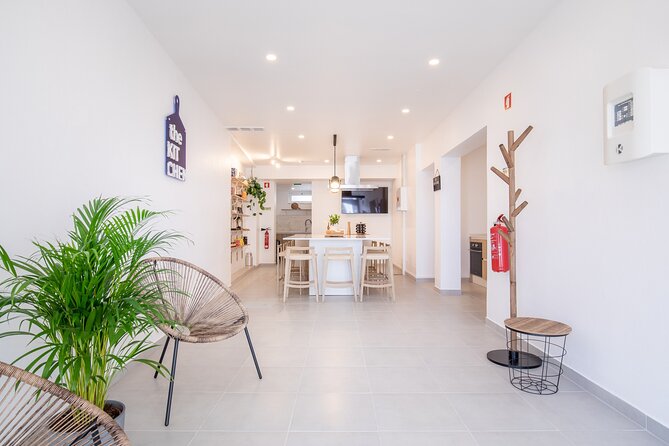
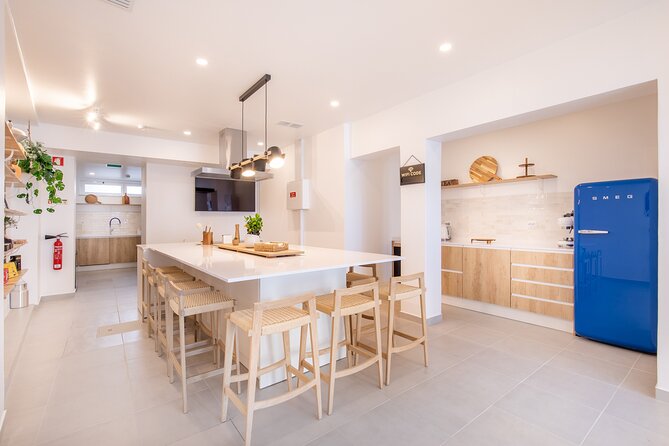
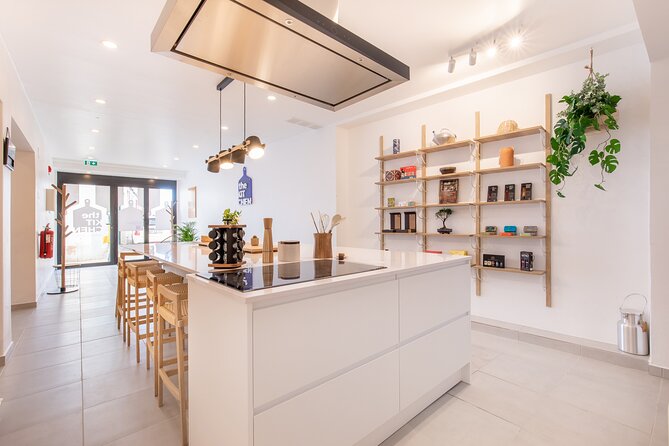
Joana’s name comes up again and again in feedback. People describe her as engaging, lively, funny, and very good at tuition. They also praise the kitchen itself—beautiful facilities, a comfortable setting, and an organized flow.
In practical terms, good instruction looks like this:
- You can follow the steps without cooking experience.
- You aren’t left to figure out proportions or timing alone.
- When something goes slightly wrong (and custard tarts can be dramatic), you still end up with something delicious.
One reviewer even joked about a few pastries escaping their pastry cases, yet they still tasted great. That tells you the class is forgiving, focused on process, and confident enough that minor mess doesn’t equal failure.
Who This Class Suits Best in the Algarve
This is one of those activities that works for a lot of travel styles.
You’ll likely enjoy it if:
- You’re in Lagos and want a focused food experience, not a long excursion.
- You like learning by doing, with step-by-step guidance in English.
- You want a small-group activity (max 10) where you can ask questions.
- You don’t have a baking background but still want a real skill you can repeat later.
It’s also a strong choice for couples and friends. One review mentions bringing friends and having a birthday candle moment—so it can feel celebratory without being formal.
Price and Value: Is $78.44 Worth It?
At $78.44 per person for about 2 hours, this class isn’t the cheapest snack-style activity in Lagos. But it’s also not a tourist trap where you pay for a ticket and get a vague demonstration.
What justifies the price is:
- All ingredients and cooking tools are included.
- You learn multiple core steps (custard, pastry handling, assembly, baking).
- You eat what you bake.
- You get a PDF recipe by email after the class.
- The group size is capped at 10, which usually means more real attention.
If you compare it to paying for pastries plus a separate “experience” somewhere else, the value shifts. You’re paying for skill-building and immediate tasting, with a documented recipe you can use later.
If you’re on a super-tight budget, you might decide it’s a splurge. But if you like food experiences and want something you can recreate, it feels like money spent where it counts.
Should You Book This Pastel de Nata Class?
Book it if you want a fun, guided way to learn the iconic custard tart and you’ll actually bake again at home. The mix of small-group teaching, clear steps, and a take-home PDF recipe makes it more than a one-off.
Skip it or temper expectations if you’re specifically chasing the idea of making every pastry component from raw dough during the class. Some pastry parts may be pre-prepared to keep the timeline realistic and to reduce waste.
If you’re visiting the Algarve and you want one afternoon that tastes like Portugal and teaches you something you can repeat, this is a very good bet.
FAQ
FAQ
How long is the Pastel de Nata baking class in Lagos?
It runs for about 2 hours (approximately).
Where does the class start and end?
The class starts at Rua Lucinda Anino dos Santos F, 8600-722 Lagos, Portugal and ends back at the same meeting point.
What is the price per person?
The price is $78.44 per person.
Is the class offered in English?
Yes, it’s offered in English.
How many people are in each class?
The class has a maximum of 10 travelers.
What do I make and eat during the class?
You learn how to make Pastéis de Nata, including the custard and the pastry elements, and you eat the freshly baked tarts at the end.
Do I receive a recipe after the class?
Yes. After the experience, you receive an email with a PDF recipe.
Can I take pastries home?
One review notes that you can take away Pastéis de Nata if you choose.
What’s the cancellation policy?
You can cancel for a full refund up to 24 hours in advance of the experience’s start time.
Is the location near public transportation, and are service animals allowed?
The activity is near public transportation, and service animals are allowed.
More Craft Workshops & Classes in Lagos



More Hands-On Cooking Classes in Lagos
More Tour Reviews in Lagos



Not quite it? Here is more to do along the Lagos coast that we have reviewed











Workshops, compared.
 ★ 4.7Albufeira: Surf LessonFrom $36699 reviews
 ★ 4.8Albufeira: 2-Hour Falesia Beach Surf LessonFrom $40464 reviews
 ★ 5.0Beginner Surf Lesson at the Beautiful Algarvian West CoastFrom $78377 reviews
 ★ 4.8Albufeira: Surfing Lesson at Galé BeachFrom $37353 reviews
 ★ 4.8Albufeira: Beginner Surf LessonFrom $40321 reviews
 ★ 4.9Lagos: Bake Pastel de Nata – Class in Lagos, AlgarveFrom $53198 reviews
 ★ 5.0Surf Lessons in AlgarveFrom $84101 reviews
 ★ 4.7Vilamoura: Surf Lesson at Falésia BeachFrom $4191 reviews
Browse the lists this tour appears in