
Reviewed · ALGARVE FOOD & TAPAS TOURS
Traditional Portuguese Cooking Class: Grandma’s Secrets & Recipes
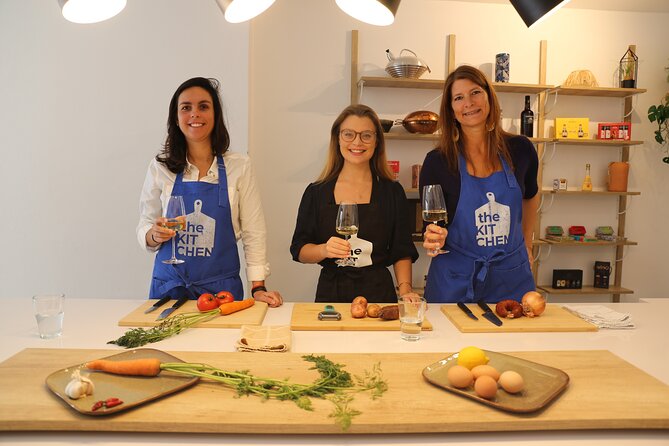
One Sunday meal, taught step by step, is the point of this class. I love the intimate group (max 8) where I’m actually cooking, not just standing by. I also like finishing with a full meal paired with Portuguese wine, plus a recipe PDF you can use at home. A consideration: the menu includes chouriço, so plan accordingly if you avoid pork.
You meet at Rua Lucinda Anino dos Santos F at 10:30 am, and the whole thing runs about 3 hours. The Kitchen runs it in English, and a mobile ticket makes check-in easy.
In This Review
- Key things I’d mark on your Lagos map
- A Sunday-style menu that feels like a family tradition
- The Kitchen in Lagos: small group, real attention
- The meeting point and timing that keep it stress-free
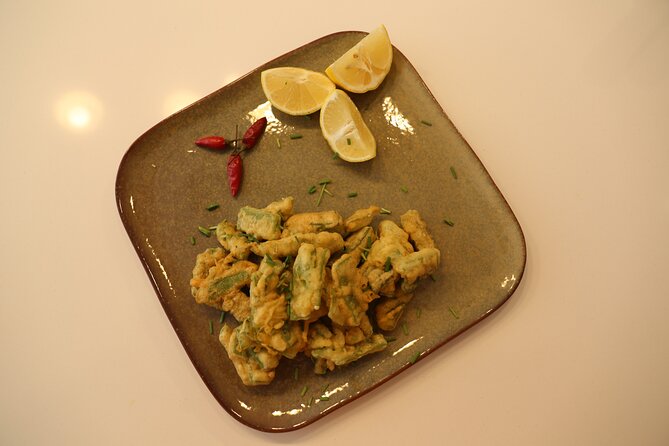
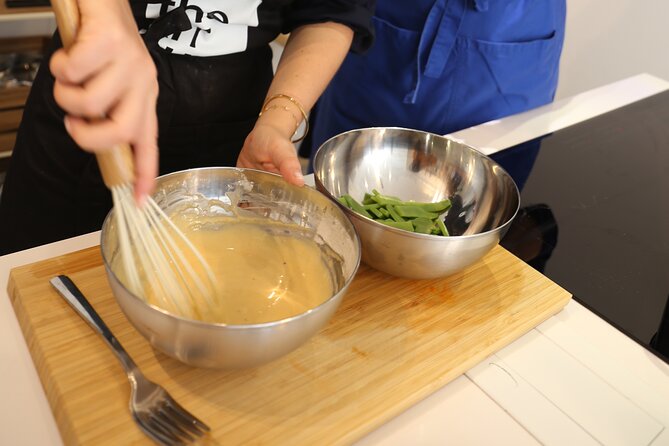
- Starter practice: Peixinhos da Horta green bean fritters
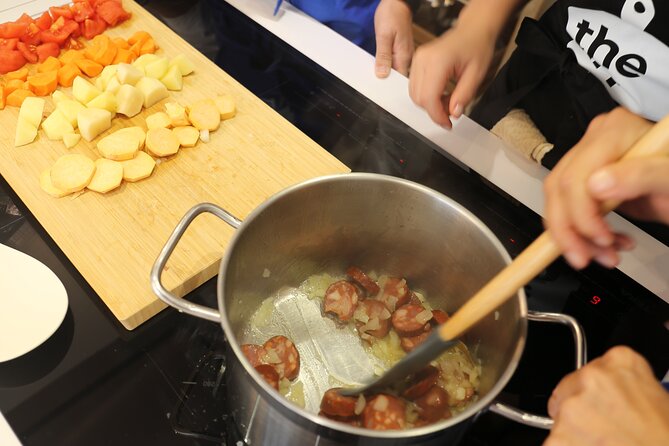
- Main course comfort: pea stew with chouriço and poached eggs
- Dessert you can actually repeat: warm Arroz Doce
- Wine pairing and digestif: the part that makes it feel like a meal
- What you really get for $119.14: the value breakdown
- Who should book this class (and who might skip it)
- Should you book Grandma’s Secrets & Recipes in Lagos?
- FAQ
- FAQ
- How long is the Portuguese cooking class in Lagos?
- What dishes are included in the class?
- Is lunch included?
- Are drinks included?
- Is transportation provided?
- Where does the class start, and what time?
- What language is the class offered in?
- How many people are in the group?
- Can I cancel and get a refund?
Key things I’d mark on your Lagos map
- Max 8 travelers for real hands-on time with the chef
- Three-course Portuguese Sunday-style menu: peixinhos da horta, pea stew with chouriço and eggs, arroz doce
- Portuguese wine and a digestif included with your meal
- Recipe PDF so you can recreate it later
- English instruction in a friendly, small setting
- Ends back at the meeting point, so you’re not stranded or hunting for a ride
A Sunday-style menu that feels like a family tradition
This class is built around the kind of food your Portuguese grandma probably made when people came over. The rhythm is simple: you start with something snacky and crispy, move into a hearty main, then finish with warm comfort as dessert.
I like that it’s not just about tasting. You’re actually making each dish in sequence, so the meal feels earned. And since the menu includes starter, main, and dessert, you get a full picture of how these dishes fit together on a real table, not just a “demo plate.”
You’ll also notice the balance in the food lineup: the starter is about texture and bite, the main is about warmth and staying power, and the dessert is about something soft and comforting. If you’re the type who likes food lessons you can repeat at home, this structure helps a lot.
Here are more food and tapas walks tasting the flavours of Lagos.



The Kitchen in Lagos: small group, real attention
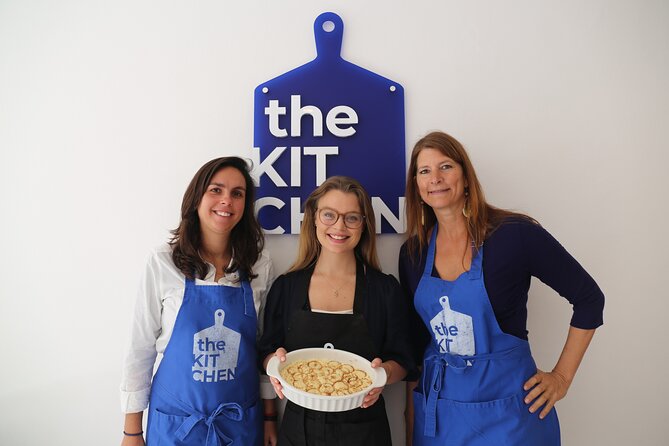
The experience is capped at 8 people, which changes everything. In bigger classes, you spend a lot of time waiting your turn or trying to read over shoulders. Here, it’s tight enough that questions actually get answered, and you don’t feel like you’re competing for space near the prep area.
The operator is The Kitchen, and the owner Joana Glória is part of the welcoming vibe. That matters, because a cooking class is still a social event. You want it to feel human, not like a factory line. I found the tone welcoming and focused on helping people participate.
Also, it’s offered in English, which makes it easier to follow along without playing food-ingredient translation games in your head. That’s a big deal if you’re traveling and your brain is already doing math on train times, menus, and prices.
The meeting point and timing that keep it stress-free
The start time is 10:30 am, and the activity wraps up back at the same meeting point. That’s practical. You can plan one block of your day around the class, eat lunch as part of it, and then go do something else without a weird end-location puzzle.
The meeting point is: Rua Lucinda Anino dos Santos F, 8600-722 Lagos, Portugal. It’s also noted as near public transportation, which is the kind of detail that saves time when you’re not sure how your walking route will feel after a morning of sightseeing.
And since you get a mobile ticket, you’re not scrambling for paper confirmations.
Starter practice: Peixinhos da Horta green bean fritters
Your first dish is Peixinhos da Horta, described as green bean fritters. In other words, you start with something crisp and iconic, which is a smart move for a class like this. It gets you cooking early, gives you instant feedback as things change in the pan, and sets the tone for the rest of the meal.
What I like about starting with a fritter-style dish is that it teaches you to watch the food. You’re not just measuring flavor with a spoon—you’re learning how the dish responds. The description highlights that it’s crispy, so you’re working toward texture, not only taste.
There’s also a social angle. Starters are the easiest thing to share and talk about while you’re learning. Even if you’re not a confident cook, you’ll probably feel more comfortable with a dish that’s clearly defined as a crispy bite.
A practical consideration: if you hate getting your hands messy, any fritter-style cooking may feel a bit more physical than you expect. For most people, that’s half the fun.
Main course comfort: pea stew with chouriço and poached eggs
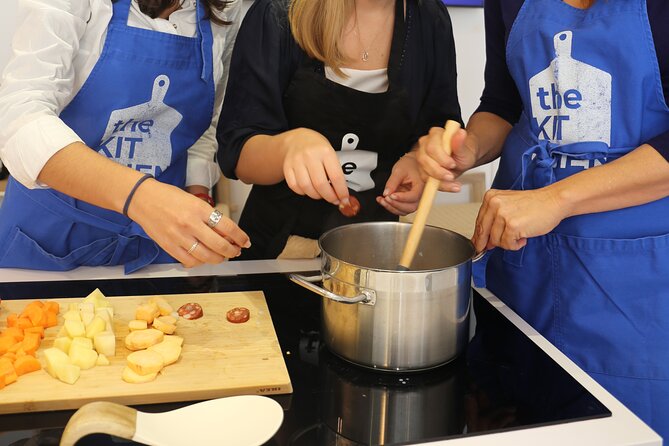
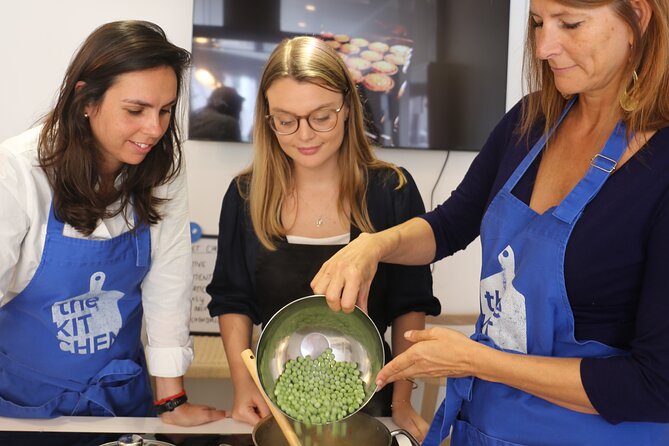
Next comes Guisado de Ervilhas com Chouriço e Ovos Escalfados—pea stew with chouriço and poached eggs. This is the heart of the meal, and the way it’s described tells you what to pay attention to: it’s about the balance of hearty flavors and simplicity.
The dish name gives you a clear mental map:
- Peas give it a gentle base.
- Chouriço adds savory depth.
- Poached eggs bring softness and richness right into the mix.
In a cooking class, the value is usually in the technique and in the taste logic. For this stew, you’re learning how a classic Portuguese main can be both filling and approachable. It’s the kind of dish that makes sense for family Sundays, but it’s also something you can make when you want home-style comfort without turning dinner into a multi-day project.
Who should feel good about this main: anyone who enjoys stews, likes the idea of eggs in their meal, and eats chouriço.
Who should double-check first: if pork is off your list, this is the one dish you’ll want to think about, since chouriço is part of the menu.
Find more hands-on cooking classes and market-to-table sessions in Lagos.


Dessert you can actually repeat: warm Arroz Doce
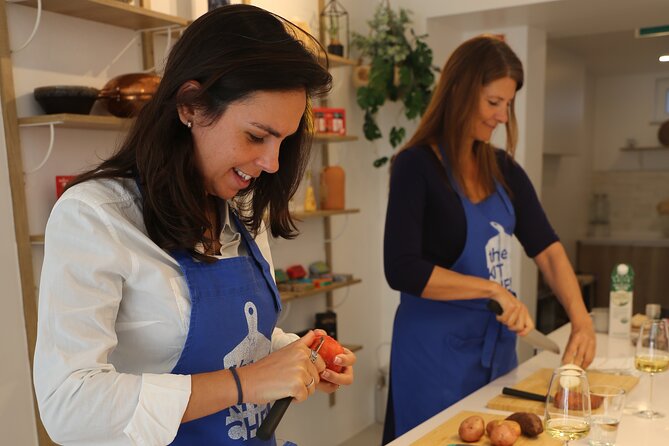
Finally, you make Arroz Doce—Portuguese rice pudding—and it’s described as warm and ready to enjoy as a comforting dessert. This is a great way to close the class because rice pudding is the type of recipe people remember. It’s also the type that feels special even if you don’t cook often.
I love end-of-class desserts like this because they’re a payoff. After handling savory dishes, your brain resets. You get to focus on the soothing, familiar part of Portuguese table culture—something sweet, warm, and meant for sharing.
This class doesn’t treat dessert as an afterthought. It’s part of the full meal arc: crisp starter, hearty main, then soft comfort.
Practical tip: if you’re traveling with a packed day, keep your appetite on standby. This ends with dessert and drinks, so it’s not a light snack situation.
Wine pairing and digestif: the part that makes it feel like a meal
You don’t just cook and leave. Once everything is ready, you sit down to eat what you made. The meal includes Portuguese wine, plus you finish with dessert and a typical digestif.
This is one of those details that turns a cooking lesson into an actual cultural experience. The flavors make more sense when you’re tasting them in the context of a proper table meal.
If you’re someone who enjoys learning through taste, the wine pairing helps you understand how Portuguese dining often works: savory, sweet, then a small digestif to close the loop. It’s also a nice pacing tool. You’ll spend less time worrying about what to do next, and more time enjoying what you just learned.
And since bottled water is included, it’s easy to stay comfortable while you drink wine.
What you really get for $119.14: the value breakdown
At $119.14 per person for about 3 hours, this class can feel either pricey or totally reasonable, depending on what you compare it to.
Here’s why the price makes sense to me:
- You’re getting a three-course meal made by you.
- Alcoholic beverages (wine and digestif) are included.
- You receive a recipe PDF, which matters because it helps you reproduce the dishes later.
- The group is small (max 8), which means you’re not watching while someone else does the work.
If you’re paying for a cooking experience, you want more than a single tasting. You want hands-on time, real food, and a take-home tool. This class ticks those boxes.
One caution on value: it’s a set menu. If you want total customization or ingredient substitutions, you’ll need to confirm what’s possible with the team before booking. Based on the information here, the class is built around the listed dishes.
Who should book this class (and who might skip it)
This is a strong fit if you:
- Want a hands-on food experience in Lagos, not a lecture.
- Like Portuguese classics and want to learn them in a structured way.
- Appreciate small-group settings where you can ask questions.
- Want something you can replicate later with the recipe PDF.
You might consider a different option if:
- You don’t eat chouriço (pork sausage), since it’s part of the main course.
- You want a totally flexible menu with ingredient swaps (this info doesn’t mention customizations).
- You’d rather do a longer multi-stop food tour than a focused 3-hour class.
Should you book Grandma’s Secrets & Recipes in Lagos?
I’d book it if your goal is to leave Lagos with more than photos. This class gives you a full Portuguese meal, taught in English, in a small max 8 group, and you get a PDF recipe to take home. That combination is exactly what makes it worth planning around.
Also, the Sunday-family concept isn’t just marketing. The structure mirrors a real meal: starter, main, dessert, then wine and a digestif. If that style of experience fits your travel taste, you’ll probably have a genuinely enjoyable time.
FAQ
FAQ
How long is the Portuguese cooking class in Lagos?
It runs for about 3 hours.
What dishes are included in the class?
You’ll prepare and eat Peixinhos da Horta (green bean fritters), Guisado de Ervilhas com Chouriço e Ovos Escalfados (pea stew with chouriço and poached eggs), and Arroz Doce (Portuguese rice pudding).
Is lunch included?
Yes. Lunch is included as part of the experience.
Are drinks included?
Yes. Alcoholic beverages and bottled water are included.
Is transportation provided?
No private transportation is included.
Where does the class start, and what time?
The class starts at Rua Lucinda Anino dos Santos F, 8600-722 Lagos, Portugal at 10:30 am, and it ends back at the meeting point.
What language is the class offered in?
It is offered in English.
How many people are in the group?
The class has a maximum of 8 travelers.
Can I cancel and get a refund?
Free cancellation is available up to 24 hours in advance for a full refund.
More Hands-On Cooking Classes in Lagos
More Tour Reviews in Lagos






More Algarve Food & Tapas Tours in Lagos


Not quite it? Here is more to do along the Lagos coast that we have reviewed












Algarve Food & Tapas Tours, compared.
 ★ 4.8Lagos: Ponta Piedade Sail & Caves Cruise w/Portuguese TapasFrom $38360 reviews
 ★ 4.8Lagos: 3-Hour Algarve Classic Food TourFrom $104284 reviews
 ★ 5.0Classic Food Tour – LagosFrom $107232 reviews
 ★ 5.0Sail, Swim & TapasFrom $42209 reviews
 ★ 4.9Faro: Old Town Guided Walking Food TourFrom $10494 reviews
 ★ 4.8Lagos/Praia da Luz: Wine Tour, Tastings, Tapas, and MusicFrom $6875 reviews
 ★ 4.9Faro City Portuguese Wine Tasting and Tapas Guided TourFrom $11147 reviews
 ★ 5.03 Hours Classic Food Tour in FaroFrom $10642 reviews
Browse the lists this tour appears in